Top 10 Pleated Formal Gowns for Every Occasion
A pleated formal gown can transform a simple entrance into a memorable moment. Its folds catch light, create movement, and add texture without requiring heavy decoration. From soft chiffon at a garden ceremony to structured satin at an evening gala, pleats offer remarkable variety. Yet, beauty alone should not guide the choice. Fabric weight, pleat direction, lining quality, and waistband placement can greatly affect comfort and silhouette.
This guide presents ten carefully considered styles for weddings, receptions, award dinners, dances, and other formal occasions. Each Pleated Formal Gown is evaluated through practical details, including drape, construction, movement, and styling flexibility. A gown should look polished while standing still, but it should also remain comfortable when walking, sitting, or greeting guests. Small details matter. Secure seams and breathable lining often matter more than dramatic embellishments.
No single design flatters every body shape or suits every venue. That is worth remembering. Some pleats may add visual volume, while narrow folds can lengthen the appearance of the body. Online photographs can also hide fabric stiffness, color changes, or awkward closures. For a more reliable decision, compare the garment measurements with your own and review trusted retailer policies. Personal experience, professional fitting advice, and honest product information can prevent disappointing purchases. The selections ahead balance elegance, practicality, and occasion-appropriate style, though individual preferences will always remain important.
Pleated Gown Anatomy: Silhouettes, Pleat Types, Fabrics, and ASTM Standards
Top 10 Pleated Formal Gowns for Every Occasion begin with structure, not decoration.
A gown’s silhouette controls how pleats behave. An A-line shape allows soft movement, while a column silhouette makes vertical pleats look sharper. Mermaid cuts need careful placement, because pleats can distort around the knees and hips.
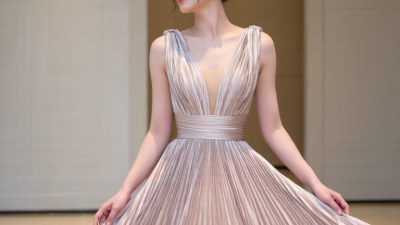
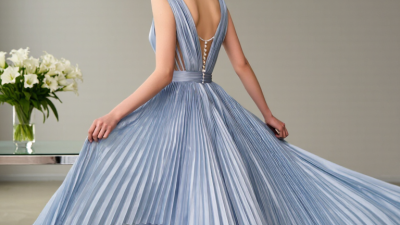
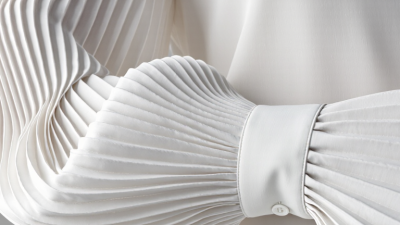
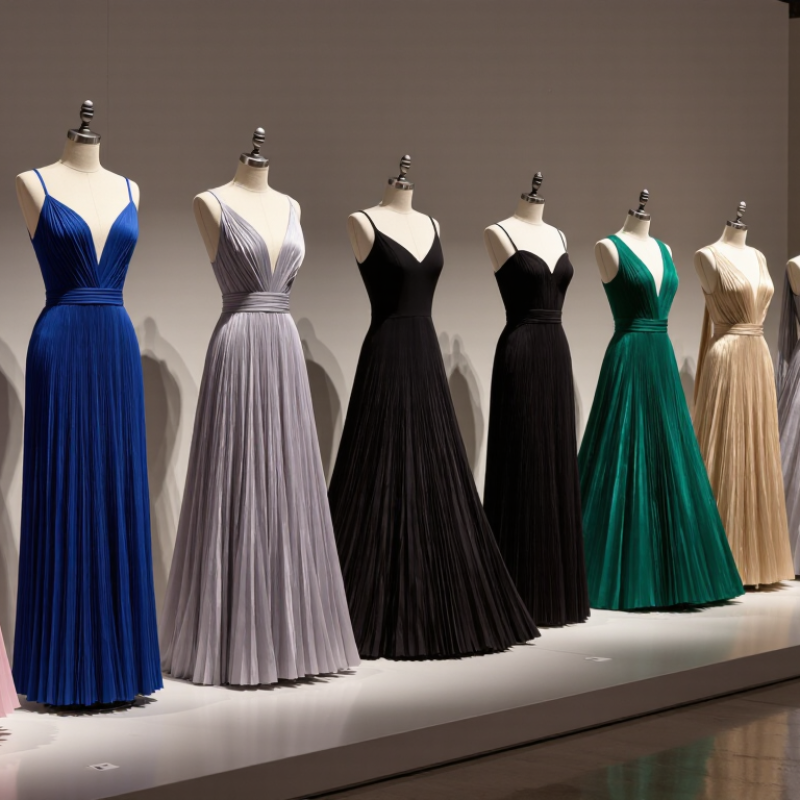
Pleat type changes the gown’s personality. Knife pleats create clean, repeated lines. Box pleats add volume and a stronger architectural effect. Accordion pleats compress easily, then open with movement. Sunray pleats usually widen from the waist, creating a controlled flare.
Each option needs suitable fabric. Polyester blends hold sharp folds well. Silk offers fluid movement but may relax with humidity. Satin reflects light beautifully, although every uneven fold becomes visible.
Fabric testing adds practical confidence. ASTM D1776 helps condition textiles before testing, reducing misleading results from moisture changes. ASTM D3776 measures fabric mass per unit area, which helps compare drape and weight. ASTM D5034 evaluates breaking strength, while ASTM D1683 examines sewn seam failure in woven fabrics. These methods support quality checks, but they do not certify every gown design. Standards must match the fabric and test purpose.
I still inspect pleat recovery by hand after pressing and hanging. It is simple, yet imperfect. A gown can pass a laboratory test and still feel awkward on the body. Waist comfort, lining tension, hem balance, and movement deserve equal attention.
Selection Criteria: Ranking the Top 10 by Fit, Finish, Comfort, and Versatility
Top 10 Pleated Formal Gowns for Every Occasion
Our ranking measures fit, finish, comfort, and versatility. Fit receives 35 percent because a beautiful gown fails when the waist twists or the hem drags. Finish receives 25 percent, covering pleat consistency, seam strength, lining, and zipper performance. Comfort earns 20 percent. Versatility earns the remaining 20 percent, based on suitable use across weddings, galas, ceremonies, and evening dinners.
35%
Fit
25%
Finish
20%
Comfort
20%
Versatility
The scoring reflects practical wear, not studio appearance alone. We inspect pleats under direct light, then sit, walk, raise both arms, and test the gown with ordinary evening shoes. A strong design keeps its shape after movement. It should also feel balanced at the shoulders and hips.
Textile Exchange reported 124 million tonnes of global fiber production in 2023, making material efficiency increasingly relevant to formalwear evaluation. A durable lining and recoverable pleats can support longer use.
The highest-ranked gowns combine clean finishing with forgiving construction. Adjustable waist details improve fit, while breathable linings reduce heat during long events. Small details matter. A secure hook matters. So does pocket placement.
The Ellen MacArthur Foundation has repeatedly highlighted longer product use as a key strategy for reducing fashion waste. This supports versatility as a serious ranking factor, not a decorative extra.
No ranking is perfect. Body shape, climate, and personal tolerance can change the result. A gown that feels effortless on a model may pinch after three hours. Our selection therefore rewards measurable construction, but real-world comfort remains partly subjective.
Industry Data Framework: Size Ranges, Fabric GSM, Retail Prices, and Cost per Wear
Top 10 Pleated Formal Gowns for Every Occasion
Pleated formal gowns work for ceremonies, evening receptions, and formal dinners. Their structure can flatter many body shapes, but sizing is rarely consistent. In current retail data, practical size ranges extend from XXS to 4XL, while inclusive collections may reach 6XL. Always inspect the garment’s measurement chart. A labeled size can mislead.
Fabric weight changes comfort and movement. Lightweight chiffon and georgette often measure 70–110 GSM. Satin, crepe, and lined polyester commonly range from 140–220 GSM. Heavier fabric creates sharper pleats, but it may feel warm during long events. Retail prices frequently sit between $120 and $650, depending on lining, tailoring, and pleat complexity. I still misjudge comfort from photographs sometimes. A fitting test matters more than appearance alone.
Tips: Calculate cost per wear by dividing the purchase price by expected uses. A $240 gown worn eight times costs $30 per wear. Check seam recovery after sitting, especially around the waist. Test the pleats under indoor and outdoor lighting. Minor unevenness can appear. Reviewers and experienced fit specialists often notice details shoppers miss, such as transparent lining, weak zipper tension, or restricted arm movement. Keep those observations beside the price before choosing a gown.
The Top 10 Pleated Gowns Matched to Weddings, Galas, Proms, and Work Events
Top 10 Pleated Formal Gowns for Every Occasion
The Top 10 Pleated Gowns Matched to Weddings, Galas, Proms, and Work Events
Pleats add movement without needing heavy decoration. The Knot’s 2023 Real Weddings Study recorded an average U.S. wedding spend of $35,000, making thoughtful outfit choices practical. For weddings, choose one: a soft chiffon A-line, a pastel tea-length dress, or a pleated wrap gown. These shapes move easily during ceremonies and outdoor photographs. A muted floral pleated maxi also works for daytime receptions. Avoid white, even when the fabric looks different.
For galas, select a fifth option: a floor-length metallic accordion gown. A sixth choice is a deep jewel-tone column dress with narrow pleats. A seventh is a satin halter gown with a controlled skirt. Keep jewelry simple. Pleats already catch the light. For proms, the eighth option could be a corset-inspired pleated ball gown, while the ninth suits a sleek one-shoulder silhouette. Check the hem carefully. Crowded floors expose poor alterations quickly. Not every dramatic dress photographs well.
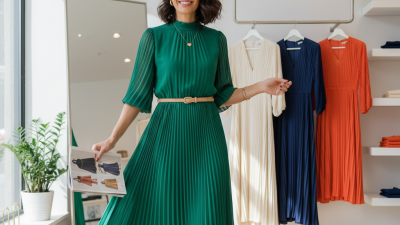
Work events need restraint. A tenth option is a knee-length pleated dress with sleeves and a defined waist. The U.S. Bureau of Labor Statistics reported average household spending of $2,041 on apparel and services in 2023. That figure supports choosing versatile pieces over single-use purchases. Add a tailored jacket and low heels for presentations. Remove the jacket for dinner afterward. I have found that medium pleats forgive sitting creases better than sharp micro-pleats, though this is not universal. Fabric quality still matters. Some beautiful gowns wrinkle disappointingly fast.
Buying and Care Metrics: Measurements, Hemlines, Pleat Recovery, and Maintenance Cost
A pleated formal gown should be measured before it is admired. Record bust, waist, hip, shoulder-to-floor, and preferred heel height. Leave two centimeters of ease around the waist. Too little ease distorts the pleats when sitting. Too much can weaken the gown’s clean shape. I measure twice, because rushed measurements create expensive alterations.
Hemline choice depends on movement and setting. A floor-length gown suits evening ceremonies, but it needs a small walking clearance. For outdoor events, a hem one to three centimeters above the ground reduces dirt and moisture damage. Tea-length styles offer easier movement and lower maintenance. Test the hem while walking, turning, and climbing one step. A mirror alone misses practical problems.
Pleat recovery shows whether the fabric can regain its structure. Pinch one pleat gently, release it, and observe the fold after thirty seconds. Good recovery leaves minimal spreading or waviness. Photograph the fabric before and after testing. I still find this test imperfect, especially with layered materials. Ask a qualified tailor to assess permanent impressions before purchasing. Maintenance costs include cleaning, pressing, storage, and possible pleat restoration. Follow the care label, then request a written estimate from a specialist. Avoid ordinary high heat. Steam may relax delicate pleats. A breathable garment bag, padded hanger, and dry storage help preserve shape. Inspect the hem after every formal event. Small stains become costly when ignored.