Leave Your Message

How to Choose the Perfect Pleated Formal Gown?

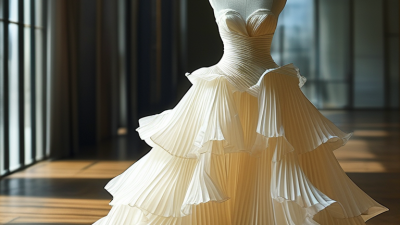
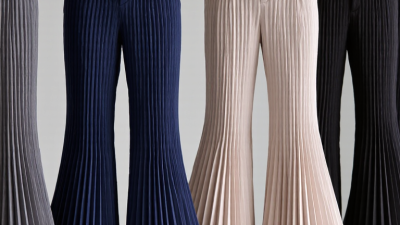
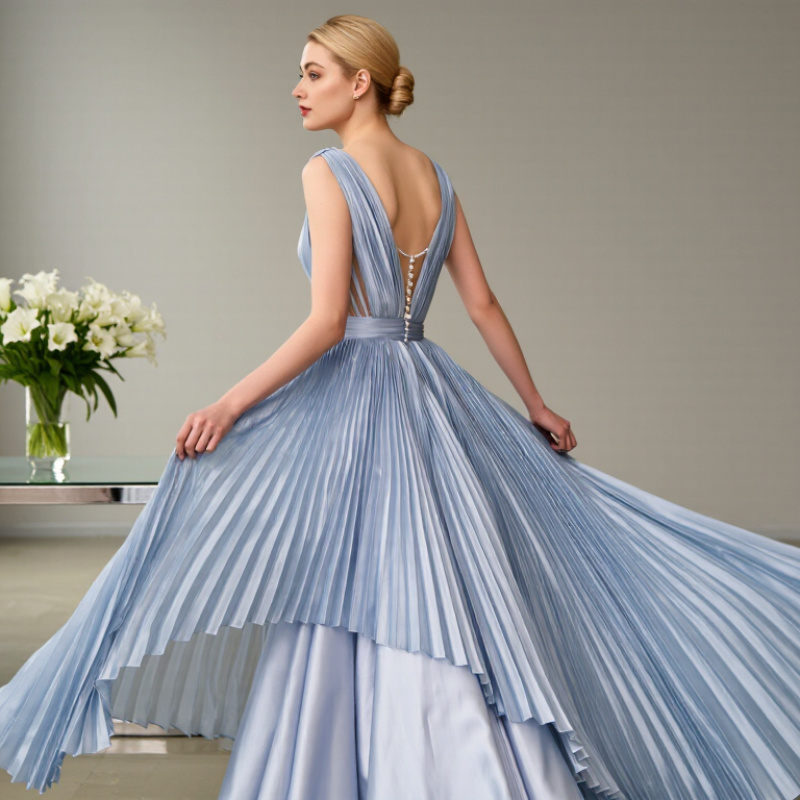
Choosing a Pleated Formal Gown is about more than finding a flattering silhouette. The right dress should move comfortably, suit the occasion, and feel appropriate under its lighting. A sharp knife pleat creates clean lines; an accordion pleat adds bounce; a sunburst design can add fullness around the hem. Fabric matters, too. Chiffon floats, while heavier satin tends to hold a more sculpted shape. Small details count.

Industry data can help set expectations, but it needs context. The Knot’s 2024 Real Weddings Study surveyed nearly 17,000 U.S. couples and reported an average wedding-dress spend of about $2,000. That figure concerns bridalwear, not every kind of formal gown, so treat it as a reference—not a rule. The McKinsey and Business of Fashion State of Fashion 2025 report also describes shoppers as increasingly value-conscious, making cost-per-wear and garment quality worth considering. A single event may not justify a dress that feels uncomfortable after one hour.

This guide will help you compare pleat styles, fabrics, fit, and practical details before choosing. Check how the pleats fall when you sit, walk, and turn. Look closely at the lining and seams. Try it in natural light, if possible. A fitting-room mirror can be misleading. And even careful measurements cannot predict every alteration. That is worth remembering. A beautiful gown should feel like yours—not merely photograph well.
How to Choose the Perfect Pleated Formal Gown?

Decode the Dress Code and Venue Before Choosing a Pleated Gown

How to Choose the Perfect Pleated Formal Gown?

Decode the dress code and venue before choosing your pleated gown. “Black tie” usually calls for floor-length polish; cocktail attire allows a shorter hem and lighter structure. Check the invitation wording, then ask the host if it feels vague.

Formal does not mean identical. A beach ceremony, a hotel ballroom, and a garden reception each ask for different shoes, fabrics, and movement.

For a lawn, narrow heels can sink. For a crowded dance floor, soft, fluid pleats feel easier than stiff, wide folds.

Venue scale matters, too. The 2024 Real Weddings Study reported an average U.S. wedding guest count of 115 and average spending of $33,000. These figures do not dictate a dress, but they remind us that many celebrations involve busy rooms and long evenings.

Consider lighting: metallic pleats may catch ballroom lights, while matte fabric can look calmer outdoors. Check the forecast and walk a few steps in the gown before committing.

I’d be cautious about treating “formal” as a fixed formula; it’s easy to choose for photographs and forget the actual chairs, stairs, or weather. Small details count. A hem that clears the floor and pleats that release when you sit can make the evening more comfortable.

Compare Pleat Structure and Fabric Weight Using ASTM D3776

How to Choose the Perfect Pleated Formal Gown?

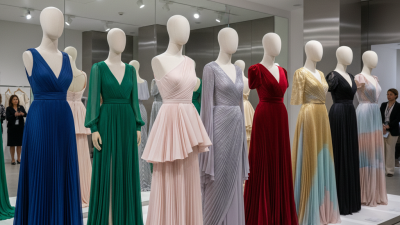
Pleat structure changes how a formal gown moves, photographs, and feels after hours of wear. Knife pleats create a controlled vertical line. Accordion pleats open more dramatically with each step. Box pleats add volume, but they can make the waist appear wider. In fittings, I watch the hem first. If it swings evenly, the pleat spacing is usually working.

Fabric weight needs a measurable comparison. ASTM D3776 evaluates fabric mass per unit area, commonly reported in grams per square metre. Request a test result from a conditioned sample, not a supplier’s casual estimate. A lightweight fabric may fall softly, but sharp pleats can collapse quickly. A heavier fabric holds structure better, yet it may pull at the waistband. That trade-off is easy to underestimate.

Industry scale also matters. Textile Exchange’s 2024 Materials Market Report estimates global fiber production reached 124 million tonnes in 2023. The report projects growth toward 160 million tonnes by 2030. This makes material selection more important, not merely decorative. Compare two swatches with the same pleat depth. Record their ASTM D3776 weights, then bend each across your hand. The heavier swatch is not automatically superior. I once preferred a crisp, dense fabric, but its sharp folds felt stiff under stage lighting. Testing exposed that mistake. Ask for movement, recovery, and seam samples before ordering.

Check Colorfastness with AATCC TM8’s 1–5 Staining Scale

How to Choose the Perfect Pleated Formal Gown?

A pleated formal gown should keep its color after movement, seating, and light contact. AATCC TM8 evaluates color transfer through a controlled crocking test. A white test cloth rubs against the gown’s surface. The result uses a staining scale from 1 to 5. Grade 5 means no visible staining. Grade 1 indicates severe color transfer. For a dark red, navy, or emerald gown, this detail matters.

Ask for the tested grade, not a vague claim such as “colorfast.” Dry crocking measures transfer without moisture. Wet crocking uses a dampened test cloth and may reveal greater risk.

Pleats create raised edges, folds, and pressure points. These areas can rub against gloves, chair backs, or lighter fabrics. Inspect the waistband and deep pleat valleys carefully. They often receive uneven finishing.

A gown with a grade of 4 or 5 is generally more reassuring for formal wear. Still, test conditions cannot copy every event. Sweat, rain, friction, and repeated cleaning may change the result.

No home check is perfect. You can gently rub an inside seam with a white cotton cloth, but treat this only as a warning sign. I would avoid judging the entire gown from one hidden spot.

Color may vary across panels, especially after pleating. Ask how the fabric was tested, when it was tested, and whether wet crocking was included. That small conversation can prevent a pale lining from turning unexpectedly pink.

Assess Fit and Movement, Then Check Shrinkage Under AATCC TM135

How to Choose the Perfect Pleated Formal Gown?

A pleated formal gown should fit while standing and moving. A mirror check is not enough. Walk, sit, raise your arms, and turn slowly. Watch the waistline, shoulder seams, and pleats near the hips. If the fabric pulls across your back, the gown may restrict movement during dinner or dancing. A slightly relaxed fit often looks more elegant than a tightly fitted one. It is easy to overlook this detail when the gown looks beautiful under bright showroom lights.

Shrinkage also deserves careful attention. AATCC TM135 evaluates dimensional changes after home laundering under controlled conditions. Before testing, measure the gown’s length, bust, waist, and selected pleat intervals. Follow the garment’s care instructions and record the washing and drying conditions. Measure again afterward. Even small changes can affect the hemline or distort evenly spaced pleats. The method offers useful evidence, but it does not replace checking the actual gown. Fabric structure, finishing, and repeated care may produce different results. I would not rely on one measurement alone.

Tips: Pin the hem temporarily before movement tests. Photograph the pleats from the front and side. Ask a qualified tailor to assess balance and ease. If possible, test a fabric sample using the same care process. A gown can pass a fit check and still disappoint after laundering. That possibility is worth considering.

Review ISO 3758:2023’s Five Textile Care Categories

How to Choose the Perfect Pleated Formal Gown?

A beautiful pleated gown must also survive careful maintenance. ISO 3758:2023 organizes textile care into five categories: washing, bleaching, drying, ironing, and professional textile care. Check the care label before choosing a gown for repeated events. A gown marked with a gentle washing symbol may suit home care, but delicate pleats can still lose their sharp shape through friction. That detail matters. I once saw fine folds become uneven after one crowded wash cycle.

The bleaching category shows whether whitening agents are allowed. Avoid assuming that pale fabric needs bleach. It may cause yellowing or weaken decorative fibers. Drying symbols guide natural or machine drying, while ironing symbols indicate safe heat levels. Low heat is usually safer for pleats, especially near satin-like surfaces. Professional textile care symbols may indicate suitable dry or wet cleaning processes. Always confirm the cleaner understands structured pleats and bonded layers.

Tips: Photograph the label before wearing the gown. Test steam on a hidden hem first. Store the dress vertically, with pleats aligned and enough space between garments. Do not press folds aggressively. A care symbol is helpful, not magical. Fabric blends, trims, and lining can react differently, so follow the complete label rather than one symbol alone. My own preference is a gown with clear instructions and manageable care, even when its pleats look slightly less dramatic. Convenience is part of elegance.