What is Artisanal Pleated Garments and Why They Matter?
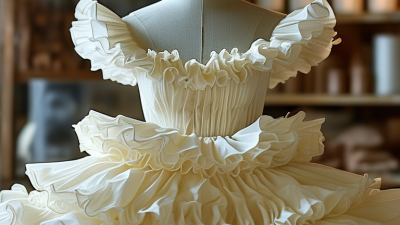
Artisanal pleated garments represent a significant blend of craftsmanship and creativity in fashion. These pieces are not merely clothes; they embody a story and tradition. Each garment reflects the artisan's skill, honed through years of practice. The intricate pleating requires a deep understanding of fabric and technique.
Why do artisanal pleated garments matter? They stand against fast fashion's quick turnover. They offer sustainability, quality, and uniqueness. Consumers are increasingly valuing items with a personal touch. These garments encourage mindful purchasing and appreciation for artistry. Their detailed design invites reflection on our fashion choices.
As we navigate today’s market, artisanal pleated garments remind us of the beauty in imperfection. They challenge us to reconsider our relationship with clothing. Embracing these pieces can lead to a deeper understanding of fashion's role in our lives. In a world of mass production, these garments inspire a commitment to quality and craftsmanship.
What are Artisanal Pleated Garments?
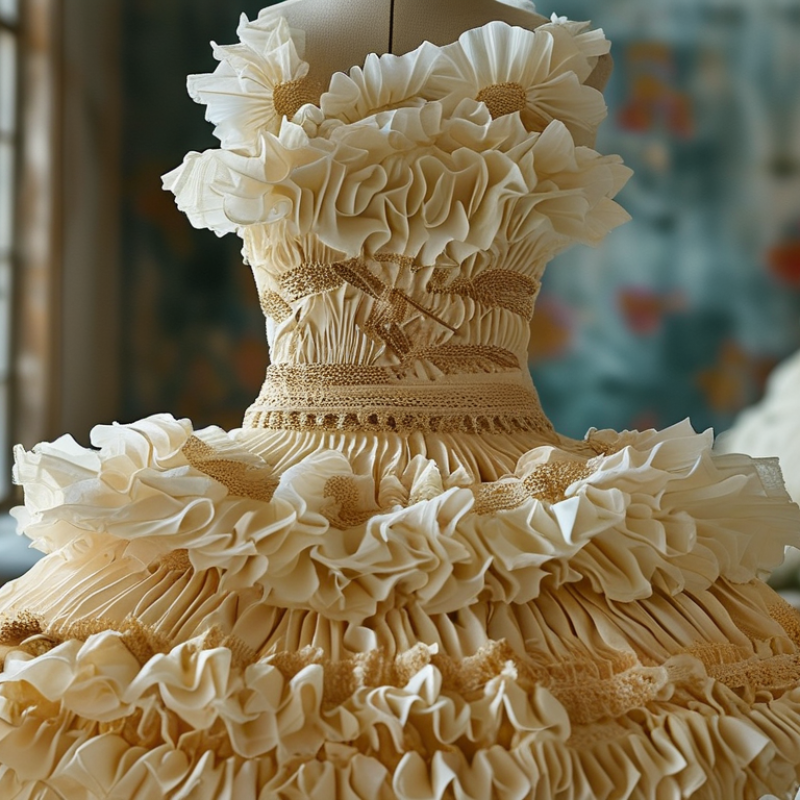
Artisanal pleated garments are a remarkable blend of tradition and technique. These unique pieces emphasize handcraftsmanship, often highlighting the skills of artisans who use age-old methods. Unlike mass-produced clothing, artisanal pleating focuses on detail and individuality, making each item a work of art. Reports indicate that the global market for artisanal fashion is growing, with a projected increase of 25% annually by 2025.
The materials used in artisanal pleated garments are often sourced sustainably. Natural fibers like silk and cotton provide a luxurious feel. Artisans may invest significant time in perfecting each fold, making the final product not just clothing, but an expression of creativity. However, the rising demand for uniqueness can sometimes clash with scalable production. Balancing craft with efficiency often presents challenges for artisans striving to maintain quality.
Education around these garments is crucial. Many consumers do not understand the intricacies involved in the pleating process. It's essential to raise awareness about the craftsmanship behind these pieces. This understanding creates a deeper appreciation for artisanal work. Reports indicate that consumers are willing to invest in high-quality items, valuing craftsmanship over fast fashion. Reflecting on our choices impacts the sustainability of the fashion industry and supports artisans.
Historical Evolution of Pleated Garments in Fashion Industry
Pleated garments have a rich history in the fashion industry, tracing back to ancient Egypt. Designers often utilized these fabrics to convey
movement and elegance. The intricate process of creating pleats requires skillful craftsmanship. A report by the Global Fashion Management Institute states that the demand for textured garments has
risen by 48% over the past five years. This statistic highlights how consumers are increasingly seeking unique designs.
Over the decades, pleats evolved with changing societal norms. In the 1920s, the flapper movement embraced pleated skirts as a symbol of women's liberation. By the 1970s, designers began exploring sustainable
practices in garment construction. Yet, the trend of mass production has at times overshadowed artisanal techniques. This tension begs the question: how can we balance
innovation with tradition?
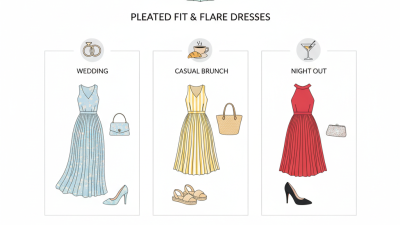
Tips: Choose pleated garments that suit your body type for a flattering look. Consider pairing these items with solid colors to let the pleats stand out. Also, remember that
not all pleats are created equal; some may require more maintenance than others.
Key Techniques in Creating Artisanal Pleated Designs
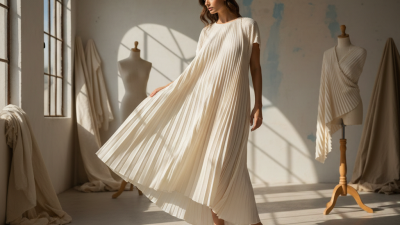
Artisanal pleated garments are unique pieces that showcase skilled craftsmanship. The creation process involves intricate techniques that elevate basic fabrics into stunning, textured designs. One key technique is knife pleating. This method involves folding the fabric in a single direction for a sharp, crisp look. It demands precision and attention to detail, making it both beautiful and challenging.
Another technique is crystal pleating. In this process, the fabric is gathered and stitched to create a voluminous effect. It adds dimension and elegance, but requires a deep understanding of fabric drape and weight. Achieving a perfect balance can be tricky. Sometimes the fabric may not hold the desired shape, leading to frustration.
Tips for creating artisanal pleats include starting with quality fabric. Always choose materials that can withstand the pleating process without losing integrity. Testing different folds on scrap fabric can guide your decisions. Pay attention to the tools you use; they can affect the outcome significantly. Exploring these techniques can lead to remarkable and one-of-a-kind creations. Understanding your fabric is crucial for successful pleating. Take the time to reflect on what works and what doesn't. Learn from each attempt.
Market Trends: Demand for Sustainable and Artisanal Fashion
The demand for sustainable and artisanal fashion is on the rise. Consumers are increasingly aware of the environmental impact of fast fashion. They seek clothing that tells a story and connects them to traditional craftsmanship. Artisanal pleated garments are a perfect example of this trend. These pieces celebrate unique designs and manual techniques. Each garment reflects the individuality of the maker.
Artisanal fashion often involves eco-friendly materials and methods. This approach minimizes waste and promotes ethical production. Many artisans use local resources, which supports their communities. However, challenges exist in scaling such practices. The market needs consistent quality and reliable supply chains. Balancing sustainability with demand can be tricky.
Yet, the allure of artisanal pieces remains strong. Consumers appreciate the imperfect aspects of handmade clothing. The subtle variations in texture and color add character. This uniqueness often makes these garments more desirable. Brands must respond to this evolving landscape thoughtfully.
Market Trends: Demand for Sustainable and Artisanal Fashion
Impact of Artisanal Pleated Garments on Textile Innovation and Economy
Artisanal pleated garments have gained significant attention in the fashion world. They exemplify the blend of tradition and innovation in textile design. This unique artistry pushes the boundaries of garment construction, offering new ways to manipulate fabric. Their complexity often leads to unexpected results, which can be both thrilling and challenging for designers.
The impact of artisanal pleated garments extends beyond design. They contribute to local economies by supporting craftsmanship. Artisans often rely on ancestral techniques, offering a sustainable alternative to mass production. The rise of such garments encourages consumers to appreciate the value of skilled labor. However, market demand can sometimes overshadow tradition, leading to compromises in quality. This inconsistency urges consumers to critically assess what truly matters in fashion.
Tips: When choosing artisanal pleated garments, look for evidence of craftsmanship. Check for unique stitching patterns and fabric quality. Supporting local artisans not only promotes sustainability but also helps preserve cultural heritage. Engage with designers to understand their creative process. This connection can enhance your appreciation of these garments.
What is Artisanal Pleated Garments and Why They Matter? - Impact of Artisanal Pleated Garments on Textile Innovation and Economy
| Dimension |
Description |
Impact on Economy ($ millions) |
Innovation Index (1-10) |
| Craftsmanship |
Focus on traditional techniques and handmade processes. |
120 |
8 |
| Sustainability |
Use of eco-friendly materials and processes. |
90 |
9 |
| Market Demand |
Growing consumer interest in unique, handmade clothing. |
150 |
7 |
| Cultural Significance |
Preservation of local traditions and cultural expression. |
60 |
10 |
| Employment Generation |
Job creation in local communities through artisanal workshops. |
70 |
6 |