Leave Your Message

2026 Best Pleated Fit and Flare Dresses for Every Occasion

A Pleated Fit And Flare Dress can move easily from a daytime gathering to an evening celebration, but the right choice depends on more than its silhouette. This guide explores standout styles for 2026, with practical details to consider before you buy. Think about where the dress will be worn, how often, and what comfort means for you.

Look closely at the pleats: crisp, evenly spaced folds can create shape, while softer pleats often allow more movement. Check the fabric, too. Lightweight materials may feel airy at an outdoor event, while a lined, structured skirt can offer a more polished look indoors. Small details matter. A defined waist, secure closures, and a skirt that moves without riding up can make a real difference.

Fit is personal. Compare the garment’s size chart with your measurements, and read product notes about stretch, lining, and skirt length. If possible, consider how the dress works with shoes you already own; a hem that looks elegant with heels may feel awkward with flats. Occasion matters, but so does repeat wear. Comfort counts, too.

The selections ahead cover polished options for weddings, versatile choices for work or dinners, and relaxed designs for weekends. No single dress suits every body or event, and online photos can be imperfect guides. Use the details here to narrow your choices, then trust the fit and feel that work best for you.
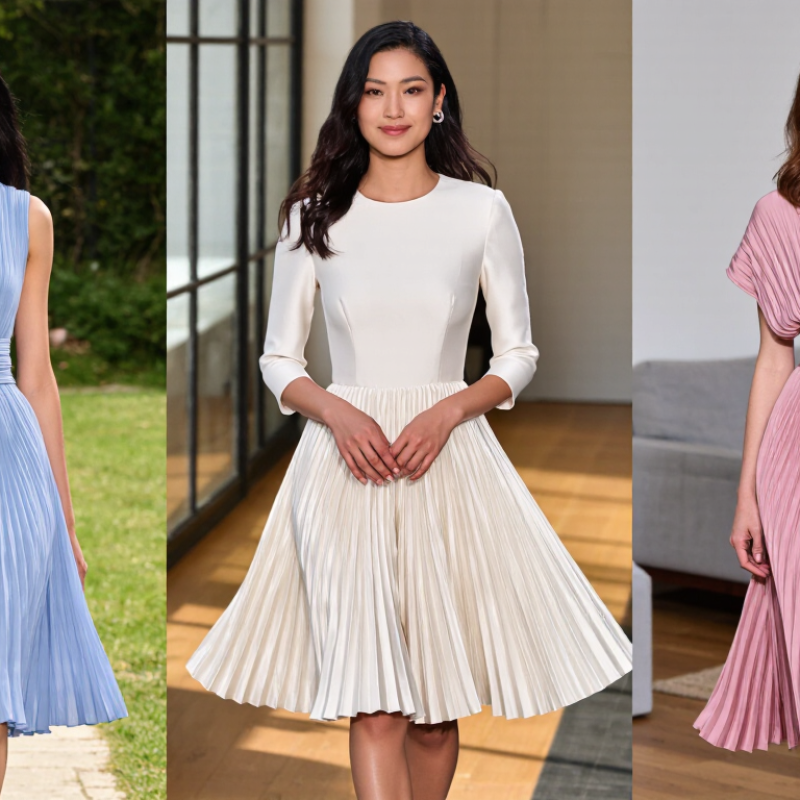
2026 Best Pleated Fit and Flare Dresses for Every Occasion

What Defines a Pleated Fit-and-Flare Dress in 2026

In 2026, the defining shape is simple. A fitted bodice meets a visible waist seam, then opens into a skirt that swings outward. Pleats give the flare structure and motion, rather than merely adding decoration. Some designs use crisp knife pleats; others use soft, narrow folds that relax as you walk. Small differences matter.

The pleat type changes the feel. Pressed folds hold a sharper silhouette, while softer pleats create easier movement and a more relaxed look. A skirt can seem full on a hanger yet fall flat when the fabric is too stiff or heavy. Fabric and construction count. Check how the folds sit at the waist, whether the lining lets them open, and if the hem hangs evenly after sitting. Try moving in the dress, not just standing still.

Current styling favors adaptable proportions, not one required skirt length. Midi hems pair easily with flats, while shorter styles can feel lighter for daytime events. Still, trend claims age quickly. The lasting detail is balance: enough shaping through the bodice to anchor the volume, without pulling across the chest or waist. No dress fits every body the same way. Even a beautiful pleat can twist.
Key Features That Shape Fit, Movement, and Comfort

A pleated fit-and-flare dress should skim the waist, then open without pulling across the hips. Check the waist seam while sitting, not only in a mirror. Pleats should fall evenly, with no sharp strain lines near the pockets or side seams. TC²’s SizeUSA project scanned more than 10,000 U.S. adults, documenting substantial variation in body measurements. That older study is a useful reminder: a size label cannot confirm how a dress will fit your proportions. Small details matter. Look for adjustable closures, a stable waistband, and enough room to take a full step.

Movement also depends on fabric weight, pleat depth, and lining. Walk, sit, and turn; the skirt should move freely without twisting around your legs. Textile Exchange reported that global fiber production reached 124 million tonnes in 2023, with polyester accounting for 57 percent. That figure describes the fiber market, not the comfort of any one dress. A fiber label is only a starting point: feel the fabric and check whether the lining catches when you move. I would not assume deeper pleats always mean better movement; stiff fabric can make them stand away from the body. A slightly imperfect test helps. Raise your arms and sit down. If the waist rides up or the skirt pulls, reconsider the cut.

2026 Best Pleated Fit and Flare Dresses for Every Occasion

How key design features can shape fit, movement, and comfort

Ratings are a qualitative design guide on a 1–5 scale, not laboratory measurements. A defined waist can emphasize shape, while fuller pleats and a comfortable lining can support ease of movement and wear.

How to Choose a Dress for Your Body Shape and Preferences

Choosing a pleated fit-and-flare dress starts with how you want it to feel, not a body-shape label. The fitted bodice and flared skirt define the waist, while pleats add movement and sometimes extra volume. If you prefer a softer outline, try a bodice that skims rather than grips. Want more waist definition? Look for a shaped seam. These are starting points, not rules.

Check the proportions in a full-length mirror. A petite wearer may prefer narrower pleats or a hem that leaves the ankles visible; a taller wearer might enjoy a fuller skirt. For a fuller bust, test the bodice while sitting and reaching forward. No pulling? Good. If you carry more fullness around the middle, an unrestrictive waist and fluid pleats may feel easier. Still, fabric changes everything: crisp pleats hold their shape, while softer ones fall closer to the body.

Consider the occasion and your habits. A lined dress can feel more secure at a long event, but check whether it stays comfortable in warm rooms. For everyday wear, make sure you can walk freely and sit without adjusting the skirt. It is easy to overthink the mirror test. Wear the dress for ten minutes, move around, and notice any pinching, slipping, or fussing. A beautiful dress that needs constant fixing may not be your dress.

2026 Best Pleated Fit and Flare Dresses for Every Occasion - How to Choose a Dress for Your Body Shape and Preferences

A practical guide to choosing a pleated fit-and-flare dress by occasion, preferred fit, fabric, and styling needs.
Occasion Style and Length Fabric and Pleat Notes Fit Considerations Useful Details
Work or business-casual settings Knee-length or midi dress with a modest neckline and defined waist Medium-weight woven fabric can help the skirt keep its shape; pressed pleats look especially neat Choose a bodice that allows comfortable movement when sitting and reaching. A gently flared skirt offers ease without excessive volume. Layer with a cardigan or tailored jacket; check workplace dress guidelines before choosing a hemline or neckline.
Weddings and daytime celebrations Midi or tea-length style with soft pleats and a balanced, occasion-appropriate silhouette Chiffon, georgette, and other lightweight fabrics create movement; a lining can improve coverage Look for a waist placement and bodice shape that feel comfortable rather than relying on a particular body-shape label. Pastels, prints, and richer colors can all work; avoid white or other colors reserved by the couple.
Evening events Midi or maxi dress with a more structured bodice, refined pleating, or a defined waist Satin and other smooth fabrics can appear dressy; they may show creases or cling more than textured fabrics Check how the fabric behaves while walking and sitting, especially around the waist, hips, and bust. Pair with dress shoes and a small evening bag; a lining can reduce transparency in lighter fabrics.
Casual outings and travel Knee-length or midi dress in a simple cut, with practical pockets if available Cotton, cotton blends, and jersey are common comfortable options; pleats may need refreshing after packing A little ease through the bodice and waist can make extended wear more comfortable. Check the care label before travel. Flat shoes or sneakers create a relaxed look; a washable fabric is useful for frequent wear.
Petite proportions Above-knee to midi length, with a waist seam close to the natural waist Fine, softer pleats can create less visual bulk than very deep or stiff pleats Compare the garment’s waist placement and skirt length with your own measurements; petite sizing varies by retailer. Try the dress with your intended shoes. A hem adjustment can help preserve the intended proportions.
Taller proportions Midi or maxi length; look for skirt and bodice measurements that suit your preferred coverage Defined pleats and a fabric with some structure can create a clear, balanced silhouette Check the listed garment length and waist placement rather than relying on the size label alone. Review model height and garment measurements when available; sleeve and hem lengths can differ substantially between styles.
More waist definition preferred Fit-and-flare shape with a shaped bodice, waist seam, or optional belt Structured fabrics can hold the flared skirt’s shape; softer fabrics provide a more fluid effect Choose a waist detail that does not pinch when seated. A belt should be adjustable and comfortable throughout the day. Check whether the belt is included and whether the dress has enough room for comfortable movement.
Comfort and coverage are priorities Midi length with sleeves or a neckline and skirt shape that suit personal preferences A lined skirt can add coverage; breathable fabric may feel more comfortable in warm weather Review bust, waist, and hip measurements, plus the garment’s stretch and lining details. Size charts differ between sellers. Read care instructions and return terms before ordering online; a try-on helps confirm movement and coverage.

Choosing tip: Body-shape categories are only broad styling references, not rules. Prioritize your measurements, comfort, preferred coverage, fabric feel, and the way the dress moves on your body.

Pleated Fit-and-Flare Dresses for Different Occasions

Pleated fit-and-flare dresses can move easily between occasions because their shape offers definition without restricting every step. For daytime errands or a garden lunch, choose a breathable fabric and a hem that stays comfortable when sitting. Flat sandals keep the look relaxed. A light cardigan helps when the weather shifts.

For work, a knee-length style in a quiet color can feel polished without looking overly formal. Check the pleats while standing and sitting; some fabrics spread more than expected. A simple belt may add shape, but it can bunch the waist. Small details matter. Low heels or neat flats are practical for long days on your feet.

At a wedding or evening gathering, deeper colors and finer pleats can create a dressier effect. Pair them with modest jewelry and shoes suited to the venue, especially if the event includes grass, stairs, or dancing. Fit matters more than a dramatic silhouette. If the skirt catches when you walk, try a different length or fabric. That is not always obvious in a mirror. A quick walk test can reveal more than another accessory.

Fabrics, Styling, and Care for Lasting Wear

A pleated fit-and-flare dress balances a shaped bodice with a skirt that moves easily. Fabric affects both its drape and care needs. Lightweight woven fabrics can feel airy, while a denser fabric may hold pleats more clearly. Check the garment’s care label before buying; fiber content alone does not tell the whole story. A lined skirt may feel smoother, but it can also take longer to dry.

For styling, match the dress’s volume with simple layers. A cropped cardigan or fitted jacket usually sits neatly at the waist, while flat shoes work well for daytime plans. For an evening event, try low heels and understated jewelry. Pleats can lose their definition under heavy bags or tight folding, so hang the dress when possible. A small trade-off: delicate pleats may need more attention than a plain skirt. Not every fabric springs back.

Tips: Spot-clean small marks with a damp cloth, and avoid rubbing hard. If the label allows washing, use a gentle cycle and a mesh bag. Reshape the pleats while the dress is damp, then air-dry it on a hanger. Check the care instructions before ironing; heat can flatten or damage some fabrics.