How to Source Artisanal Pleated Garments for Your Business?
In the evolving world of fashion, sourcing "Artisanal Pleated Garments" can set a brand apart. Renowned designer Emily Carter once stated, “The uniqueness of artisanal pieces lies in their painstaking craftsmanship.” Understanding this craftsmanship is crucial for any business aiming to thrive in this niche market.
Finding the right suppliers requires a keen knowledge of both quality and trends. Artisanal pleating techniques can vary significantly, affecting the texture and appearance of garments. Each piece tells a story, reflecting the artist's hand and vision. However, not all suppliers might provide the same quality or ethical practices.
It's essential to connect with experienced artisans and evaluate materials carefully. True artisanal garments enhance a collection but come with challenges. Brands must reflect on their sources to ensure reliability and authenticity. Sourcing artisanal pleated garments is as much about storytelling as it is about fashion.
Identifying the Demand for Artisanal Pleated Garments in the Market
Identifying the demand for artisanal pleated garments requires a keen understanding of current fashion trends. In recent years, there has been a resurgence of interest in handcrafted clothing. Consumers are increasingly drawn to unique, bespoke items that tell a story. Artisanal garments offer this quality, blending craftsmanship with distinct aesthetic appeal.
Market research shows that sustainability plays a significant role in consumer choices today. Many buyers prioritize ethically produced clothing. This preference often leads them to seek out artisanal options. Engaging with local artisans can provide insights into consumer needs. Attending craft fairs or artisan markets allows businesses to gauge current demand. Observing customer interactions can reveal preferences that data alone may not show.
However, sourcing these garments is not without challenges. Not every artisan produces high-quality work, and finding reliable partners may take time. There is also the issue of pricing, as artisanal products can be costly. Striking a balance between quality and affordability requires ongoing research and adaptation. Listening to customer feedback is essential for refining offerings. Ultimately, understanding the nuances of consumer demand will help businesses make informed sourcing decisions.
Market Analysis of Artisanal Pleated Garments Demand
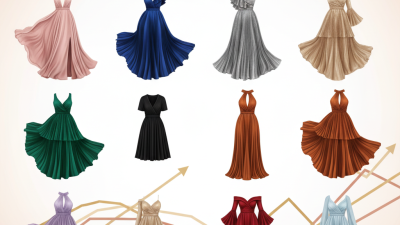
This chart illustrates the demand levels for artisanal pleated garments across different regions. The data shows that the USA leads the demand at 40%, followed by Europe and Asia, indicating a growing interest in artisanal clothing trends.
Exploring Different Sources for Artisanal Pleated Garments
When sourcing artisanal pleated garments, it is essential to explore various channels. The global market for artisanal textiles is valued at approximately $43 billion, showing a steady annual growth rate. This growth indicates a rising consumer interest in unique, handcrafted items. Engaging with local artisans can provide authenticity. However, it often requires careful vetting to ensure quality and ethical production.
Consider attending trade fairs and textile exhibitions. These events showcase innovative designers and traditional craftsmanship. They are excellent venues for direct sourcing. Do not overlook the digital realm as well. Online platforms that emphasize sustainable fashion can connect you with skilled artisans worldwide. The diversity in craftsmanship can be a double-edged sword; varying skill levels may affect production consistency.
Tip: Establish a strong relationship with your suppliers. Regular communication fosters trust and helps ensure quality control. Additionally, visiting production sites can provide deep insights into the processes involved. It fosters appreciation for the craftsmanship, but it also highlights areas for improvement.
In the quest for quality, remember to evaluate your sourcing strategy continually. Market dynamics shift rapidly, and consumer preferences change. Staying attuned to these trends is crucial. A reliance on traditional methods might limit innovation. Balancing heritage with modern design could spark new opportunities.
Evaluating Quality and Craftsmanship in Sourcing
When sourcing artisanal pleated garments, evaluating quality and craftsmanship is paramount. To begin, closely examine the fabric used. Natural fibers like cotton and silk often yield better drapes and textures. The feel of the fabric should be soft yet durable. A quick test can reveal its resilience. Additionally, inspect the pleating technique. Hand-pleated designs often carry a unique character. Artisan techniques may result in slight imperfections, which can enhance the garment's charm.
The stitching is another critical factor. High-quality garments feature tight, even stitches. Check for consistency throughout the piece. Uneven stitching can indicate carelessness, reflecting the overall craftsmanship. Attention to detail reveals a lot about the maker's skill and dedication. Do not hesitate to ask artisans about their processes. Their expertise can provide insights into the garment's life cycle.
Lastly, reflect on the garment's design. Innovative pleating can tell a story or capture a theme. Aesthetic appeal should be balanced with practicality. Consider if the garment’s design aligns with your brand's ethos. Craftsmanship is not just about appearance; it also involves functionality. In this exploration, embracing imperfection can lead to unique finds. A little reflection on what you truly value in quality can guide your sourcing journey.
Building Relationships with Artisanal Producers and Suppliers
Building relationships with artisanal producers and suppliers is crucial for sourcing unique pleated garments. Establishing trust takes time. Each interaction is a chance to learn their production processes and craftsmanship. Regular communication can deepen connections. It can sometimes feel challenging to bridge cultural differences. A simple smile can often go a long way in fostering goodwill.
Consider visiting workshops or artisan exhibitions. Engaging face-to-face allows for a more personal connection. It also provides an opportunity to see their products in person. However, it’s important to approach these visits with humility. Listen more than you speak. This attitude can open doors to collaboration and innovation. Sharing thoughts about their techniques can inspire new ideas.
Building these relationships requires patience. Sometimes, artisans may not respond promptly. It’s essential to respect their rhythm and follow up respectfully. This interaction can enrich your understanding of their craft. Reflecting on these interactions is important. Each experience shapes your sourcing journey and product offerings.
Incorporating Sustainability in Your Sourcing Strategy
In recent years, the demand for sustainable fashion has surged. Reports indicate that 66% of consumers are willing to pay more for sustainable brands. To source artisanal pleated garments, businesses must prioritize sustainability in their sourcing strategy. This means focusing on materials, production processes, and social responsibility.
When sourcing, consider organic fabrics and eco-friendly dyes. These choices reduce environmental impact. According to a study by the Ellen MacArthur Foundation, the fashion industry is responsible for 20% of global wastewater. Incorporating sustainable practices can help mitigate this issue. Many small-scale producers now utilize waterless dye techniques. This not only conserves water but also enhances the quality of the final product.
However, transparency can be a challenge. Not all suppliers provide clear information about their practices. Businesses must engage in due diligence. Building relationships with artisans can help ensure ethical sourcing. A commitment to sustainability should not compromise quality or craftsmanship. Ultimately, fashion brands must reflect on their sourcing strategies for a truly positive impact.