What Is a Pleated Blouse Sleeve?
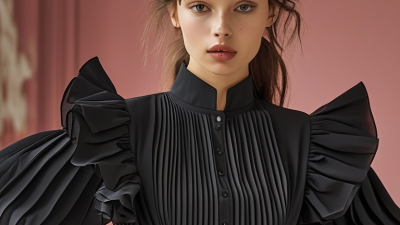
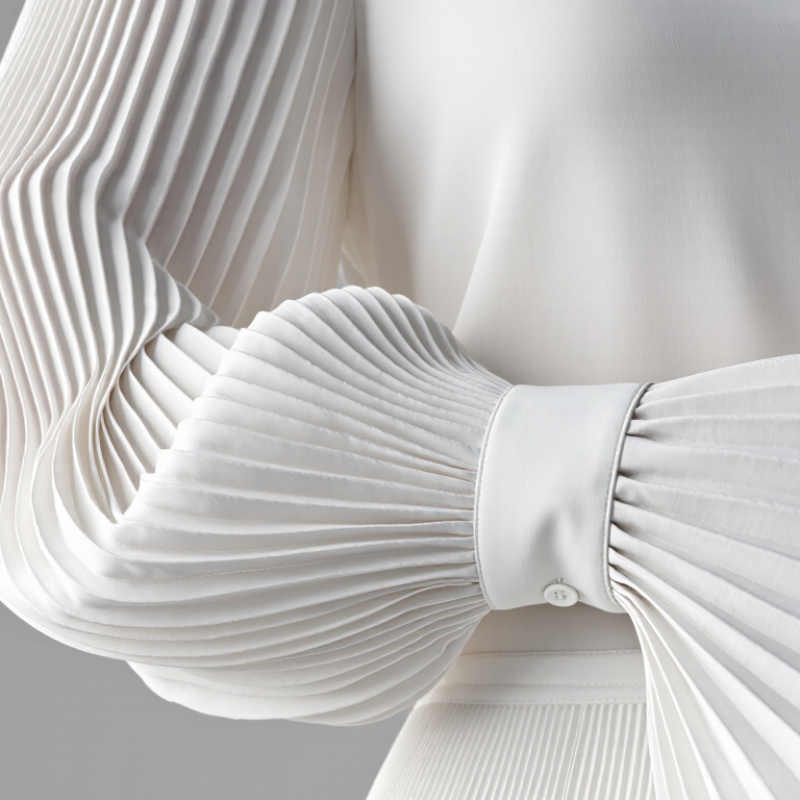
A Pleated Blouse Sleeve is a blouse sleeve shaped with folded fabric that creates controlled volume, texture, or movement. The pleats may run vertically, gather near the shoulder, or open toward the cuff. Some designs use knife pleats. Others use box pleats, accordion pleats, or soft release pleats. The difference is visible in the fabric’s rhythm. Imagine fine folds opening as the wearer lifts an arm.
This detail matters because sleeve construction affects comfort, silhouette, and fabric consumption. A fashion technologist usually checks pleat depth, spacing, pressing direction, seam placement, and cuff balance. Lightweight cotton may hold narrow pleats crisply. Silk blends often create a softer, less predictable fall. The same pattern can look architectural in taffeta but relaxed in washed linen. Small decisions change the result.
Industry data also explains why this detail deserves attention. Grand View Research’s apparel market analysis projects continued global market growth through 2030, with design differentiation remaining commercially important. McKinsey and The Business of Fashion’s State of Fashion 2025 reports continued pressure on fashion brands to improve value, relevance, and product clarity. A distinctive sleeve can support that clarity, but decoration alone is not enough. It must wear well.
The definition is useful, but not perfect. A sleeve may appear pleated while using gathers, tucks, or elastic shaping instead. Construction evidence matters more than appearance. In this guide, we examine the structure, variations, styling value, and practical identification of a Pleated Blouse Sleeve. Expect technical detail, but not absolute rules. Fashion keeps testing them.
Definition and Key Features of a Pleated Blouse Sleeve
What Is a Pleated Blouse Sleeve?
Definition and Key Features of a Pleated Blouse Sleeve
A pleated blouse sleeve is a sleeve shaped with folded fabric. These folds create controlled volume, movement, and visual texture. The pleats may begin at the shoulder, cuff, or sleeve opening. They can face inward, outward, or alternate in a regular pattern. Unlike gathers, pleats use deliberate folds with clearer structure. This distinction affects both appearance and comfort.
Key features include fold depth, spacing, direction, and placement. A narrow pleat gives a crisp, tailored effect. Wider pleats create softer volume and stronger movement. Designers must also consider fabric weight. Lightweight cotton, silk, and rayon show delicate folds. Heavier fabrics produce larger, more architectural shapes. The cuff often controls the final silhouette. A fitted cuff can make the upper sleeve look fuller.
There is a practical issue. Pleats can lose definition after washing or pressing. Testing the fabric before production is essential. The 2024 Textile Exchange Materials Market Report states that global fiber production reached 124 million tonnes in 2023. It may reach 160 million tonnes by 2030. This growth makes material efficiency increasingly important. A carefully planned pleated sleeve can use fabric attractively, but excessive volume may increase consumption. European Environment Agency research also identifies clothing durability as an important sustainability factor. In practice, strong pleat recovery matters as much as appearance. A beautiful sleeve that collapses quickly is not fully successful.
How Pleats Are Structured and Arranged on the Sleeve
What Is a Pleated Blouse Sleeve?
How Pleats Are Structured and Arranged on the Sleeve
A pleated blouse sleeve is shaped by folding fabric into repeated lines. Each fold has a defined depth, direction, and release point. Knife pleats face one direction, while box pleats open from a central ridge. Inverted pleats hide their folds inside. Sunburst pleats gradually widen toward the cuff.
The arrangement controls movement and visual balance. Even spacing creates a calm, tailored effect. Uneven spacing adds volume near the shoulder or elbow. During garment development, I check pleat alignment across the armhole, because small errors become obvious when the sleeve bends. Pressing direction matters too. A sharp crease can support structure, but excessive heat may flatten textured fabrics.
Fabric choice changes the result. A lightweight woven cloth produces softer folds, while a firmer fabric holds deeper pleats. According to Textile Exchange’s 2024 Materials Market Report, global fiber production reached about 124 million tonnes in 2023. That scale makes thoughtful construction important, especially when a sleeve uses extra fabric. WRAP’s Valuing Our Clothes report found that extending clothing life by nine months can reduce carbon, water, and waste footprints by about 20–30%. Durable pleats may support that goal, but only when stitching and pressing withstand repeated care.
Not every pleat behaves perfectly. A sample can look precise on a table, then twist during wear. That weakness deserves another fitting, not a decorative excuse. Designers should test recovery, seam stress, and laundering before approving the final sleeve.
Common Pleat Types Used in Blouse Sleeve Design
A pleated blouse sleeve uses folded fabric to create controlled volume, movement, and texture. The pleat type strongly changes the sleeve’s silhouette. A knife pleat folds in one direction, giving cuffs and short sleeves a crisp, tailored rhythm. It works well with lightweight cotton or linen.
Box pleats place two folds away from each other, creating a flatter, structured shape. Inverted box pleats turn the folds inward, which can reduce visual bulk near the shoulder. Accordion pleats create repeated, narrow folds and expand beautifully during movement.
Sunburst pleats spread from one point, often near the sleeve cap or cuff. They add drama, but they demand accurate pressing and careful grain control. Cartridge pleats create rounded fullness and suit historical or romantic blouse shapes, although they can feel heavy in stiff fabric.
Textile Exchange’s 2024 Materials Market Report recorded global fiber production at about 124 million tonnes in 2023. That figure reinforces a practical design lesson: fabric planning matters. Excessive fullness can increase consumption and reduce comfort. My fitting experience suggests testing pleats in the final fabric, not only in calico. Calico may hide collapse, shine, or stiffness.
Tips:
Match pleat depth to fabric weight. Keep knife pleats narrow for fluid cloth. Press lightly first. A perfect rule does not exist. Check arm mobility before approving the final sleeve. Wider pleats may look attractive, yet they can pull across the upper arm.
Materials and Construction Methods for Pleated Sleeves
What Is a Pleated Blouse Sleeve?
A pleated blouse sleeve uses folded fabric to create controlled volume, texture, or movement around the arm. The folds may run vertically, radiate from the sleeve cap, or gather near the cuff. Material choice changes the result. Lightweight cotton lawn gives crisp pleats, while silk or viscose creates softer, less predictable folds. According to Textile Exchange’s Materials Market Report 2024, global fiber production reached 124 million tonnes in 2023, with polyester representing about 57 percent. This scale makes fiber selection a practical design responsibility, not merely an aesthetic decision.
Construction begins with a paper pattern that includes pleat intake. A 2:1 fabric ratio is a useful starting point, but it is not universal. For example, a 40-centimeter finished sleeve may require 80 centimeters of pleated fabric. The maker should test pleat depth, pressing temperature, and stitch tension on scraps first. Heat-set synthetic fibers can hold sharp folds, while natural fibers often need temporary basting or narrow topstitching. Cotton can crease beautifully. It can also relax after washing.
The sleeve cap needs careful control. Too many pleats create bulk under a jacket, while insufficient ease restricts movement. A sleeve-head measurement should be checked against the armhole before final sewing. The Sustainable Apparel Coalition’s Higg Materials Sustainability Index evaluates material impacts across several environmental categories, reminding designers that softness and appearance do not reveal a fabric’s full footprint. In practice, I would question any sample judged only from a mannequin. It may look balanced but pull during movement. A simple wear test can expose that flaw.