Leave Your Message

Why Choose Pleat Sleeve for Global Sourcing?

Why Choose Pleat Sleeve for Global Sourcing?

Global packaging buyers face rising costs, tighter delivery windows, and stronger sustainability expectations. Pleat Sleeve offers a practical response for products requiring flexible branding around curved or irregular containers. Its pleated structure can improve label coverage without forcing excessive material stretch. That detail matters when a bottle has deep shoulders, narrow necks, or textured surfaces.

The opportunity is substantial. Smithers’ report, The Future of Global Packaging to 2028, forecasts the global packaging market will exceed $1.3 trillion by 2028. McKinsey’s 2023 sustainability survey found that 60–70% of consumers may pay more for sustainable packaging. These figures support careful sourcing decisions, not automatic material upgrades. Packaging expert David Luttenberger, Global Packaging Director at Mintel, describes packaging as “the silent salesman.” A well-fitted Pleat Sleeve can communicate brand color, product information, and shelf presence from several viewing angles.

There is more to evaluate. Buyers should compare film structure, print quality, sealing performance, application speed, and regional recycling systems. A sleeve that performs well in one market may create problems elsewhere. Request production samples. Test them on actual filling lines. Check scuffing after transport, especially around folded pleats and seams. Confirm whether local facilities can process the selected material.

Pleat Sleeve is not a universal solution. It can reduce design limitations, but its environmental value depends on substrate choice, ink systems, package compatibility, and end-of-life recovery. Reported market figures are directional, not guarantees. The strongest sourcing strategy combines supplier audits, transparent specifications, and real-world trials before large-volume purchasing.

Why Choose Pleat Sleeve for Global Sourcing?

What Is a Pleat Sleeve and How Does Its Design Work?

A pleat sleeve is a flexible cover shaped with folded panels, or pleats, along its sides. These folds let the sleeve expand around products with different widths. When compressed, the pleats close neatly. When filled, they open and create extra internal space.

The design usually begins with scored lines in paperboard, film, or another suitable material. Each score guides the fold and helps the sleeve keep its shape. Flat panels provide printing space, while the folded edges add structure and protection. In practical sourcing work, I check the crease depth, material thickness, opening size, and sealing method. A small measurement error can cause tearing or a loose fit. It is not magic.

For global sourcing, consistent specifications matter more than attractive samples. Request a dimensional drawing, material declaration, compression test, and pre-production sample. Test the sleeve with the actual product, including humid storage and transport handling.

Ask how suppliers control pleat alignment across production batches. Tips: Measure both the closed and expanded widths. Keep tolerance ranges realistic. Confirm recyclable materials and local packaging requirements before ordering. I have found that the cheapest sleeve often needs stronger folds, which can increase waste and total cost. A careful review may feel slow, but it prevents expensive rework later.

Which Garments and Markets Commonly Use Pleat Sleeves?

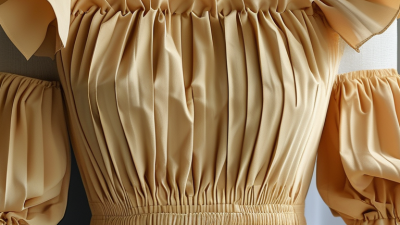
Pleat sleeves are common in blouses, dresses, lightweight jackets, and relaxed shirts. Their folded volume creates movement around the shoulder or cuff. This detail works well in women’s fashion, modest clothing, children’s wear, and occasion garments. Markets with warm climates often choose breathable fabrics with soft pleats. Cooler regions may prefer structured pleats on cotton twill, wool blends, or recycled polyester.

In factory fitting reviews, sleeve balance needs careful attention. A pleat can improve comfort, but excessive fullness may look bulky on smaller frames. I have seen beautiful samples lose shape after washing. Fabric recovery, pressing quality, and stitch control matter greatly. Buyers should compare the sleeve after steaming, not only on a flat table. Global sourcing teams also need to check size grading across markets. A sleeve that fits one customer group may feel restrictive elsewhere.

Tips: Request a pleat sample in the final fabric. Measure the sleeve opening after washing. Confirm pressing instructions with the supplier. Review photos from several body sizes. Keep the design practical. A low-cost pleat is rarely a reliable pleat.

How Do Pleat Sleeves Improve Style, Comfort, and Function?

Pleat sleeves improve style by adding controlled volume around the shoulder and upper arm. They create movement without relying on heavy decoration. A narrow box pleat can sharpen a shirt silhouette. A soft knife pleat can make a lightweight dress feel more fluid. During fittings, I check arm lift, elbow bend, and sleeve recovery. Small details matter. If the pleat opens too widely, the garment may look oversized or feel awkward.

Comfort depends on placement, fabric, and depth. A pleat near the shoulder can provide extra reach during commuting, desk work, or active movement. However, poor pressing can create bulk under a jacket. Uneven stitching can also distort the sleeve after washing. The design is not automatically better. That assumption can fail. Global suppliers should request graded patterns, seam-strength tests, and wash samples before production approval. These steps reduce surprises across different factories and fabric lots.

Function also connects with responsible sourcing. Textile Exchange’s Materials Market Report 2024 states that global fiber production reached 124 million tonnes in 2023 and may reach 160 million tonnes by 2030. Better sleeve construction should support longer wear, not only visual novelty. WRAP’s clothing durability research reports that extending a garment’s life by nine months can reduce carbon, water, and waste footprints by about 20–30%. A well-engineered pleat can help preserve comfort after repeated use. Yet suppliers should still test shrinkage, colorfastness, and pleat retention. Sometimes, simpler shaping performs better.

What Should Buyers Assess When Sourcing Pleat Sleeves Globally?

When buyers source pleat sleeves globally, the main question is not only price. It is whether the sleeve performs consistently after cutting, sewing, washing, and delivery. Ask suppliers for fabric composition, finished measurements, pleat depth, seam allowance, and shrinkage data. Request a physical sample, not only polished photographs. In real production, small pleat differences can change the garment’s balance. Check the sleeve on a mannequin and on a moving wearer. Both matter. A clear technical sheet reduces guesswork between teams.

Reliable sourcing also depends on process evidence. Review production experience, inspection methods, packing details, and realistic lead times. Ask how workers control pleat direction and prevent crushing during transport. A capable supplier should explain tolerances in measurable terms, such as plus or minus two millimeters. Vague promises sound friendly, but they are difficult to audit. I have found that repeated sample checks reveal more than one impressive prototype. Still, even careful reviews can miss fabric behavior in humid conditions. That weakness deserves testing, not denial.

Tips: Compare at least two pre-production samples. Measure ten sleeves from one batch. Photograph the pleats under the same light. Confirm color, hand feel, and recovery after washing. Keep approval records signed by both sides. Allow time for corrections; rushed approval often creates expensive rework. Also assess communication speed and clarity. A low quote is not a reliable advantage when important questions remain unanswered.

How Can Businesses Manage Quality, Cost, and Supply Risks?

Why Choose Pleat Sleeve for Global Sourcing?

Global sourcing of pleat sleeves can improve garment movement, but it also exposes buyers to uneven workmanship. In factory audits, small pleats often reveal larger process problems. Unequal spacing, loose threads, and pressed marks may appear after washing. A reliable sourcing plan starts with a measurable technical pack. It should define pleat depth, fold direction, seam allowance, fabric grain, and tolerance. Keep records. A simple sample sheet helps production teams compare the approved piece with each batch.

Quality control works best at several points, not only before shipment. Inspect fabric rolls for shrinkage and color variation before cutting. During sewing, check ten sleeves per production line every few hours. Use photos, measurements, and signed inspection logs. This evidence supports fair discussions when defects appear. An independent inspection can add objectivity when buyers lack local staff. Still, inspections are not magic. Sampling may miss a recurring fault.

Cost control requires more than choosing the lowest unit price. Request a full quotation covering fabric waste, pleating, pressing, packaging, freight, and rework. Compare landed cost, not factory price alone. Dual sourcing can reduce delays during port congestion or material shortages. Maintain a small approved reserve of fabric where practical. It costs space. It may protect delivery. Review supplier capacity before seasonal peaks, and test a backup pattern maker early. I once treated a promised lead time as fact; one machine failure disrupted the schedule. That mistake made capacity evidence essential. Ask for maintenance records, realistic output, and recovery plans.

Why Choose Pleat Sleeve for Global Sourcing? - How Can Businesses Manage Quality, Cost, and Supply Risks?

Indicative sourcing benchmarks for comparing pleat-sleeve programs with standard-sleeve programs

Sourcing Dimension Pleat Sleeve Benchmark Standard Sleeve Benchmark Main Business Impact Recommended Control
Fabric consumption Typically 3%–8% higher when the pleat requires additional sleeve fullness Baseline consumption Higher material cost and greater exposure to fabric price changes Approve a graded marker and fabric-consumption report before bulk ordering
Sewing complexity Usually 1–3 additional operations for pleat formation, positioning, and securing Fewer construction steps and simpler operation sequence Potentially higher labor content and longer production lead time Request a process flow, operation breakdown, and approved sewing sample
Indicative sewing time Approximately 8–14 standard minutes per sleeve area, depending on construction Approximately 6–11 standard minutes per sleeve area Affects labor costing, line balancing, and factory capacity planning Use time-study data from the actual style rather than relying only on an initial quotation
Quality sensitivity Higher sensitivity to pleat spacing, depth, symmetry, and pressing consistency Generally fewer visual alignment points More appearance-related defects may lead to rework or rejection Define measurable tolerances, such as pleat position ±0.3 cm and depth ±0.2 cm
Sampling requirements At least one development sample, one fit sample, and one pre-production sample are advisable The same stages may be used, with fewer pleat-specific checks More sample iterations can extend approval time Set sample approval deadlines and record measurements, photographs, and construction comments
Small-order suitability Suitable for small or medium runs when the factory already has pleating and pressing capability Generally easier to place in low-volume production Special handling may increase setup cost on small orders Confirm minimum order quantity, setup charges, and line availability in writing
Lead-time planning Allow approximately 5%–15% more production time when pleat work is manual Usually closer to the factory’s standard sewing lead time Late approvals or rework can affect shipping windows Reserve time for sample approval, pilot production, inspection, and corrective action
Material risk More dependent on fabric recovery, pressing behavior, shrinkage, and color consistency Usually less dependent on permanent shape retention Poor fabric performance can distort pleats after washing or wear Perform dimensional stability and wash tests before bulk production
Inspection focus Pleat alignment, fullness, pressing marks, puckering, seam slippage, and sleeve balance General measurements, seams, workmanship, and appearance Defect classification must include style-specific visual criteria Use a pre-shipment inspection with approved reference samples and measurement records
Cost structure Unit cost may rise due to fabric usage, labor, pressing, and quality-control requirements Usually lower construction complexity and fewer special operations Lowest quoted price may not represent the lowest total landed cost Compare fabric, labor, sampling, inspection, rework, freight, and defect allowances separately
Supply continuity Risk increases if only one qualified facility can maintain the required pleat finish More factories may be able to produce the basic construction A production interruption may be harder to transfer quickly Qualify a secondary facility and retain approved patterns, measurements, and process standards
Risk-management priority Control appearance consistency, fabric performance, capacity, and rework risk Focus mainly on standard workmanship, delivery, and material compliance Aesthetic differentiation must be balanced against operational complexity Use a documented technical package, pilot run, inspection plan, and supplier scorecard
Planning note: The ranges above are indicative apparel-production benchmarks. Actual results vary by fabric type, garment construction, order quantity, country, factory capability, automation level, and quality standard. Validate all figures with style-specific samples, time studies, consumption markers, and pre-production testing.