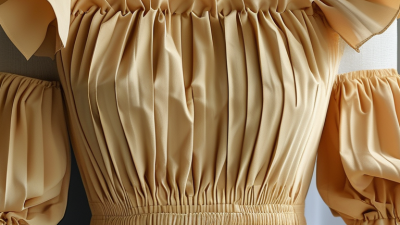
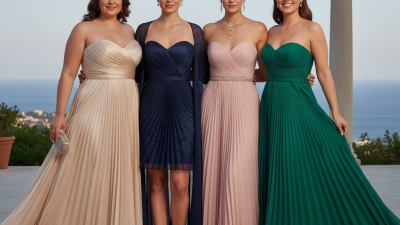
How to Source Pleat Sleeve Blouses Globally?
Sourcing a Pleat Sleeve blouse globally requires more than finding a supplier with attractive photographs. The buyer must examine pleat stability, fabric recovery, stitching quality, grading accuracy, and production consistency. A sleeve may look elegant on a sample but collapse after washing. Small details matter.
Issey Miyake, a leading authority on pleated fashion, famously said, “I make clothes, not fashion.” His principle encourages buyers to study the garment itself, not only seasonal trends. For Pleat Sleeve development, that means requesting physical samples, measuring sleeve volume, and checking how the pleats behave during movement. Ask for fabric composition, pleat-setting methods, shrinkage results, minimum order quantities, and realistic lead times. Do not rely on vague promises.
Global sourcing also involves comparing manufacturing regions, communication standards, inspection systems, and shipping conditions. A supplier’s factory profile is useful, but it is not proof of reliable output. Verify the details.
A practical sourcing process should connect design, costing, quality control, and ethical production. It should also leave space for doubt. No sourcing map is flawless. One overlooked issue, such as uneven cuff tension, can affect an entire shipment. That gap matters.
This guide explains how to identify capable Pleat Sleeve blouse suppliers, assess samples, negotiate responsibly, and reduce avoidable production risks. It focuses on evidence, repeatable checks, and clear communication. Good sourcing is not simply cheaper sourcing. It is controlled decision-making, with room to improve.
Define Pleat-Sleeve Blouse Specs with ASTM Measurements and HS 6206 Codes
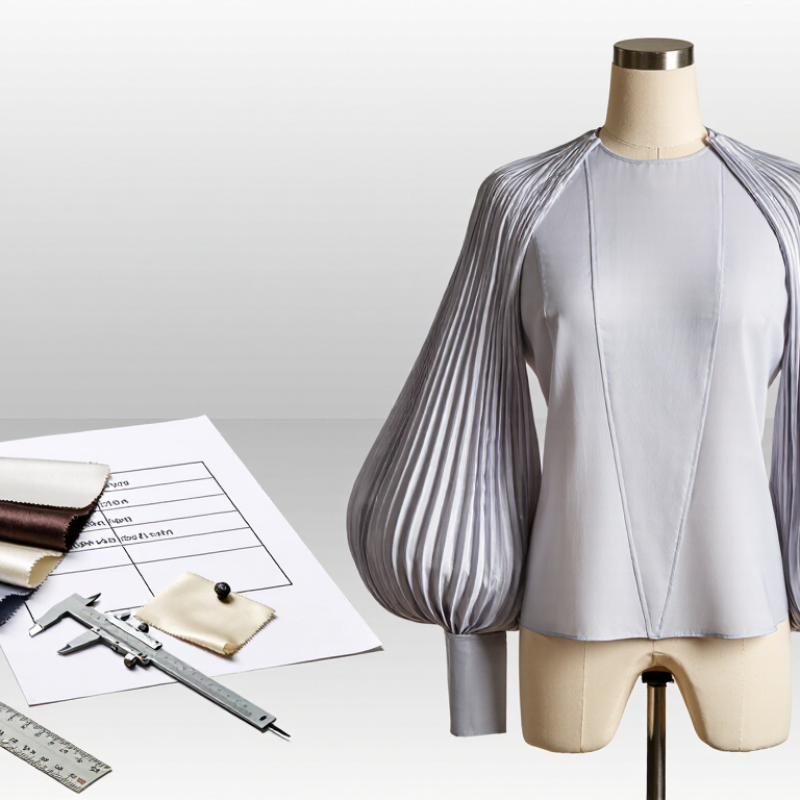
Sourcing pleat-sleeve blouses globally starts with a precise product definition. Describe the sleeve architecture clearly: pleat count, pleat depth, opening direction, cuff width, and attachment point. Record measurements after washing, not only before production. This matters because pleats can relax or shift.
Build a measurement sheet using consistent ASTM apparel sizing practices, including bust, shoulder width, sleeve length, cuff opening, body length, and armhole depth. State the tolerance for every point, such as ±0.5 cm for key dimensions. Use a flat garment and a calibrated ruler. Take photos beside the measuring points. A simple sketch prevents costly interpretation errors. Still, one weakness remains: different factories may measure curved seams differently.
For trade documentation, HS 6206 generally covers women’s or girls’ blouses, shirts, and shirt-blouses made from textile fibers. The final tariff subheading may depend on fiber content, construction, and the importing country’s tariff schedule. Confirm the code with a qualified customs professional before shipment. Include the fiber percentage, woven or knitted construction, garment category, and country of origin in your documents. Do not rely on a supplier’s code alone. A pre-production sample, measurement report, and classification review create stronger sourcing evidence, although they cannot remove every customs risk.
Global Pleat-Sleeve Blouse Sourcing: ASTM-Aligned Measurement Targets
Sample specification for a women's pleat-sleeve blouse potentially classified under HS 6206 when it is not knitted or crocheted. Measurements are finished-garment targets in centimetres; the tolerance bands support factory inspection and should be confirmed against the approved size chart.
The chart compares the target measurement with the lower and upper inspection limits. Use ASTM body-measurement guidance for fit development, then apply the buyer’s finished-garment measurements, construction details, fiber content, and customs review before confirming HS 6206.
Compare FOB Costs, Duties, and Freight under Incoterms 2020
How to Source Pleat Sleeve Blouses Globally?
When sourcing pleat sleeve blouses, compare landed cost instead of FOB price alone. FOB pricing usually includes fabric, sewing, pressing, packing, and delivery to the export port. Under Incoterms 2020, the seller loads the goods onboard the vessel. Risk transfers to the buyer at that point. The buyer arranges ocean freight, insurance, import clearance, duties, and inland delivery. FOB applies to sea or inland waterway transport, not every shipping method.
Ask each supplier for the same specifications. A useful request includes 1,000 pieces, carton dimensions, gross weight, port location, and production lead time. Then compare FOB against FCA or CIF quotations. FCA may suit container shipments collected before vessel loading. CIF includes freight and minimum insurance, but destination charges remain payable by the buyer. A low CIF offer can hide expensive handling fees. It happens.
Duties depend on the correct HS classification, fiber composition, declared value, and country of origin. Confirm these details with a licensed customs broker before placing the order. Freight also changes with season, route, container availability, and fuel charges. For example, 1,000 blouses may fill only part of a container, making LCL freight attractive but increasing handling risks. Build a spreadsheet with FOB value, export charges, freight, insurance, duty, taxes, port fees, and final delivery. My earlier estimates focused too heavily on unit price. That mistake made the “cheapest” supplier more expensive after customs. Allow a contingency for inspection, rework, or delayed documents. Some sourcing plans still look precise, but international costs rarely behave perfectly.
Verify Samples and Production with ISO 2859-1 AQL 2.5 Inspections
Sourcing pleat sleeve blouses globally requires more than comparing supplier prices. Fabric weight, pleat recovery, sleeve symmetry, and seam strength can change between samples and bulk production. I request a pre-production sample with approved measurements, color references, care labels, and packaging details. The inspector checks the blouse on a flat table, measures sleeve openings, and examines pleats under direct light. Small issues matter. Uneven folds can make a blouse look poorly finished.
For production, I use an ISO 2859-1 sampling plan with an agreed AQL 2.5 limit. The inspector selects cartons randomly, rather than checking only the best pieces. The inspection covers appearance, workmanship, measurements, labeling, packing, and visible stains or damage. Critical safety concerns should remain unacceptable, while major and minor defects need clearly defined limits in the purchase agreement. AQL 2.5 does not mean every item is perfect. It describes an acceptance decision for a sampled lot.
Experience shows that inspection timing matters. A final inspection may reveal problems too late, especially when rework requires new fabric or shipment delays. In-process checks can catch incorrect pleat spacing before hundreds of blouses are completed. I also compare inspection photos with the approved sample, though photos sometimes hide fabric shine and soft color differences. That limitation needs honest discussion, not optimistic assumptions.
Assess Suppliers Using OEKO-TEX, ISO 9001, and Lead-Time Data
How to Source Pleat Sleeve Blouses Globally?
Sourcing pleat sleeve blouses requires more than comparing unit prices. I review fabric safety, stitching quality, and delivery evidence together. OEKO-TEX documentation is a useful starting point for checking harmful substances in fabrics, dyes, and trims. However, a certificate alone is not enough. I verify its validity, product scope, issuing body, and covered materials. I also request a recent laboratory report for the exact blouse fabric. Small differences matter.
Quality systems reveal how consistently a supplier works. ISO 9001 certification can indicate documented procedures, inspection records, and corrective actions. During supplier audits, I ask for measurement charts, seam-strength checks, and pleat recovery tests. A blouse may look attractive on a sample table but fail after washing. That happened in one evaluation. The pleats softened, and the sleeve shape changed. The mistake was trusting appearance over testing.
Lead-time data must come from records, not optimistic promises. I compare sampling time, fabric booking, cutting, sewing, inspection, and shipping separately. A practical supplier should provide dates from several recent orders. I calculate the average and examine delays during peak seasons. Leave space for rework. Usually, I add a small buffer for fabric approval and port congestion. It is imperfect, but safer than planning against the fastest shipment. Suppliers who explain delays clearly often prove more reliable than those offering unrealistically short schedules.