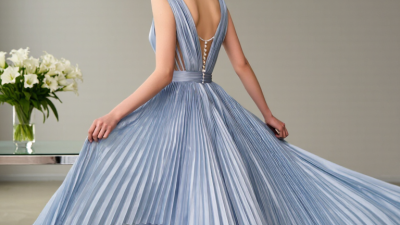
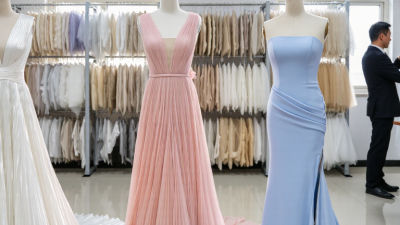
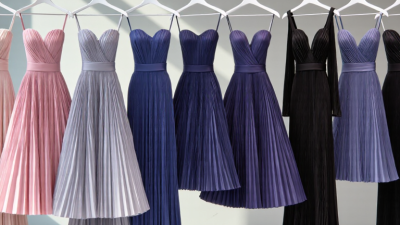
Pleated Formal Dress is entering 2026 with stronger commercial relevance across occasionwear, bridal events, hospitality, and premium retail. The Business Research Company’s Formal Wear Global Market Report 2025 identifies continuing growth in formalwear demand, supported by social events, professional occasions, and changing consumer preferences. McKinsey and The Business of Fashion’s State of Fashion reports also emphasize value, versatility, and product differentiation as major fashion priorities. These findings matter to global buyers.
Pleats offer visible movement, controlled volume, and practical visual interest. A soft accordion pleat can catch evening light, while knife pleats create a sharper silhouette for corporate receptions. Buyers should examine fabric recovery, seam stability, lining quality, and size grading before placing large orders. Small details become expensive problems.
Issey Miyake remains an influential authority in modern pleated design. His widely cited statement, “Design is not for philosophy—it’s for life,” reflects the strongest commercial lesson for this category. A dress must photograph well, move comfortably, and survive repeated handling. Beauty alone is insufficient.
The 2026 market will likely reward adaptable styles, including midi lengths, modest necklines, detachable sleeves, and recycled polyester blends. However, available industry reports generally measure formalwear or apparel overall, not Pleated Formal Dress alone. That limitation deserves attention. Buyers should validate forecasts through regional sell-through data, customer fittings, and supplier audits. Trends can mislead. A beautiful sample may still fail under real shipping, lighting, or laundering conditions. This guide examines the leading styles, construction choices, and sourcing considerations shaping global purchasing decisions in 2026.
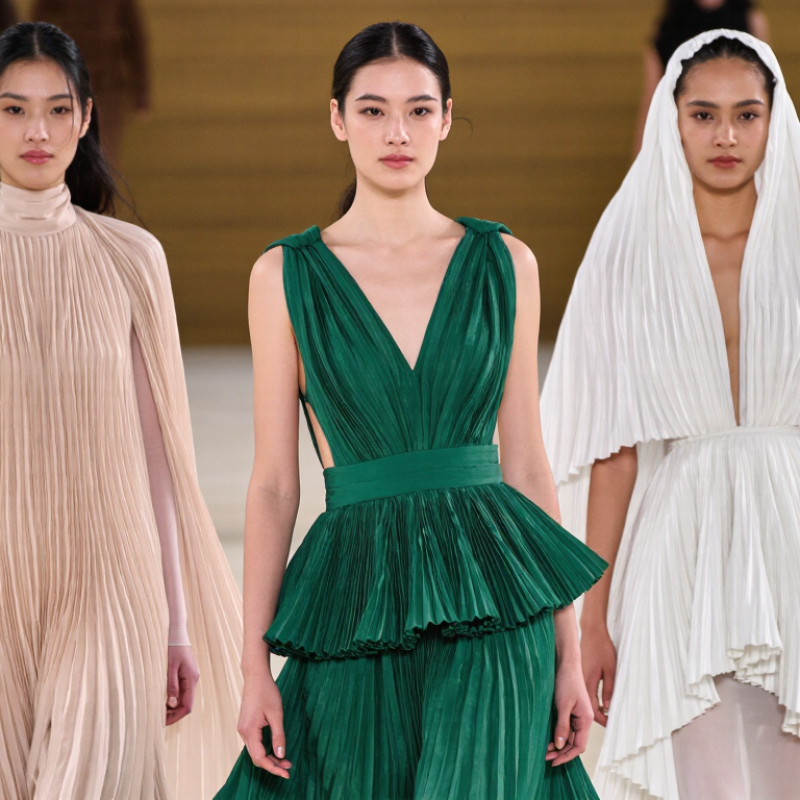
In 2026, pleated formal dresses are moving beyond decoration. Global buyers increasingly define them through movement, structure, and verified wearability. Fine knife pleats create a clean vertical rhythm, while accordion pleats add controlled volume. Sunburst pleats remain useful for evening silhouettes and flexible sizing. The strongest designs balance visual drama with comfortable recovery after sitting. This matters at weddings, receptions, hotel events, and formal workplace occasions. From sourcing experience, buyers now inspect pleat memory, seam stability, and lining behavior before approving samples. A beautiful sample can fail after one packed shipment. That lesson still needs repeating.
Market definition also includes measurable quality. Buyers should request fabric composition, care instructions, shrinkage results, colorfastness data, and size specifications. Recycled synthetics, lightweight satin blends, and fluid woven fabrics are common choices in 2026. Yet sustainability claims require evidence, not attractive wording. Regional climates influence decisions. Breathable linings suit humid markets, while heavier construction supports cooler formal seasons. Digital fitting tools help, but they do not replace physical samples. The waist may fit accurately while pleats pull unevenly across the hips. That small defect changes the entire impression. Some assumptions deserve another fitting.
Tips: Ask for a full-length sample in the target size. Test sitting, walking, and gentle folding. Photograph pleats under natural light. Check whether hems hang evenly. Confirm grading across every size, not only the sample size. Keep color cards beside fabric swatches. They can reveal subtle mismatch.
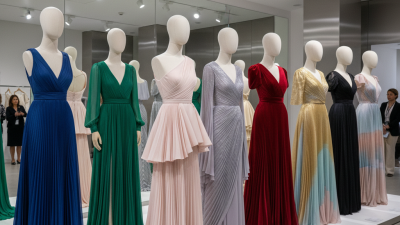
Pleats are not merely decorative lines; they control movement, volume, and the perceived proportion of a formal dress. Knife pleats create a clean, directional rhythm. They can make a skirt appear longer and slimmer, especially in matte fabrics. Accordion pleats expand evenly, producing fluid motion when the wearer walks. They suit chiffon, lightweight satin, and other fabrics with good recovery.
Box pleats offer structured volume and a stronger silhouette. They work well for buyers seeking modest, architectural eveningwear. However, heavy box pleats can widen the hip area if the placement is too low. Sunburst pleats radiate from the waist, guiding the eye downward. This effect can emphasize the waist while adding controlled fullness at the hem. The result is dramatic, but not always easy to pack or press.
Textile Exchange’s Materials Market Report 2024 recorded global fiber production at 124 million tonnes in 2023. It projects production could reach 160 million tonnes by 2030. This growth makes material efficiency increasingly important for global buyers. Pleat depth, fabric weight, and cutting loss deserve early sampling. In practical development, recycled polyester often holds sharp pleats well, while viscose can offer softer movement. Yet performance varies by finish and heat setting. Data helps, but real fabric testing remains essential. A beautiful sample may still fail after shipping, steaming, or repeated wear.
For global buyers, pleated formal dresses should answer different customer needs, not follow one runway mood. The 2025 State of Fashion report identifies value sensitivity as a major purchasing influence. This supports versatile designs with adjustable belts, removable shoulder details, and washable pleats.
Buyers serving conservative markets may prefer high necklines, longer sleeves, and full-length skirts. Occasion retailers can select sharper V-necks, asymmetric pleats, and softly structured bodices.
Small details matter.
Size flexibility is equally important. Offer petite, regular, and extended-length options, because pleats can distort quickly when grading is poor. A 2024 Textile Exchange report recorded polyester at about 57% of global fiber production in 2023. Recycled polyester represented roughly 12% of polyester output.
Buyers seeking lower-impact collections may therefore request recycled content, fabric certificates, and clear care labels. These claims still need verification.
A recycled label alone proves little.
Wholesale customers also need practical color planning. Black, navy, burgundy, and soft champagne usually support formal demand across several regions. Pastel blue and dusty rose can attract spring-event buyers, but seasonal leftover risk remains.
The 2025 ThredUp Resale Report projected the global secondhand apparel market could reach 367 billion dollars by 2029. Durable stitching, replaceable lining, and timeless pleat layouts may improve resale appeal.
This is not guaranteed. Some buyers still choose dramatic designs that photograph well, even when storage becomes difficult.
2026 Top Pleated Formal Dress Styles for Global Buyers
Wholesale buyers should treat fabric, color, and fit as one commercial decision. Textile Exchange’s Materials Market Report 2024 recorded 124 million tonnes of global fiber production in 2023. Polyester represented about 57% of total output. Lightweight recycled polyester can hold narrow pleats and reduce shipping weight. However, recycled content needs supplier verification. Test recovery after steaming, compression, and twelve-hour hanging. A sample may look elegant. It can still relax too quickly.
Color planning requires regional evidence, not only seasonal forecasts. McKinsey’s State of Fashion 2025 highlights continued consumer sensitivity to value and product longevity. Therefore, core shades such as black, navy, champagne, and muted green can support broader wholesale demand. Add one stronger seasonal color for controlled risk. Fit should include adjustable waist panels, stable shoulder seams, and lining that prevents clinging. Compare measurements across at least three target markets. A single grading rule may create avoidable returns.
Tips: Request fabric composition, pleat-recovery results, colorfastness records, and shrinkage data before bulk approval. Ask for photos under daylight and indoor lighting. Review size samples on different body shapes. Keep a small tolerance for hand-finishing differences. Perfect uniformity is not always realistic. Overlooking this can damage buyer trust.
| Dress Style | Best Occasion | Recommended Fabric | Pleat Structure | Core Color Choices | Fit Profile | Available Sizes | Wholesale MOQ | Typical Wholesale Weight |
|---|---|---|---|---|---|---|---|---|
| Pleated A-Line Midi Dress | Daytime weddings, receptions, business events | Polyester georgette Polyester lining | Fine knife pleats from waist to hem | Dusty rose, navy, sage, champagne, black | Defined waist with gently flared skirt | XS–3XL | 50 pieces per color | Approx. 420–560 g |
| Pleated Wrap-Front Dress | Formal dinners, cocktail events, evening receptions | Polyester satin Stretch lining | Directional waist pleats with soft skirt pleats | Emerald, burgundy, midnight blue, ivory | Adjustable wrap appearance with waist definition | XS–2XL | 60 pieces per color | Approx. 480–650 g |
| Pleated Halter Maxi Dress | Black-tie weddings, resort ceremonies, gala dinners | Polyester chiffon Viscose lining | Vertical micro-pleats with flowing maxi skirt | Black, silver grey, deep teal, mauve | Fitted bodice with long, fluid silhouette | XS–3XL | 40 pieces per color | Approx. 500–700 g |
| Pleated One-Shoulder Dress | Evening parties, formal celebrations, cocktail receptions | Polyester crepe Polyester lining | Sunray pleats from an asymmetric shoulder seam | Ruby, cobalt, black, cream | Asymmetric neckline with a close-to-body fit | XS–2XL | 50 pieces per color | Approx. 450–620 g |
| Pleated Column Dress | Corporate galas, award ceremonies, formal dinners | Polyester crepe Elastane blend | Fine vertical pleats with controlled stretch | Charcoal, navy, forest green, black | Streamlined column shape with moderate ease | XS–3XL | 60 pieces per color | Approx. 520–680 g |
| Pleated Empire-Waist Dress | Maternity-friendly formalwear, garden weddings, daytime events | Polyester chiffon Soft jersey lining | Fine pleats below the bust with a relaxed skirt | Lavender, blush, powder blue, soft olive | Raised waistline with generous body ease | S–3XL | 40 pieces per color | Approx. 430–580 g |
| Pleated Blouson Dress | Business receptions, formal lunches, travel occasions | Polyester matte satin Polyester lining | Soft shoulder and waist pleats with a fluid skirt | Stone, navy, plum, dark teal | Relaxed upper body with elasticated or tie waist | XS–3XL | 50 pieces per color | Approx. 460–620 g |
| Pleated Fit-and-Flare Dress | Wedding guestwear, formal daytime ceremonies, celebrations | Polyester faille Polyester lining | Box pleats or accordion pleats from the natural waist | Coral, royal blue, ivory, black, eucalyptus | Fitted bodice with structured flared skirt | XS–2XL | 60 pieces per color | Approx. 550–750 g |
| Pleated High-Low Dress | Outdoor receptions, cruise events, semi-formal occasions | Polyester chiffon Lightweight lining | Vertical pleats with a shaped asymmetric hem | Peach, aqua, navy, mauve, black | Waist-defined fit with shorter front hem | XS–3XL | 50 pieces per color | Approx. 400–560 g |
| Pleated Long-Sleeve Dress | Autumn and winter weddings, formal office events | Polyester crepe Viscose-blend lining | Fine bodice pleats with softly gathered sleeves | Wine, dark olive, navy, graphite | Modest coverage with a gently shaped waist | XS–3XL | 50 pieces per color | Approx. 580–780 g |
| Pleated Tiered Maxi Dress | Destination weddings, evening resorts, cultural celebrations | Polyester chiffon Polyester lining | Fine pleats combined with two or three skirt tiers | Sand, terracotta, deep green, navy, black | Comfort fit with adjustable waist or back tie | XS–3XL | 40 pieces per color | Approx. 560–800 g |
| Pleated Satin Slip Dress | Evening parties, cocktail functions, formal dinners | Polyester satin Light stretch lining | Fine all-over pleating with a fluid drape | Champagne, bronze, black, rosewood, deep blue | Bias-inspired shape with adjustable shoulder straps | XS–2XL | 60 pieces per color | Approx. 380–540 g |
| Pleated Jacket-Style Dress | Business formal events, conferences, ceremonies | Polyester crepe Polyester suiting | Fine skirt pleats with structured upper-body panels | Black, navy, taupe, grey, burgundy | Tailored shoulder with defined waist and straight skirt | XS–3XL | 50 pieces per color | Approx. 650–900 g |
| Plus-Size Pleated Midi Dress | Wedding guestwear, formal lunches, celebration events | Polyester georgette Stretch lining | Vertical pleats designed to create a continuous line | Navy, berry, teal, black, muted floral tones | Comfort fit with a shaped or elasticated waist | XL–6XL | 40 pieces per color | Approx. 520–760 g |
| Modest Pleated Maxi Dress | Religious celebrations, formal family events, evening occasions | Polyester crepe Opaque polyester lining | Fine front pleats with full-length skirt and sleeves | Black, mocha, navy, sage, plum | Relaxed fit with high neckline and full coverage | XS–4XL | 40 pieces per color | Approx. 600–850 g |
| Wholesale planning reference: MOQ, garment weight, size availability, and color assortments are standard starting points for international orders and should be confirmed through a physical sample, measurement chart, fabric test, and final purchase specification before production. | ||||||||
For 2026, pleated formal dresses should be judged beyond surface appeal. Buyers need stable pleats, clean seam lines, and balanced fabric weight. Textile Exchange’s 2024 Materials Market Report estimated global fiber production at 124 million tonnes in 2023. Polyester represented about 57% of output. This highlights the need for traceable fiber content and responsible sourcing records.
Quality starts with measurable testing. Check pleat recovery after washing, colorfastness, seam strength, and fabric shrinkage. A practical supplier standard includes pre-production samples, size-set approval, and inspection before shipment. Small issues matter. Uneven pleats become obvious under event lighting. Some suppliers still approve samples too quickly, which is a mistake worth reviewing.
Sizing requires more than adding centimeters between grades. Use clear body measurements, finished garment measurements, and tolerance limits for every size. ISO 8559-1 offers a useful framework for defining body dimensions, but regional proportions still differ. Buyers should request fit samples on at least three body sizes. Record bust, waist, hip, shoulder, and dress length separately. Do not rely on one “standard” chart. It rarely fits everyone. Sourcing teams should also verify production capacity, audit documents, fiber declarations, and corrective-action records. A reliable partner explains limits honestly, rather than promising perfect consistency.