2026 Top Flared Pleated Trousers for Wholesale Buyers
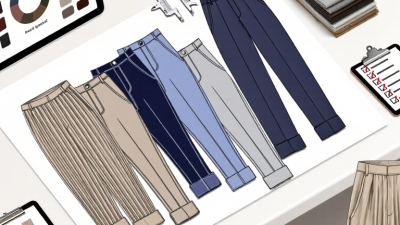
Flared Pleated Trousers are a considered wholesale choice for buyers balancing trend appeal with everyday wearability. Their shape is easy to recognize: front pleats add room through the waist and hips, while a widening leg creates movement below the knee. On a showroom hanger, the silhouette can look dramatic. On a customer, proportion and fabric decide whether it feels polished or overwhelming.
Fashion mentor Tim Gunn’s familiar advice, “Make it work,” offers a useful lens for evaluating this style. For buyers, that means checking the garment beyond the first impression. Look at pleat depth, waistband construction, pocket placement, and how the flare falls over shoes. A fabric swatch matters, too: a crisp cloth holds a sharper line, while a softer blend moves more freely. Ask suppliers for measurements across the size range and, where possible, a fit sample. Small grading differences can change the whole silhouette.
This guide examines leading options for 2026, with attention to construction, fabric, fit, and wholesale practicality. It is not enough to chase a striking look. Buyers also need consistent sizing, clear product details, and workable minimum order quantities. There are trade-offs. A wider hem may attract attention, but it can narrow the occasions when shoppers wear the trousers. A balanced cut may sell more steadily, though it can feel less distinctive. Real-world fit feedback should guide the final decision. Some buyers learn that lesson late.
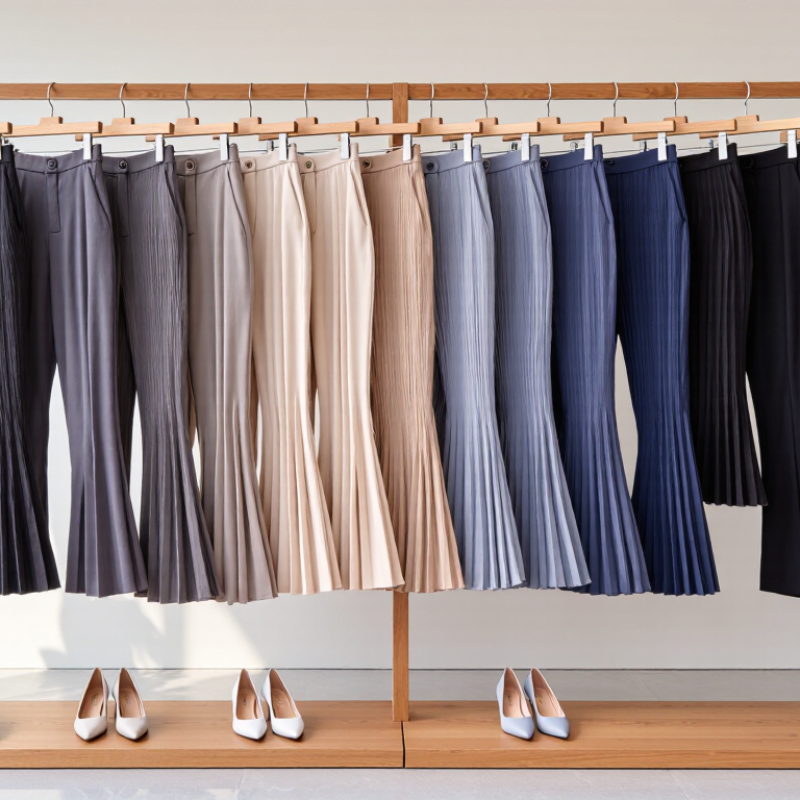
Understanding Flared Pleated Trousers and Their Key Features
Flared pleated trousers combine shaped volume with movement. Front pleats add room through the hip and upper thigh, while legs widen below the knee. The result depends on balance: a deep pleat can add fullness, but excessive fabric may bunch when seated. A clean waistband, secure stitching, and a smooth zipper help the garment hold its shape through repeated wear. Check rise, thigh ease, and flare width across several sizes; one sample rarely reveals grading problems.
Fabric choice changes the look and care needs. The Textile Exchange Materials Market Report 2024 estimates global fiber production reached 124 million tonnes in 2023, with polyester making up 57 percent. That figure describes the wider fiber market, not demand for this trouser style. For wholesale evaluation, compare fabric weight, recovery, and crease behavior rather than relying on fiber content alone. A woven blend may keep pleats crisp, while a softer cloth creates gentler drape. Ask suppliers for fabric specifications and wash-test samples. Small differences matter. A trouser can look polished on a hanger yet pull at the waist when worn; fit checks are worth repeating.
2026 Top Flared Pleated Trousers for Wholesale Buyers - Understanding Flared Pleated Trousers and Their Key Features
A practical comparison of common flared pleated trouser options. Fabric blends and garment specifications vary by supplier; confirm samples and size charts before placing a bulk order.
| Trouser option |
Pleat and silhouette |
Common fabric choices |
Key features |
Wholesale checks |
| Classic single-pleat flares |
One forward-facing or reverse pleat per side; gently widening leg from knee to hem. |
Polyester-viscose suiting, wool blends, or cotton twill. |
A versatile tailored look; the pleat adds room through the upper thigh. |
Check pleat direction, crease retention, waistband construction, and hem allowance. |
| Double-pleat wide flares |
Two pleats per side paired with a fuller thigh and pronounced hem width. |
Medium-weight wool blends, suiting blends, or drapey woven fabrics. |
More front volume and a dramatic, structured silhouette. |
Review fit across the hip and thigh; confirm the flare is balanced with the rise and inseam. |
| High-rise tailored flares |
Single or double pleats with a higher waist and a gradual outward leg line. |
Wool-blend suiting, polyester-viscose, or stretch suiting. |
Defined waist placement; works with tucked-in shirts and structured tops. |
Verify front rise, waist grading, belt-loop placement, and size-chart measurements. |
| Stretch comfort flares |
Usually a single pleat or clean front; fitted through the hip with a flared hem. |
Woven blends containing elastane, or stretch cotton twill. |
Added stretch can improve ease of movement; recovery depends on fabric and construction. |
Request fiber-content details and test stretch recovery, seam strength, and shape retention. |
| Lightweight summer flares |
Soft single pleat or relaxed front; fluid flare with lighter drape. |
Lightweight cotton, linen blends, or viscose-based woven fabrics. |
Lighter fabrics suit warm-weather ranges; lining needs depend on opacity and fabric weight. |
Check opacity, shrinkage, colorfastness, and whether the design requires a partial lining. |
| Statement wide-hem flares |
Pronounced flare from the knee, often combined with a defined pleat and long hem. |
Structured suiting, denim, or other medium-weight woven fabrics. |
A strong fashion silhouette; fabric weight helps determine how the hem hangs. |
Assess hem sweep, walking ease, garment balance, and available inseam options. |
Buyer note: A pleat is a folded section of fabric at the front waist that provides extra room or shape. “Flared” describes a leg that widens toward the hem. For accurate ordering, confirm fiber composition, fabric weight, measurements, tolerances, color options, care instructions, and sample approval with the supplier.
Exploring the Top Flared Pleated Styles for 2026
For 2026, flared pleated trousers are moving across several distinct silhouettes. A restrained flare with a single front pleat offers an easy option for everyday collections. Wider hems and deeper pleats create a more expressive shape for occasionwear. That changes the drape. Buyers should compare the trouser’s fall over both flat shoes and a modest heel, since the hem can look very different at each length.
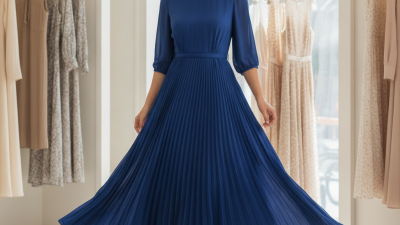
Fabric choice shapes the look as much as the cut. Midweight twill holds a crisp pleat, while fluid viscose blends give the flare more movement. A subtle pinstripe or fine check adds detail without overwhelming the silhouette. Matte finishes feel versatile; a soft sheen can read dressier. Ask for fabric swatches and confirm whether pleats remain defined after pressing and wear. Fit still varies.
For wholesale assortments, consider offering more than one rise and inseam, especially when ordering a dramatic flare. Check waist ease, hip room, and the point where the leg begins to widen on a physical sample. Small grading changes can alter the balance. A deep pleat may look striking on a hanger yet feel bulky when seated, so wear testing is worth the extra time. The trend is promising, but not every cut will suit every customer.
2026 Flared Pleated Trousers: Pleat Construction by Wholesale Style
A construction-focused comparison of four flared trouser options for wholesale assortment planning.
How to read this chart: Bars show the stated number of front pleats in each example construction. They describe style details, not sales, demand, or market-share data. Actual specifications can vary by garment.
Comparing Fabrics, Fits, and Construction Details
For wholesale buyers, flared pleated trousers should be judged by fabric behavior, fit balance, and sewing consistency. A fluid viscose blend hangs softly, while cotton twill gives a sharper shape but may crease more. Textile Exchange’s Materials Market Report 2024 estimates global fiber production reached 124 million tonnes in 2023, with polyester representing 57%. That context makes fiber choice a sourcing decision, not merely a touch preference. Ask suppliers for fabric weight, fiber content, and recovery after pressing and wear. The hand matters.
Fit samples should show whether pleats lie flat at the waist and release smoothly over the hip. Check rise, thigh ease, and hem sweep together; a dramatic flare can look unbalanced if the knee feels too narrow. Try samples with the intended shoes. Inspect waistband fusing, pocket bags, bar tacks, and seam allowances before approving bulk production. Uneven stitching or weak pleat reinforcement may only become obvious after repeated handling. Small defects matter. One fitting round rarely represents every body shape, so review graded measurements and test several sizes before confirming specifications.
Evaluating Wholesale Quality, Pricing, and Minimum Orders
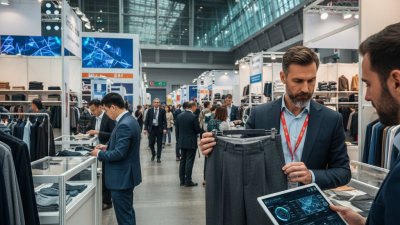
When evaluating flared pleated trousers for wholesale, inspect a finished sample before comparing quotes. Check that the pleats sit evenly when the trousers hang, and that the flare falls smoothly from knee to hem. Small details matter. Look closely at waistband stitching, pocket corners, zipper movement, and seam allowance. Ask for the fabric composition, weight, and care instructions in writing. A soft hand-feel alone does not show how fabric will drape after washing.
Request measurements for each size, not just a general size chart. Compare the waist, hip, rise, inseam, and hem opening with your intended customer fit. Ask whether the supplier can provide a pre-production sample and confirm any sample fee or lead time. A sample may look polished, while bulk production can vary. That gap deserves a clear quality-check plan.
Wholesale pricing depends on fabric, construction, order volume, and packing requirements. Ask for itemized costs, including labels, packaging, and shipping, so a low unit price does not hide extra charges. Confirm whether the minimum order applies per style, color, or size assortment. Minimums can be awkward for smaller test orders. Before paying a deposit, get the approved specifications, quantity breakdown, delivery window, and process for handling defects in writing. A little paperwork can prevent an expensive misunderstanding.
Selecting Suppliers and Planning Inventory for Retail Demand
For 2026 flared pleated trousers, supplier selection should start with repeatable fit and fabric quality, not the lowest quote. Ask for graded samples in several sizes, then check waist stability, pleat recovery, and hem width after washing. Check the seams. Confirm fabric composition, shrinkage tolerances, production capacity, and reorder lead times in writing. A supplier who can repeat a sample reliably is more useful than one who promises every color.
Inventory plans should reflect cautious demand, not just trend enthusiasm. McKinsey and The Business of Fashion’s State of Fashion 2025 report projected 2–4% growth for the global fashion industry, suggesting a measured buying plan. Start with a narrow color range and moderate quantities; keep capacity for replenishment if sell-through supports it. I would not treat a forecast as truth. Pleat depth and leg shape can divide shoppers, and local fit preferences may matter more than trend reports.
Build return and quality checks into the plan. The National Retail Federation’s 2024 consumer returns report estimated that 16.9% of U.S. retail sales would be returned across categories—not trousers alone. Use that figure as a broad planning signal, not a garment-specific rate. Track return reasons, waist fit, fabric feel, and hem alterations by size. Small trials help. Review early sales weekly, and adjust reorder quantities before seasonal demand peaks.