Sourcing Pleated Cuffed Pants in bulk takes more than finding a good-looking reference image. Buyers need to check the fabric, fit, construction, and supplier’s production capacity before placing a large order. Start with a clear specification: fabric composition and weight, waistband details, pleat depth, cuff width, pocket shape, and available sizes. Small differences matter. A cuff that looks neat on a sample may twist after washing, while a deep pleat can change how the trousers sit across the hip. Request a size set or pre-production sample, then compare measurements against your approved chart. Record any changes in writing.
Supplier checks deserve the same care as garment checks. Ask about minimum order quantities, sample charges, production lead times, fabric sourcing, and inspection procedures. Confirm how the supplier handles measurement tolerances and defects, and agree on packaging and labeling details before bulk production begins. If possible, review recent production references or arrange an independent inspection at an appropriate stage. A low unit price can be misleading once freight, duties, rework, and delays are considered. Get those cost assumptions clarified.
Keep communication practical. Share annotated photos, measurement tables, and dated approvals instead of relying on verbal descriptions. Even a good checklist misses things. A polished sample can still hide a weak waistband or inconsistent stitching, so inspect the details that matter to your customers. No sourcing plan removes every risk, and timelines may shift. The goal is to make decisions from documented evidence, compare suppliers on consistent terms, and catch problems before they affect the full order. That is how a promising style becomes a repeatable bulk purchase.

Define the specifications before requesting bulk quotes for pleated cuffed pants. State the size range, intended fit, and finished measurements for waist, rise, hip, inseam, leg opening, and cuff height. Include a measurement tolerance, such as ±1 cm, where appropriate. Specify pleat count, direction, depth, and position; “double pleat” alone may leave room for different interpretations. Small details matter.
Describe the fabric by fiber content, weight, weave, color, and finish. For example, a midweight twill behaves differently from a soft drapey blend, especially around the front pleats. Record waistband construction, closure type, pocket shape, belt-loop spacing, and cuff width. Add stitch and trim details where they affect appearance or durability. Ask for a pre-production sample, then check how the pleats sit when standing and sitting. A measurement sheet can still miss a fit issue. Revise it if needed.
Tips: Send a labeled reference sketch and a graded size chart. Confirm whether cuff measurements refer to the folded height or finished height. Keep one approved sample for comparison during production.
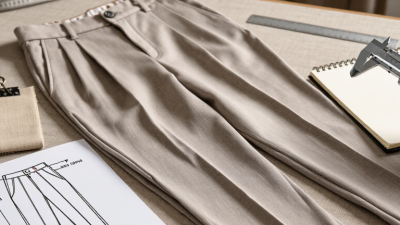
Identify manufacturers with proven experience in woven trousers, not just general apparel production. Ask for recent examples of pleated pants and inspect how the pleats hold after washing. Check cuff width, seam consistency, waistband structure, and fabric weight. Small details matter. A cuff that twists or loses shape can undermine an otherwise polished garment.
Request a sample made with the intended fabric, trim, and measurements. Compare several suppliers using the same specification sheet, so differences in finish and fit are easier to judge. Ask about minimum order quantities, sample costs, production capacity, and realistic lead times. Ask for evidence. Written quality checks and clear defect procedures are more useful than broad promises.
Communication deserves a close look, too. Send a measurement chart and a reference photo, then note how accurately each factory answers questions. Confirm who approves pattern changes and how bulk goods are checked before shipment. A neat sample is encouraging, but it does not guarantee every carton will match. I would want photos or inspection records from production, although that adds time. If a supplier avoids specific answers, treat that as a reason to investigate further, not an automatic rejection.
When sourcing pleated cuffed pants in bulk, assess fabric before discussing price. Request swatches in the proposed weight and color, then check them under daylight and indoor lighting. Rub the surface lightly and bend it at the knee to spot shine, stiffness, or weak recovery. Ask how the fabric behaves after washing; a swatch alone cannot answer everything. That uncertainty matters.
Inspect construction on a complete sample. Pleats should fall evenly from the waistband, without pulling across the hip. Check pocket openings, seam allowances, waistband firmness, and cuff width. Measure several points against the specification, especially the waist, rise, inseam, and leg opening. Tug gently at stress points and look for skipped stitches or loose threads. Small defects can multiply across a production run.
Tips: Approve a preproduction sample made with the intended fabric, trims, and sewing method. Mark requested changes directly on a measurement sheet, and keep a signed reference sample. Check one sample after laundering, too. I have seen a fabric look polished on a hanger, then feel too rigid in wear; revise the spec if needed.
How to Source Pleated Cuffed Pants in Bulk?
Verify Supplier Capacity, Quality Controls, and Compliance
A supplier’s stated capacity matters only when it matches your delivery schedule. Ask how many sewing lines can handle pleated trousers, and whether those lines are already booked. Request a production calendar showing fabric arrival, cutting, sewing, finishing, and packing dates. Numbers need context. A factory may quote a high monthly output but rely on overtime or subcontracted work.
Review a pre-production sample closely. Check pleat alignment, waistband construction, cuff width, and seam strength. Agree on measurement tolerances before bulk cutting, then ask how inspectors record results during production. Photos of in-line checks can help, but they cannot replace clear inspection criteria. One overlooked detail is shade variation between fabric batches; request approval under consistent lighting. Small differences show.
Compliance needs the same practical scrutiny. Ask for current test reports and documentation relevant to the fabric, dyes, and destination market. Confirm who performs the tests and whether reports cover the materials used in your order. Verify workplace and traceability records where relevant. Requirements can change, so confirm them with qualified advisers rather than relying on a supplier’s broad assurance. A tidy spreadsheet may still miss a weak point: build time for corrective checks before shipment.
Verify supplier capacity, quality controls, and compliance before placing a bulk order.
Bars count recommended checks in this checklist, not supplier ratings or market benchmarks: capacity covers output, utilization, lead time, and scale-up planning; quality covers fabric, measurements, stitching, cuff consistency, and final inspection; compliance covers business registration, labor practices, chemical restrictions, and labeling; pre-production covers fit, wash, and size-set approval.
Before confirming a bulk order, put the measurable details in the purchase contract. Specify pleat depth, cuff width, fabric composition, color standard, size range, and acceptable measurement tolerances. Attach an approved pre-production sample and require written approval before cutting begins. Confirm the order quantity by size and color, plus the rules for handling defects or short shipments. A low unit price means little if the cuff shape changes between sample and production.
Negotiate payment milestones around real checkpoints: deposit, approved sample, completed inspection, and dispatch documents. State the Incoterms 2020 rule and exact named place, so cost and risk transfer are clear. Build in time for fabric testing, bulk sewing, inspection, and booking cargo. UNCTAD’s Review of Maritime Transport 2023 reports that shipping carries over 80% of global trade by volume. That scale does not guarantee your container leaves on schedule. Confirm the forwarder’s cutoff date and allow buffer time for port delays.
Keep the shipping plan specific. Confirm carton dimensions, gross weight, labels, packing list, and whether garments need folding or hanging. Ask the factory to share production updates with dated photos, not just a “nearly done” message. Small detail. Real cost. I would still challenge one assumption: a first bulk run rarely follows the sample perfectly. Inspect a size set and a few finished cartons before final payment, then record any corrections for the next order.
| Planning Area | Suggested Terms or Planning Range | What to Confirm Before Ordering |
|---|---|---|
| Product specification | Document fabric composition, weight, color, pleat type, cuff depth, waistband construction, pocket details, and size measurements. | Approve a complete tech pack and measurement chart. State tolerances for key measurements and identify the reference sample. |
| Order quantity and size split | Request quotations at several quantity breaks, such as 300, 600, and 1,000 pieces. These are quotation scenarios, not universal minimums. | Confirm the supplier’s minimum order quantity by style, color, and fabric. Agree on the size ratio and whether quantities may vary by color. |
| Unit price and cost inclusions | Compare itemized quotations covering fabric, trims, garment manufacturing, packing, and any agreed inspection or labeling costs. | Specify currency, price validity period, duties or taxes if applicable, and whether freight is included. Confirm how changes in fabric or order quantity affect price. |
| Sampling and approval | Allow time for a prototype, fit review, and a pre-production sample. The number of sample rounds depends on the design and required revisions. | Agree on sample charges, sample lead time, revision responsibilities, and written approval checkpoints before bulk cutting begins. |
| Payment schedule | Negotiate a deposit and balance schedule tied to clear order milestones; terms vary by supplier, buyer history, and payment method. | Record payment dates, the balance due point, accepted payment method, and the documents or inspection results required before final payment. |
| Production schedule | Use a written production calendar with separate dates for material sourcing, cutting, sewing, finishing, inspection, and packing. | Ask the supplier to confirm material availability and capacity before setting the shipment date. Include a process for notifying and resolving delays. |
| Quality control | Set measurable checks for fabric shade, pleat consistency, cuff symmetry, stitching, measurements, labeling, and overall appearance. | Agree on inspection timing, sampling method, defect definitions, acceptable quality limits, and corrective action for failed checks. |
| Packaging and labeling | Specify folding method, individual packing, carton quantity, carton dimensions, and required care or fiber-content labels. | Confirm label text and placement, packing materials, carton markings, and any destination-market requirements before bulk packing. |
| Shipping and delivery | Compare air, sea, and combined transport based on urgency, shipment size, destination, and total landed cost. Transit times vary by route and service. | State the agreed delivery term and named place, shipment-ready date, freight responsibility, cargo insurance arrangements, and required export documents. |
| Order changes and claims | Set written procedures for changes to quantities, colors, specifications, and delivery dates after approval. | Define claim deadlines, evidence requirements, and remedies for shortages, damage, or goods that do not meet the approved specification. |