Leave Your Message

How to Style a Pleat Neck Dress for Every Occasion?

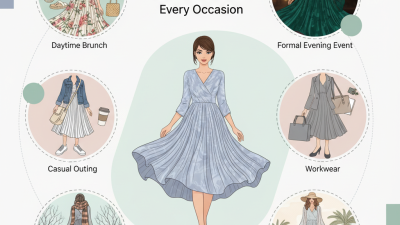
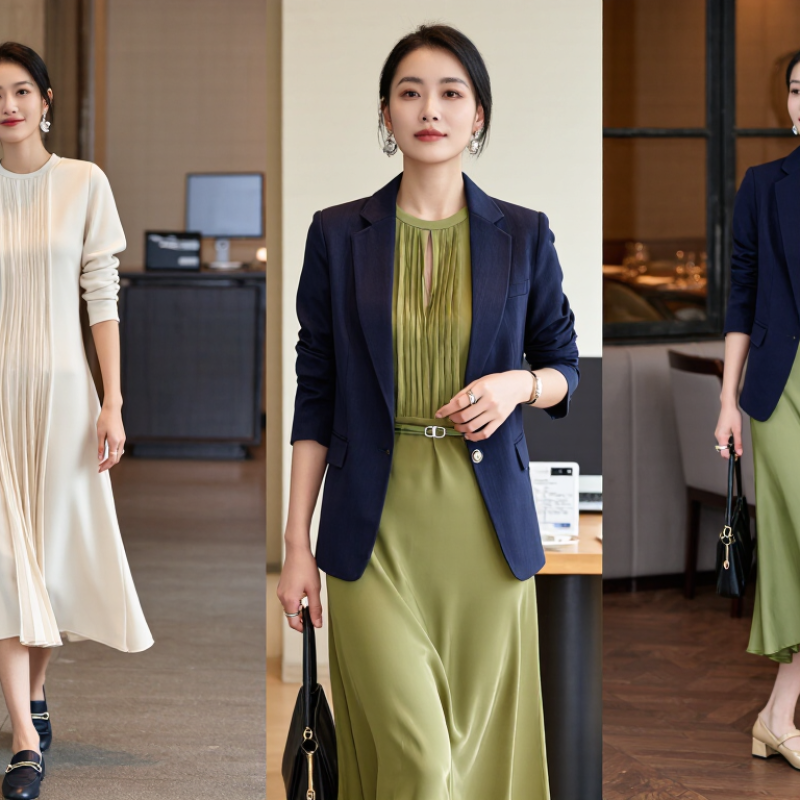
A Pleat Neck Dress can move easily from a quiet office morning to an evening dinner. Its folded neckline adds texture without demanding heavy accessories. The right styling depends on fabric, proportion, and the setting. A lightweight cotton version feels fresh with loafers and a structured tote. A satin design needs softer layers and careful handling. Small choices matter.

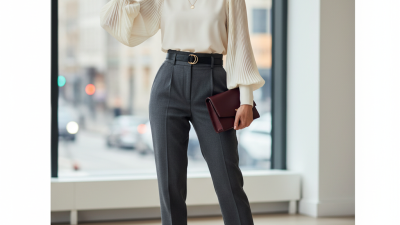
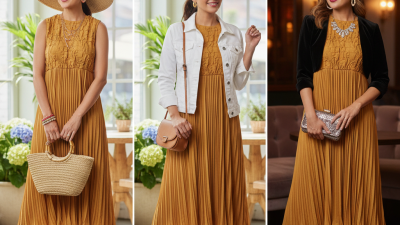
For work, add a cropped blazer, low heels, and simple metal earrings. Keep the colors controlled. Navy, cream, charcoal, and muted green usually create a polished impression. Check the neckline before wearing a necklace. Pleats can compete with a bold pendant, especially on a narrow frame. A slim belt may define the waist, but it can also disturb the dress’s natural drape. Try both options in daylight.

Casual styling allows more room for personality. White sneakers, a denim jacket, and a crossbody bag can make the dress feel relaxed. For weddings or evening events, choose refined sandals, a compact clutch, and understated jewelry. Avoid adding every elegant detail at once. It can look carefully planned, rather than genuinely effortless. I have made that mistake. Comfort deserves equal attention, because pulling at the neckline or adjusting a slipping strap changes your posture. Consider the weather, lining, and shoe stability before leaving home. With thoughtful layering and honest attention to fit, this versatile dress can support many occasions without losing its original character.
How to Style a Pleat Neck Dress for Every Occasion?

Map Pleat-Neck Fit to ASTM and ISO Body-Measurement Tables

A pleat-neck dress can shift from office-ready to evening-soft, but its success begins with measured fit. ASTM and ISO tables offer a reliable starting point. They do not replace a real fitting.

Use ISO 8559-1 for consistent measurement definitions, then compare key dimensions with an applicable ASTM body-measurement table, such as ASTM D5585. Check bust, waist, hip, neck base, shoulder length, and back waist length. The pleat should open gently below the neck, not pull across the upper chest. Keep the pleat depth proportional to the bust measurement. A larger bust may need extra front length, while a narrower shoulder may need reduced width. Fit is relational.

During a fitting, mark the center front with removable thread. Measure from the neck base to the fullest bust point. Then compare that distance with the pattern’s pleat placement. Small errors matter. My first sample placed the pleat too high, creating unwanted fullness near the collarbone. The table was correct; my interpretation was not. That distinction matters.

For daytime styling, pair a balanced fit with a structured jacket and low-profile shoes. For a ceremony, allow softer fabric, but preserve shoulder stability. ASTM tables can guide grading between sizes, while ISO definitions help prevent inconsistent measuring. Always record whether measurements were taken over light clothing or body-hugging layers. Bodies are not spreadsheets. A final trial in sitting, walking, and reaching positions may reveal more than a static chart.
Match Fabric, Lining, and Care to FTC Fiber-Labeling Standards

How to Style a Pleat Neck Dress for Every Occasion?

Match Fabric, Lining, and Care to FTC Fiber-Labeling Standards

A pleat-neck dress can move from a quiet office to dinner when its fabric suits the setting. For warm afternoons, choose breathable cotton or linen. For polished events, consider a smooth synthetic or wool blend. Read the fiber label before styling. In the United States, FTC textile rules generally require fiber percentages, the responsible business identity, and the country of origin. A label stating “100% cotton” should not misrepresent a different lining. Separate linings deserve attention. Their fibers should be identified clearly when applicable.

Labels matter. Under the FTC Care Labeling Rule, manufacturers and importers generally provide care instructions for regular cleaning. Match the dress to its instructions, not only its appearance. Cotton may tolerate machine washing, while a lined blend may need a gentle cycle or professional cleaning. Use cool water when permitted, reshape pleats while damp, and avoid high heat that can flatten the folds.

Style the dress with a narrow belt for work, flat sandals for daytime, or low metallic heels for evening. Check the label before buying online, because product photos often omit fiber details. I sometimes focus too much on drape and overlook lining weight. That mistake can make a beautiful dress feel heavy by noon. A care label cannot fix poor fabric selection.

How to Style a Pleat Neck Dress for Every Occasion? - Match Fabric, Lining, and Care to FTC Fiber-Labeling Standards
Occasion Pleat-Neck Styling Direction Suitable Main Fabric Lining Recommendation Accessories and Footwear Care Approach Example FTC-Style Fiber Disclosure
Office or Business Meeting Choose a modest pleat depth and a structured shape. Keep the neckline smooth and avoid bulky layers beneath the pleats. Medium-weight woven polyester, wool, or a polyester-wool blend can hold pleats and resist excessive wrinkling. Use a breathable polyester or cupro lining that allows the dress to glide over a blouse or hosiery without clinging. Add a narrow belt, simple stud earrings, a structured tote, and closed-toe pumps or loafers. Follow the sewn-in care label. For tailored fabrics, use gentle cleaning and reshape the pleats while damp when permitted. Example only: “Shell: 55% Polyester, 45% Wool. Lining: 100% Polyester.”
Wedding Guest or Formal Day Event Let the pleat neck remain the focal point. Select a fluid midi length and avoid accessories that cover the neckline detail. Silk, rayon, or lyocell crepe provides soft movement and a refined drape. Confirm the exact generic fiber name before labeling. A lightweight lining in polyester, rayon, or silk can improve opacity and help the skirt hang evenly. Pair with delicate drop earrings, a small clutch, dress sandals, or low heels in a coordinated neutral. Many delicate woven fabrics require professional cleaning; protect the pleats from crushing during storage. Example only: “Shell: 100% Lyocell. Lining: 100% Polyester.”
Cocktail or Evening Event Choose deeper sculptural pleats, a defined waist, or a subtle sheen. Keep the rest of the look streamlined. Polyester satin, acetate, or rayon velvet can provide sheen and body, but the fiber content must match the actual garment. Use a smooth lining with compatible care requirements. Avoid a lining that creates static or restricts the pleated shell. Add metallic earrings, a compact evening bag, and pointed heels. Keep necklaces minimal if the pleat neck is high. Store on a wide hanger and avoid high heat, which can damage certain synthetic fibers or flatten permanent pleats. Example only: “Shell: 100% Polyester. Lining: 100% Acetate.”
Casual Weekend Wear a relaxed pleat-neck dress with a shorter hem or loose waist. A denim jacket or cardigan can balance the volume. Cotton poplin, cotton jersey, linen, or a cotton-modal blend offers a casual hand and everyday comfort. Unlined or partially lined designs may feel cooler; use a lining when the fabric is sheer or needs additional structure. Style with canvas sneakers, flat sandals, a crossbody bag, and understated jewelry. Wash or dry according to the label. Air-dry when permitted and avoid twisting the pleated neckline. Example only: “Shell: 60% Cotton, 40% Modal. Exclusive of decoration.”
Summer Travel Select a relaxed silhouette with pleats that remain comfortable while sitting. Wear with a lightweight overshirt for coverage. Linen, cotton, or lyocell can provide breathability. Wrinkle-prone fabrics may need steaming after packing. Prefer a lightweight, breathable lining or a strategically lined bodice rather than a fully lined skirt. Add a woven hat, flat leather or textile sandals, and a lightweight shoulder bag. Roll or loosely fold the dress, unpack promptly, and use a garment steamer only if the care instructions allow it. Example only: “Shell: 100% Linen. Lining: 100% Cotton.”
Cold-Weather Layering Wear the dress over a fine-gauge knit or fitted turtleneck so the neckline pleats keep their shape without excess bulk. Wool, polyester crepe, or a wool-blend fabric provides warmth and structure. Check whether the fabric is washable before purchase. A smooth lining helps the dress layer over knitwear and reduces friction between garments. Finish with ankle boots, opaque tights, a long coat, and a compact shoulder bag. Air garments between wears and store clean. Use a padded hanger for heavier fabrics and follow the exact care label. Example only: “Shell: 70% Wool, 30% Polyester. Lining: 100% Polyester.”
Low-Maintenance Daily Wear Select machine-washable fabric with stable pleats and a simple silhouette. Keep styling practical and polished. Polyester or a polyester-elastane blend generally offers wrinkle resistance and shape retention, subject to the actual fiber blend. A lightweight polyester lining can improve comfort and opacity while supporting easy care. Use a cardigan, ballet flats, clean sneakers, or a low block heel for a versatile daily outfit. Use the recommended cycle, mild detergent, and low heat only when permitted. Do not assume every polyester garment is dryer-safe. Example only: “Shell: 96% Polyester, 4% Spandex. Lining: 100% Polyester.”
Garment Label and FTC Compliance Check Styling advice should never replace the garment’s permanent label. Confirm the actual shell, lining, trim, and decoration composition. List each applicable fiber by its FTC-recognized generic name and disclose percentages by weight in descending order. Identify the lining separately when it has a different fiber composition from the shell. Do not use a style description such as “silky,” “linen-look,” or “satin” as a substitute for the fiber disclosure. Care instructions should be based on testing and the garment’s actual construction, not solely on the fiber name. In the United States, a textile label generally includes fiber content, country of origin, and the responsible business identity or an assigned RN. This table intentionally omits company names and RN details.
Fiber percentages shown above are illustrative examples, not specifications for one particular dress. The final label must reflect the garment’s tested fiber content and applicable FTC Textile Fiber Products Identification requirements.

Style Casual Looks Using Retail Dress-Code and Consumer Trend Data

How to Style a Pleat Neck Dress for Every Occasion?

Retail dress-code guidance often separates casual, smart-casual, and formal dressing. A pleat neck dress can move between these categories with small styling changes. For a casual office, add a cropped cardigan, clean leather flats, and a structured tote. Choose muted colors, such as olive, navy, or warm beige. Recent consumer trend reports also show stronger interest in comfort, versatility, and repeatable outfits. The dress works well because it offers shape without feeling restrictive.

For weekend plans, wear the dress with a lightweight overshirt and simple trainers. Roll the sleeves slightly for a relaxed finish. A woven bag adds texture without making the outfit look overplanned. For dinner, replace the trainers with low heels and add small metal earrings. Keep the neckline visible. That detail is often the dress’s strongest feature. In my styling experience, excessive accessories can compete with the pleats and make the outfit feel busy.

Tips: Check the venue’s actual dress code before choosing shoes. Try the full outfit under natural light. Comfort matters. Avoid sizing down for a sharper silhouette; it can pull across the pleats. A belt may improve definition, but it does not suit every body shape. The guidance is useful, not universal. I would test one casual version and one polished version before buying another accessory. Consumer preferences change quickly, while personal comfort usually lasts longer.

Build Office Outfits Around Professional Dress-Code Research

How to Style a Pleat Neck Dress for Every Occasion?

Professional dress-code research suggests that workplace clothing should communicate competence, comfort, and awareness of context. A pleat neck dress can meet those expectations when its shape remains polished. Choose a knee-length or midi style with a clean hem and opaque fabric. In my experience, a structured jacket makes the pleated neckline look intentional rather than decorative. Add simple leather flats or low heels, and keep jewelry quiet. A watch, small earrings, and a medium-sized work bag are usually enough.

Read the written dress policy before styling the outfit. Some offices permit soft colors, while client-facing roles may favor navy, charcoal, cream, or muted green. Research-based guidance often emphasizes neatness, appropriate coverage, and clothing that does not distract during communication. Avoid very deep pleats, sheer panels, or oversized sleeves when presenting to clients. A narrow belt can define the waist, but it may interrupt the neckline’s natural movement. That detail is easy to miss.

For a business-casual setting, remove the jacket and add a fine-knit cardigan. For an after-work event, switch to refined loafers and one stronger accessory. Keep the dress comfortable when sitting, walking, and reaching for documents. I once underestimated sleeve volume; it looked elegant standing still, but felt awkward at a crowded table. That was a useful correction. Style should support professional behavior, not compete with it.

Adapt Evening Accessories with Pantone Fashion Color Trend Data

A pleat neck dress already carries movement around the collar, so accessories should support its shape. I begin with seasonal fashion color trend data, comparing dominant shades with the dress fabric. This keeps evening styling intentional rather than random. A deep blue dress may welcome silver earrings, while a warm clay shade can work with muted gold.

For formal dinners, choose one accessory in a forecast color and keep the rest quiet. A slim satin clutch, small drop earrings, and pointed shoes create controlled contrast. The color should appear near the face when possible. It catches candlelight and makes the pleats look more dimensional. I prefer testing accessories under indoor lighting, because some colors change noticeably after sunset.

Not every trend deserves a full commitment. That matters. A bright seasonal shade might look elegant as a narrow belt, but overwhelming as a large bag. I once paired a soft dress with a vivid necklace, and the neckline became visually crowded. The mistake taught me to leave breathing room around the pleats. For a less formal event, try a colored scarf tied loosely at the wrist or a small stone ring. Trend data offers direction, not a strict formula. Personal coloring, fabric texture, and the event’s lighting still require judgment. My choices are not always perfect, especially when several fashionable shades compete.