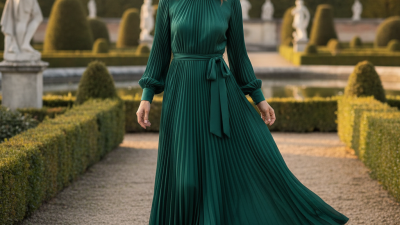
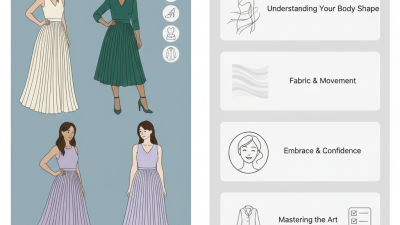
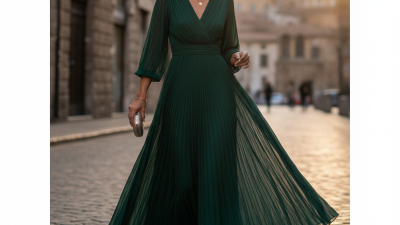
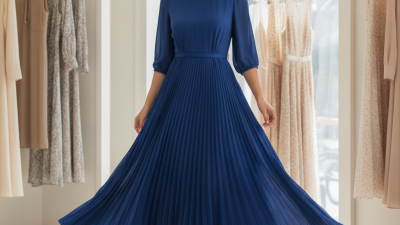
The 2026 wholesale market is giving the Pleat Neck Dress a sharper commercial role. Buyers are looking beyond decoration. They want reliable shape, comfortable movement, and clear seasonal value. A dress may look beautiful on a showroom rail. It still needs to perform after repeated handling, packing, and customer wear.
Issey Miyake, whose Pleats Please collections transformed modern pleating, said, “Design is not for philosophy—it’s for life.” That principle remains useful for wholesale decisions. A successful pleat neck design should flatter the neckline without feeling restrictive. It should recover after sitting, resist careless creasing, and photograph clearly under retail lighting. Small details matter. Pleat depth changes the silhouette. Fabric weight changes the drape. Stitch control affects the final price.
This guide examines the best 2026 Pleat Neck Dress styles for wholesale buyers, from soft gathered collars to structured geometric pleats. It considers fabric performance, grading across sizes, minimum order quantities, color planning, and production consistency. Cotton blends may suit everyday collections. Satin and lightweight chiffon can create stronger occasion appeal, but they demand stricter quality checks. Recycled fibers may support a responsible product story, although their hand feel is not always consistent.
The market is not perfectly predictable. Trend reports can miss local customer preferences. A dramatic neckline may sell quickly in one region and remain untouched in another. Buyers should test samples, inspect seam recovery, and compare supplier records before committing. Practical evidence beats attractive promises. This overview offers a realistic framework for selecting pleated necklines that balance visual impact, manufacturing reliability, and sustainable wholesale potential.

A pleat neck dress features folded fabric arranged around the neckline, creating controlled volume near the collarbone. The pleats may run vertically, radiate from the center, or frame a modest stand collar. Unlike ordinary gathers, pleats use sharper folds and stronger visual rhythm. The result can feel architectural, soft, or slightly vintage.
For wholesale buyers, inspect pleat depth, fold recovery, and neckline balance. A 2–4 cm pleat may create visible texture without overwhelming smaller proportions. Lightweight crepe gives clean folds, while cotton poplin creates a crisp, structured edge. Textile Exchange reported that global fiber production reached 124 million tonnes in 2023, with polyester representing about 57%. This supports practical demand for wrinkle-resistant blends, but fabric testing remains essential.
McKinsey and The Business of Fashion projected low single-digit fashion growth for 2025, making clear product differentiation increasingly valuable. A pleat neck can provide that difference without complex decoration. However, buyers should not assume every pleat sells equally well. Deep folds may add shipping bulk, and poorly stabilized necklines can twist after washing. Request samples with close-up stitching, measured pleat spacing, and wash-test results. Small details matter. Even a beautiful neckline can fail when the first fold loses its shape.
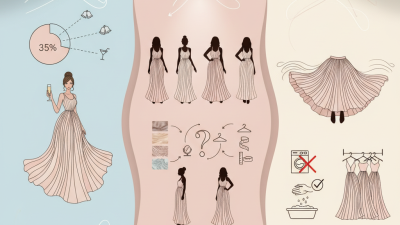
For 2026 wholesale assortments, pleat neck dresses should balance visual detail with easy wearability. The State of Fashion 2025 report from McKinsey and The Business of Fashion forecasts only 2–4% global fashion growth, making disciplined buying essential. Soft stand-collar dresses with narrow front pleats suit workwear and modest occasion dressing. They also photograph clearly on online product pages. Keep pleats pressed, not bulky.
V-neck pleat dresses remain commercially flexible. Choose midi lengths, three-quarter sleeves, and adjustable waist ties for wider customer appeal. Square-neck styles offer a stronger fashion message, especially with small shoulder pleats and fluid woven fabrics. According to Euromonitor International’s apparel market analysis, consumers continue seeking value, versatility, and longer product use. Therefore, neutral tones should anchor the range, while two seasonal colors create freshness. Terracotta and pale blue may perform well, but local testing still matters.
Consider tiered pleat neck dresses for resort and event capsules. Their movement is visible on hangers and short videos. However, excessive volume can increase packing costs and returns. A practical starting point is three core silhouettes, each in two lengths. Check seam recovery after repeated steaming. That detail is often missed. I would avoid deep pleats near the bust without fit testing; they can distort across different body shapes. This is not a perfect formula, but sell-through data from early deliveries should guide replenishment more than trend images alone.
For 2026 pleat neck dresses, wholesale buyers should match fabric choice with the customer’s climate and price expectations. Textile Exchange’s 2024 Materials Market Report recorded 124 million tonnes of global fiber production in 2023. It also projects growth toward 160 million tonnes by 2030. This pressure makes recycled polyester, certified viscose, and responsibly sourced cotton useful options. Lightweight woven fabric suits warm markets, while ponte or brushed jersey supports cooler regions. Pleats need recovery, or the neckline may look tired after repeated wear.
Color planning should balance fashion interest with reliable sell-through. Soft olive, warm cream, dusty blue, and restrained red offer freshness without becoming difficult stock. McKinsey’s State of Fashion 2025 highlights continuing consumer sensitivity to value and price. Therefore, buyers should build core colors first, then add limited fashion shades. Color testing on actual fabric matters. Online swatches often mislead. I have seen pale beige appear grey under warehouse lighting.
Tips: Start with a 60:30:10 color mix: core, commercial seasonal, and experimental shades. For sizes, avoid copying one market’s curve. Review local sales data, returns, and fitting feedback. Offer a practical spread, such as XS–XXL, then adjust depth by region. A perfect size curve does not exist. Small pilot orders may reveal hidden demand, although they can increase unit costs.
For wholesale buyers, a pleat neck dress must balance appearance, comfort, and repeatable production. Soft neckline folds should lie evenly without pulling at the shoulders. Inspect the first sample under natural light. Uneven pleats often reveal weak pressing or inconsistent cutting. Ask the supplier for fabric composition, shrinkage results, and stitching specifications. A reliable production team should explain these details clearly. Still, paperwork cannot replace a physical inspection.
Comfort depends on more than a loose silhouette. Check whether the neckline scratches after ten minutes of wear. Examine the armhole curve, lining attachment, and seam allowance. A breathable woven fabric may suit warm markets, while a stable blend can reduce wrinkling during transport. Request a wash test before confirming bulk quantities. Measure the dress again afterward. Small changes matter. I have seen attractive samples lose shape because the pleats were not reinforced correctly. That mistake can be expensive, and it is easy to miss.
Tips: Review three production samples, not just one. Compare pleat depth, neckline width, thread tension, and hem balance. Use a simple measurement chart for every size. Confirm colorfastness and fabric recovery through documented testing. Keep one approved sample for factory comparison. If the supplier avoids clear answers, slow the order. A lower unit price may hide higher return rates. Ask for realistic lead times, because rushed sewing can weaken quality control.
2026 Best Pleat Neck Dress Styles for Wholesale Buyers?
Planning a wholesale pleat neck dress order starts with the neckline, not the catalog photo. Soft accordion pleats suit spring collections and lightweight fabrics. Structured box pleats create a sharper look for officewear and early autumn sales. Check how the pleats recover after steaming. A beautiful sample can lose shape during transport.
Order planning should follow store type, customer age, and local climate. For warm markets, choose breathable cotton blends, rayon, or light recycled fibers. For cooler seasons, consider heavier jersey or woven fabrics with stable pleats. Request size-set samples before confirming quantities. Measure neckline width, shoulder balance, sleeve opening, and skirt movement. Small errors become expensive across hundreds of units.
Pricing needs more than the factory quote. Include fabric consumption, pleat processing, labels, packing, inspection, freight, and possible rework. A practical wholesale range often depends on fabric weight and pleat complexity. Keep core colors such as black, cream, and navy for repeat orders. Add two seasonal shades, like muted coral or sage, in controlled quantities. Early orders can secure production capacity, but excessive commitment ties up cash. Our first forecast is rarely perfect. Review sell-through every four weeks, then adjust the next shipment. This approach supports healthier margins and more flexible seasonal collections.
| Style ID | Pleat-Neck Design | Dress Silhouette | Recommended Fabric | Approx. Fabric Weight | Best Selling Season | Target Customer | Indicative Wholesale Price (USD / Piece) |
Suggested Retail Range (USD) |
Opening MOQ (Pieces / Style) |
Typical Production Lead Time | Suggested Size Range | Core Color Direction |
|---|---|---|---|---|---|---|---|---|---|---|---|---|
| PN-01 | Fine knife pleat neckline with narrow standing collar | Relaxed A-line midi | Polyester crepe | 110–135 GSM | Spring / Summer | Office-to-evening buyers | $9.50–$12.50 | $39–$59 | 80–120 | 45–60 days | XS–XXL | Ivory, navy, sage, soft coral |
| PN-02 | Wide box pleats framing a V-neck opening | Fit-and-flare midi | Viscose challis | 115–145 GSM | Spring / Summer | Feminine occasionwear shoppers | $10.50–$14.00 | $45–$69 | 80–120 | 50–65 days | XS–XXL | Floral print, butter yellow, sky blue |
| PN-03 | Micro pleats extending from a round neckline | Long-sleeve shift dress | Polyester satin | 105–125 GSM | Autumn / Winter | Dressy dinner and event shoppers | $11.50–$15.50 | $49–$75 | 60–100 | 45–60 days | XS–XL | Black, wine, deep emerald, champagne |
| PN-04 | Soft shoulder-to-neck pleats with tie detail | Tiered maxi dress | Rayon voile | 95–125 GSM | Resort / Summer | Holiday and destination shoppers | $10.00–$13.50 | $42–$65 | 80–120 | 50–65 days | XS–XXL | White, turquoise, terracotta, tropical print |
| PN-05 | Structured inverted pleats at a high neckline | Belted shirt dress | Cotton poplin with elastane | 125–160 GSM | Spring / Autumn | Smart casual wardrobe buyers | $12.00–$16.00 | $49–$79 | 60–100 | 50–65 days | XS–XXL | White, khaki, denim blue, burgundy |
| PN-06 | Accordion pleat bib with concealed front opening | Modest maxi dress | Polyester chiffon with lining | 75–105 GSM shell | All-Season | Modest fashion and occasionwear buyers | $13.00–$18.00 | $55–$89 | 60–100 | 55–70 days | S–3XL | Black, mocha, dusty rose, muted teal |
| PN-07 | Vertical pleat panel with gathered neckline | Empire-waist midi | Lyocell twill | 145–175 GSM | Autumn / Winter | Premium casual shoppers | $15.00–$20.00 | $65–$99 | 50–80 | 55–70 days | XS–XXL | Charcoal, camel, olive, ink blue |
| PN-08 | Small pleated ruffle collar with keyhole opening | Short-sleeve mini dress | Polyester georgette with lining | 80–110 GSM shell | Spring / Summer | Trend-led young fashion buyers | $8.50–$11.50 | $32–$49 | 100–150 | 40–55 days | XS–XL | Black-and-white print, lilac, peach, red |
| PN-09 | Deep pleat neckline with removable fabric bow | Column evening midi | Stretch crepe | 210–250 GSM | Autumn / Winter | Formalwear and event boutiques | $16.00–$23.00 | $69–$119 | 50–80 | 60–75 days | XS–XL | Black, cobalt, ruby, metallic taupe |
| PN-10 | Pleated mandarin collar with front placket | Loose midi shirt dress | Linen-viscose blend | 150–190 GSM | Spring / Summer | Natural-fabric and resortwear buyers | $14.00–$19.00 | $59–$95 | 60–100 | 55–70 days | XS–XXL | Natural, sand, rust, eucalyptus |