How to Source Artisanal Pleated Garments for Your Business?
Sourcing artisanal pleated garments can be a rewarding venture for any fashion business. These unique pieces combine traditional craftsmanship with contemporary design. They appeal to a niche market that values quality and artistry. However, finding the right suppliers can be challenging and requires careful consideration.
Artisanal pleated garments often involve complex techniques that take years to master. Seek suppliers who are transparent about their methods and materials. Look for artisans who prioritize sustainability and ethical production. Their dedication often leads to superior products that resonate with environmentally-conscious consumers.
Keep in mind that quality and authenticity are paramount. While it may be tempting to cut corners, settling for inferior products can harm your brand's reputation. You might face difficulties in maintaining consistent quality. Hence, investing time in building relationships with artisans can pay off in the long run. Engage with communities that celebrate handmade textiles; this can lead you to hidden gems that reflect true craftsmanship.
Understanding Artisanal Pleated Garments and Their Market Demand
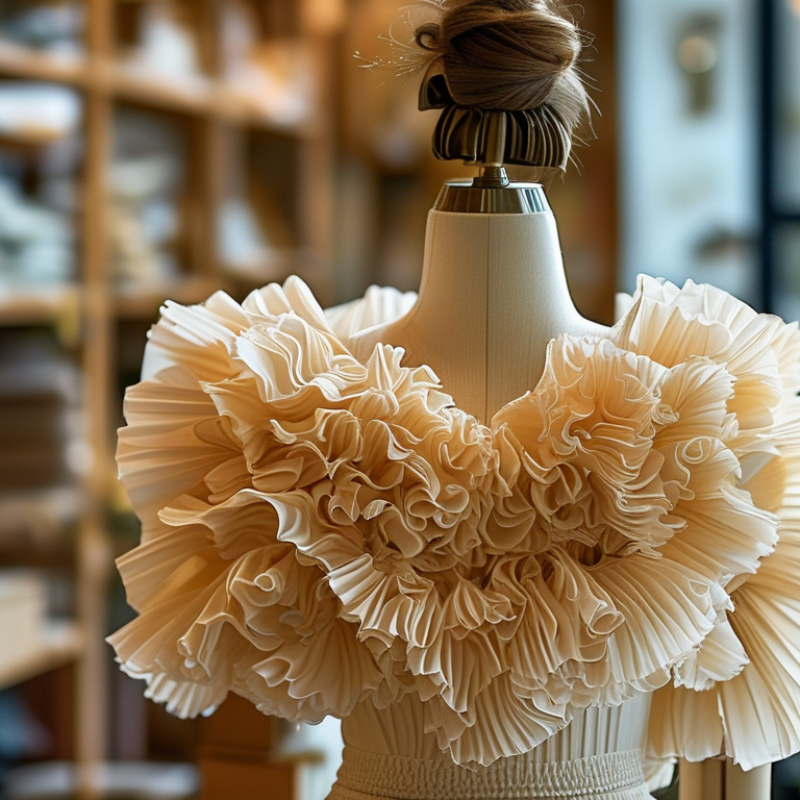
Artisanal pleated garments are captivating choices for both consumers and businesses. They blend traditional craftsmanship with modern aesthetics. The market demand for these unique pieces has increased recently, reflecting a shift toward more sustainable fashion. Shoppers appreciate the individuality and detailing that artisanal designs provide. This preference presents an opportunity for businesses to curtail mass production and focus on quality.
Understanding your target audience is crucial. Many consumers are becoming more conscious of where their clothes come from. They seek brands that tell a story. Incorporating local artisans and responsible sourcing can enhance your brand's appeal. Building relationships with skilled artisans also fosters reliability. However, it's important to navigate the challenges of supply chain logistics. Artisanal pieces can sometimes involve longer lead times. Patience and adaptability in your business model are necessary.
This market requires constant reflection. What works for one area may not fit another. Trends shift rapidly, and consumer preferences evolve. Regularly evaluating your offerings is essential. Gathering customer feedback can guide your sourcing strategy. Emphasizing craftsmanship and ethical practices can set your brand apart. In the world of fashion, authenticity resonates deeply. Engaging with the community around artisanal production can enrich your brand's identity.
How to Source Artisanal Pleated Garments for Your Business?
| Garment Type |
Material |
Average Price (per unit) |
Sourcing Region |
Market Demand (1-10) |
| Pleated Skirt |
Cotton Blend |
$45 |
Southeast Asia |
8 |
| Pleated Dress |
Silk |
$120 |
South Asia |
9 |
| Pleated Trousers |
Linen |
$59 |
Europe |
7 |
| Pleated Blouse |
Viscose |
$75 |
Central America |
6 |
| Pleated Jumpsuit |
Tencel |
$80 |
Africa |
8 |
Identifying Reliable Sources for Artisanal Pleated Garments
Identifying reliable sources for artisanal pleated garments requires careful research. The global market for artisanal fashion is expected to reach $300 billion by 2025, according to industry forecasts. This growth highlights the increasing demand for quality, handcrafted textiles. To tap into this market, sourcing from experienced artisans is crucial. Platforms like trade shows and craft fairs can reveal unique suppliers.
Building relationships with local artisans can strengthen your supply chain. Engage with communities where pleating techniques are traditional. According to a 2022 report, 72% of consumers now prefer sustainable fashion. This shift prompts businesses to prioritize ethically sourced products. Direct communication with artisans allows for a deeper understanding of their techniques.
However, relying solely on social media for sourcing may lead to inconsistent quality. It's important to visit workshops and assess craftsmanship firsthand. According to a 2023 study, about 30% of buyers faced quality issues when sourcing remotely. Engaging in face-to-face interactions helps mitigate risks and fosters trust. Acknowledging these challenges can lead to better sourcing decisions.
Artisanal Pleated Garments Sourcing Insights
Evaluating Quality and Craftsmanship in Pleated Clothing
Evaluating the quality and craftsmanship of artisanal pleated garments is crucial for any business. A recent industry report by the Textile Research Journal indicates that well-crafted pleated clothing can command prices up to 30% higher than mass-produced options. This highlights the value of impeccable craftsmanship.
To effectively assess craftsmanship, focus on the construction of the pleats. Each fold should be sharp, evenly spaced, and consistent throughout the fabric. Pay attention to the stitching. High-quality garments often feature hidden seams and reinforced edges. A visible stitch could indicate lower craftsmanship, which might not hold up to long-term wear.
Tips: Examine the fabric content. Natural fibers like silk or cotton usually enhance the garment's durability and drape. Check for irregularities, as artisanal pieces can still have slight variations. These differences often add to the character, but significant flaws could indicate poor quality.
Investing in artisanal pleated garments involves understanding the balance between uniqueness and durability. Look for brands that provide transparency in their sourcing practices. A commitment to ethical production often leads to better quality control, ensuring that each garment meets high standards. This due diligence can protect your brand's reputation while offering beautifully crafted pieces to your customers.
Building Relationships with Artisan Producers and Suppliers
Building relationships with artisan producers and suppliers is crucial for sourcing artisanal pleated garments. Access to unique craftsmanship can enhance your product offerings. Research indicates that the global demand for sustainable fashion is growing, with 67% of consumers willing to pay more for eco-friendly products.
To establish trust, start by visiting local artisan workshops. In-person interactions help you understand their techniques and capabilities. Cultivating these relationships requires patience and respect for their processes. While many artisans are skilled, some may lack knowledge in business practices, which can be a challenge. Offering support in areas such as marketing or production can foster loyalty.
Communication is key. Regular check-ins can help maintain strong ties. Reports show that transparent relationships lead to better collaboration. This will ensure consistent quality and timely deliveries. Remember, artisans may face setbacks, from material shortages to fluctuating demand. Acknowledging these realities can deepen your partnership and reflect positively on your brand's ethos.
Strategies for Marketing Your Sourced Artisanal Garments
Marketing artisanal pleated garments requires a thoughtful approach. Highlight the unique qualities that set these pieces apart. Focus on craftsmanship, materials, and the story behind each item. Use storytelling to engage your audience. This will create a connection that resonates with potential customers.
**Tips:**
Invest in high-quality photography. Visuals should capture the texture and detail of the pleats. Ensure images are well-lit and styled. Engage users on social media with behind-the-scenes content. Share the artisans’ stories to build trust and authenticity.
Building an online presence is essential. Use platforms that align with your target market. Regularly update your content to keep it fresh. Authentic engagement can lead to loyal customers. Monitor trends in sustainable fashion, as many consumers prioritize eco-friendly options. Reflect on customer feedback to continuously improve your offerings.