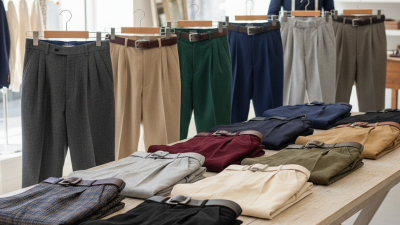
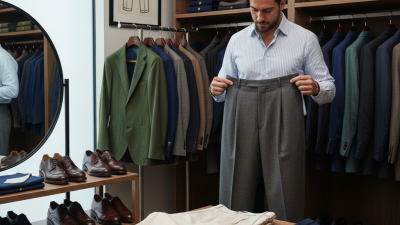
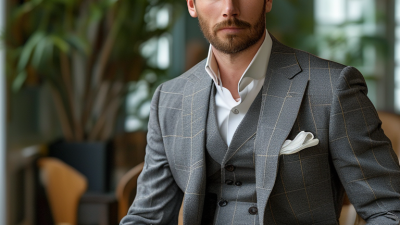
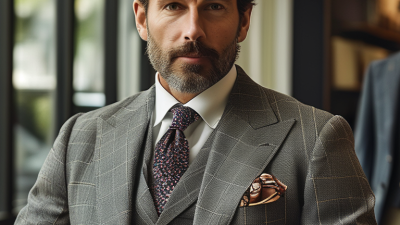
Pleated Suit Trousers are returning to modern tailoring, but their appeal is not purely nostalgic. The front pleats create extra fabric around the waist and hips. That fabric can improve movement, comfort, and visual balance. It can also look untidy when the cut is careless.
Menswear authority Alan Flusser puts the principle plainly: “The trouser is the foundation of the suit.” His observation explains why trouser fitting deserves more attention than it often receives. A jacket may attract the eye first, yet poorly fitted trousers can weaken the entire silhouette.
A well-fitted pair should sit securely at the natural waist, without gripping the stomach. The pleats should fall closed or nearly closed when standing. They should not pull sideways across the hips. The rise must provide enough room when sitting, while the seat should follow the body without clinging. Check the fabric near the pockets. Bulging pockets usually signal tension or insufficient room.
The leg line matters, too. A moderate taper can look clean, but excessive narrowing may fight the pleated shape. At the ankle, the hem should meet the shoe with a controlled break. Some wearers prefer no break. Others choose a slight fold.
Fit is personal. There is no single perfect proportion.
In practical fittings, small changes often matter most. Adjusting the waistband by one centimetre can transform comfort. A slight hem alteration can steady the whole appearance. Still, pleats are not magic. They cannot rescue poor pattern cutting or the wrong size.
This guide examines what Pleated Suit Trousers are, how their construction affects movement, and how they should fit in real life. Expect clear standards, but leave room for honest judgment.
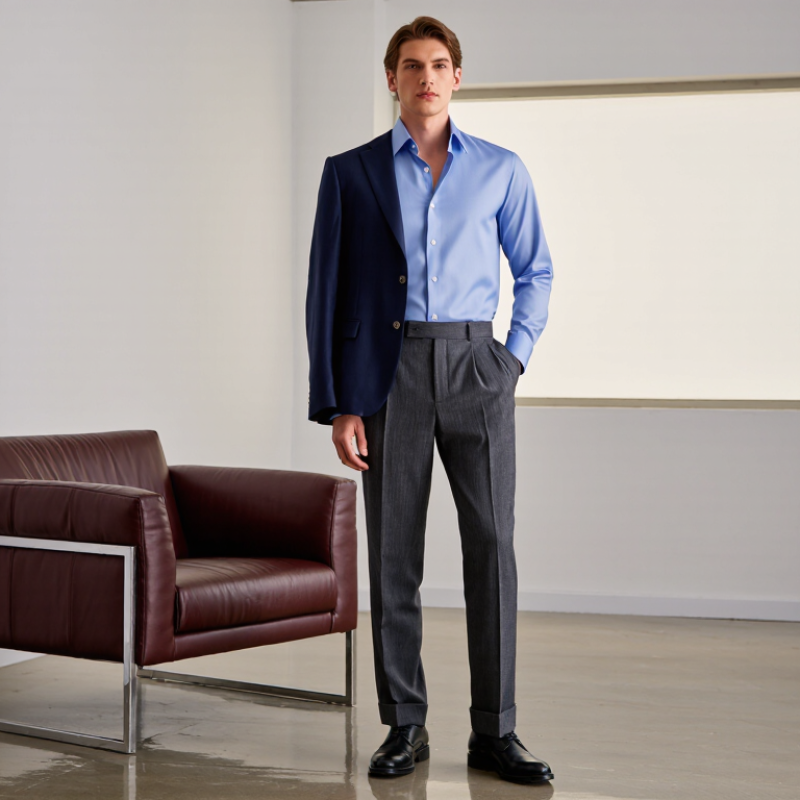
Pleated suit trousers have folded fabric at the front waistband. The pleats create extra room around the hips and upper thighs. Single pleats look clean and restrained. Double pleats offer more movement and a softer drape. They also give trousers a traditional tailoring character. A proper pair should sit at the natural waist, not below the hips. The waistband must close comfortably without pulling. There should be no sharp strain lines near the pleats.
Fit matters more than pleat number. During fittings, I check the seat, rise, and trouser break together. The fabric should skim the thigh, then fall straight or gently taper. Too much fabric can look careless. Too little room defeats the pleat’s purpose. McKinsey’s State of Fashion 2025 notes that shoppers remain highly value-conscious, making versatility increasingly important. Circana’s apparel tracking also identifies comfort as a strong purchase driver. Pleated trousers can answer both needs, but only when movement remains easy. A small imperfection is acceptable. A collapsing waistband is not.
Tips: Try trousers while sitting and walking. Check whether the pleats open dramatically. They should rest quietly when standing. Choose medium-weight wool for a cleaner drape. Keep the hem lightly touching the shoe. A full break may overwhelm the front folds. Tailoring can adjust the waist and hem, but major rise changes are difficult. Judge the fit in daylight, not only under fitting-room lights.
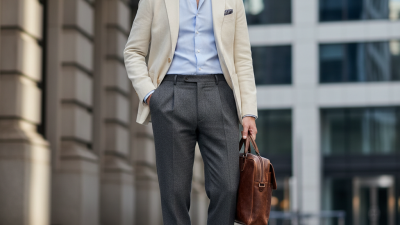
Pleated suit trousers create room through controlled folds at the waistband. Their shape depends heavily on pleat direction and depth. Single pleats give a clean, moderate silhouette. They suit slimmer legs and conservative tailoring. Double pleats add more volume across the stomach and upper thigh. They can feel generous, but poor cutting may look bulky. Forward pleats open toward the fly and often create a sharper, streamlined line. Reverse pleats open toward the pockets and usually offer a softer, fuller appearance.
Fit matters more than the pleat count. SizeUSA’s 3D body-scan study measured more than 10,000 adults, revealing substantial variation in waist, hip, and thigh proportions. Standard sizing cannot capture every body. The waistband should sit securely without digging in. Fabric should skim the seat, not pull across it. When standing, pleats should lie mostly flat. When sitting, they should open naturally without exposing the pocket lining. Allow about 2.5 to 4 centimeters of ease through the thigh for comfortable movement, depending on fabric weight and posture.
The 2024 State of Fashion report from McKinsey and The Business of Fashion highlights stronger consumer pressure for value and durability. That makes practical comfort important, not merely decorative volume. Wool trousers with deeper pleats can drape beautifully, though lightweight cloth may reveal every fold. I have found that a slightly fuller trouser often looks better after walking, sitting, and reaching. Still, tailoring advice is not universal. My own first fitting was too loose at the waist, and the pleats lost their purpose. A competent tailor should adjust the waistband, rise, and seat together.
Pleats are folds sewn into the front waistband of trousers. The chart shows the standard number of front pleats used in common trouser constructions.
Flat-front trousers: Have no pleats, creating the cleanest and slimmest visual line. They should lie smoothly without pulling across the hips or pockets.
Single-pleat trousers: Add one fold per side, providing moderate room through the upper thigh while maintaining a relatively streamlined appearance.
Double-pleat trousers: Add two folds per side, creating more front volume and ease. They work best when the waistband sits securely and the trouser leg falls cleanly from the fullest part of the hip.
Triple-pleat trousers: Add three folds per side and produce the fullest, most traditional silhouette. They require careful tailoring to prevent excess fabric from collapsing or ballooning.
A well-fitting pair should sit comfortably at the natural waist, keep the pleats closed while standing, and allow comfortable movement without pulling or excessive drape.
What Are Pleated Suit Trousers and How Should They Fit?
Pleated trousers need accurate measurements, not guesswork. Start with the natural waist, usually above the hip bones. Keep the tape level and snug, but never tight. The CDC’s Anthropometric Reference Data for United States Adults, 2015–2018, reports an average male waist of 40.5 inches. That figure shows why labeled sizes can mislead. Your personal measurement matters more than the number inside the waistband.
Measure the rise from the crotch seam to the top of the waistband. A higher rise should sit comfortably without pressing your stomach. Sit down during the fitting. The waistband should stay flat. For the seat, measure the fullest area of your hips and seat. Leave enough room for movement, but avoid loose fabric beneath the pleats. Pleats should fall closed or nearly closed. They should not pull sideways.
Measure trouser length from the crotch to the intended hem. Wear the shoes you normally pair with the suit. A light break usually creates a small fold above the shoe. A clean no-break finish looks sharper but demands precise hemming. Industry measurement standards, including ASTM body-measurement guidance, stress consistent landmarks and posture. I still recheck the tape twice. Bodies are not perfectly symmetrical. Neither is every fitting room mirror.
| Indicative Size | Body Waist (in / cm) |
Trouser Waist (in / cm) |
Seat / Hip (in / cm) |
Front Rise (in / cm) |
Suggested Finished Length (in / cm) |
Typical Fit Check |
|---|---|---|---|---|---|---|
| 30 | 29–30 / 74–76 | 30 / 76 | 37–38 / 94–97 | 10.0–10.5 / 25–27 | 30–31 / 76–79 | Waist lies flat; pleats remain closed when standing. |
| 32 | 31–32 / 79–81 | 32 / 81 | 39–40 / 99–102 | 10.5–11.0 / 27–28 | 30–31 / 76–79 | One or two fingers should fit comfortably inside the waistband. |
| 34 | 33–34 / 84–86 | 34 / 86 | 41–42 / 104–107 | 11.0–11.5 / 28–29 | 30–32 / 76–81 | The seat skims the body without pulling across the fullest area. |
| 36 | 35–36 / 89–91 | 36 / 91 | 43–44 / 109–112 | 11.5–12.0 / 29–30 | 30–32 / 76–81 | The rise covers the seat comfortably without excess fabric at the front. |
| 38 | 37–38 / 94–97 | 38 / 97 | 45–46 / 114–117 | 12.0–12.5 / 30–32 | 31–32 / 79–81 | The waistband stays level while walking, sitting, and standing. |
| 40 | 39–40 / 99–102 | 40 / 102 | 47–48 / 119–122 | 12.5–13.0 / 32–33 | 31–32 / 79–81 | The trouser line falls cleanly with no strain at the fly or pockets. |
| Dimension | How to Measure | Correct Fit Indicator |
|---|---|---|
| Waist | Measure around the area where the trousers will sit, keeping the tape level and comfortably close to the body. | Secure without pinching. The waistband should not gap, roll, or require a tight belt. |
| Rise | Measure from the center of the crotch seam to the top edge of the waistband on a flat pair of trousers. | The waistband sits at the intended position, and the crotch feels comfortable when sitting. |
| Seat | Measure around the fullest part of the hips and seat, keeping the tape parallel to the floor. | The fabric follows the body without horizontal drag lines, pocket flare, or excessive looseness. |
| Trouser Length | Measure from the top of the waistband, along the outside leg, to the desired hem point. | A classic suit hem usually creates a slight break at the shoe; the exact length depends on preference and leg shape. |
Pleated trousers have one or more folds at the front waistband. The pleats add controlled room through the upper thigh and seat, but they should lie mostly flat when standing. Measurements are general body and finished-garment guidelines; tailoring may be needed because cut, fabric, posture, and preferred rise can change the final fit.
Pleated suit trousers are designed to create controlled room across the front body. Their fit should look relaxed, never careless. At the waistband, the trousers should sit securely without digging into your stomach. You should slide one or two fingers inside. More space often signals poor adjustment.
Through the rise and seat, comfort matters most. Sit down and check whether the waistband stays level. The fabric should not pull sharply beneath the seat or form horizontal stress lines. Around the thighs, allow movement without creating excessive folds. The pleat should fall smoothly from the waistband, then close naturally while standing. It should not gape open. It should not disappear under tension. During fittings, I also check the trouser crease. It should travel vertically over the knee and remain visually balanced with the jacket.
This detail affects practical clothing decisions. The 2024 NRF and Appriss Retail Returns Report estimated that 16.9% of annual retail sales were returned in the United States. Poor fit remains one likely contributor, especially when buyers cannot assess movement online. A well-fitted pleated trouser can reduce that uncertainty, but no measurement rule is flawless. Textile Exchange’s 2024 Materials Market Report recorded global fibre production at 124 million tonnes in 2023. That figure makes durability worth considering. Choose enough room for sitting, walking, and minor tailoring. Too much volume looks untidy. Too little makes the pleat work against you.
Pleated suit trousers need room, but they should never look shapeless. The pleats should lie flat when standing and open slightly while sitting. If they pull across the stomach, the waistband is probably too tight. If they gape, the trousers may be too large or the rise may be wrong. Check the seat as well. Excess fabric beneath the back pockets often signals a loose seat, while diagonal wrinkles can indicate tension. The waistband should sit securely without pressing into your skin. Comfort matters.
Small adjustments can improve the fit considerably. A tailor can reduce the waistband, refine the seat, or taper the legs from the knee downward. The rise is harder to change, so choose it carefully before buying. Trouser hems should create a clean, modest break over the shoes. Too much fabric makes pleated trousers look heavy. No break can look overly sharp. Avoid sizing down just to flatten the pleats. That usually creates strain around the hips and pockets. I have also found that sitting exposes problems standing cannot show. Try a chair test before accepting the fit. Some wrinkles are normal. Perfect trousers are not always possible with every fabric, body shape, or alteration budget.