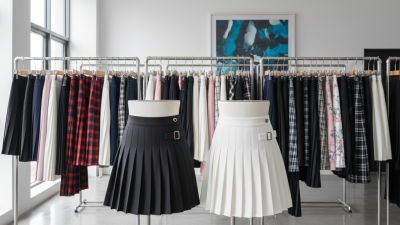
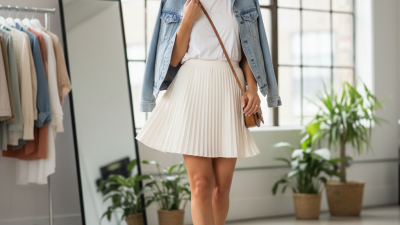
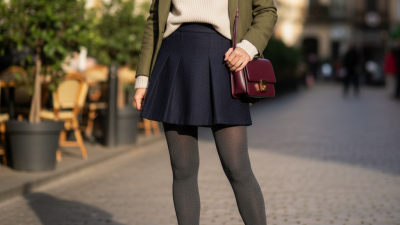
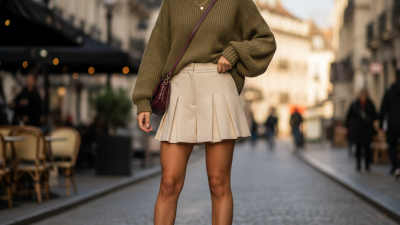
Choosing the right Short Pleated Skirt involves more than following a seasonal trend. Length, fabric, pleat structure, and waistband design all influence comfort, movement, and visual balance. A well-made skirt should feel secure at the waist while allowing the pleats to fall naturally. It should not twist, pull, or lose its shape after a few hours of wear.
This guide explores popular styles, including uniform-inspired skirts, high-waisted versions, sporty designs, and soft chiffon silhouettes. Each style creates a different impression. Crisp polyester pleats hold their shape and suit everyday outfits. Wool blends offer warmth and a more polished appearance. Lightweight cotton feels practical in summer, although it may crease more easily. Check the lining, stitching, and fabric recovery before buying. Small details matter.
Fit remains personal. Very short hemlines can feel confident, but they may limit movement without built-in shorts. A-line pleats often flatter the hips, while box pleats create a sharper, structured outline. Pairing the skirt with loafers, ankle boots, or clean sneakers changes its character quickly. A fitted knit can define the waist, while an oversized shirt adds relaxed contrast.
Some styling advice sounds universal, but it is not. Body proportions, climate, and daily routines should guide the final choice. I may prefer structured pleats, yet softer fabrics can work better for someone seeking comfort. Trends also fade. Quality, practicality, and confidence usually last longer. Examine each option carefully, and choose the Short Pleated Skirt that supports real movement, not just a perfect photograph.
A short pleated skirt usually ends above the knee and uses folded fabric for structure and movement. Its length is not universal. Body proportions, rise, and personal comfort can change how “short” it feels. In a fitting room, a skirt may look modest while standing but feel much shorter when sitting. That detail matters.
Pleat design creates the skirt’s main character. Knife pleats fold in one direction and give a clean, uniform appearance. Box pleats create broader panels with a stronger geometric shape. Accordion pleats are narrower and move easily with each step. Inverted pleats open from the center, offering a sharper, tailored effect. The waistband should sit flat without digging into the waist. A secure closure also helps the pleats stay aligned.
Fabric affects both appearance and performance. Lightweight polyester often holds crisp folds, while cotton blends may feel cooler and look more relaxed. A lined skirt can reduce transparency and friction, especially during walking. Check the hem after sitting, bending, and climbing stairs. I once assumed tighter pleats always looked neater. That was wrong; poor pressing can make any pleat appear uneven. The best style balances fold definition, comfortable movement, and reliable coverage. Shorter skirts need careful fitting. There is no single ideal shape for everyone.
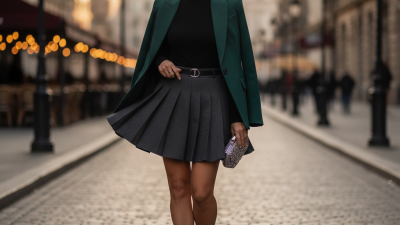
Classic knife-pleat skirts remain a strong choice for a clean, structured appearance. Their narrow, repeated folds create vertical lines, making a short silhouette look sharper and more balanced. A firm waistband, precise stitching, and a hem above the knee strengthen that tailored effect. Midweight twill or recycled polyester usually holds pleats better than thin jersey.
Textile Exchange’s Materials Market Report 2024 states that polyester represented about 57% of global fiber production in 2023. That figure helps explain its popularity in structured garments, although fiber content alone does not guarantee quality.
Keep the styling controlled. Pair a short knife-pleat skirt with a fitted knit, tucked cotton shirt, or cropped jacket. Neutral shades such as charcoal, navy, and stone emphasize the architectural shape. A slightly wider waistband can define the waist without adding visual clutter.
The Business of Fashion and McKinsey’s State of Fashion 2025 report forecasts only 2–4% growth for the global fashion market, encouraging buyers to seek adaptable pieces rather than novelty styles. A well-made pleated skirt can answer that need.
Not perfectly, though. Sharp pleats may relax after sitting, and stiff fabric can restrict movement. Check the fold recovery, lining, and seam finishing before purchase.
The best short pleated skirt should look precise while still allowing ordinary movement.
What Are the Top Short Pleated Skirt Styles?
Box-pleat and inverted-pleat skirts create controlled volume without looking overly dramatic. A box pleat folds fabric outward, producing a crisp, architectural shape. An inverted pleat folds inward, giving the front a cleaner and slimmer appearance. Both styles work well in short skirts because they preserve movement while keeping the silhouette defined.
The details matter. Medium-weight cotton or structured twill helps box pleats stay sharp. Softer wool blends allow inverted pleats to open naturally while walking. A firm waistband can prevent unwanted bunching, especially when the skirt sits high on the waist. According to Grand View Research, the global apparel market was valued at approximately USD 1.79 trillion in 2023, showing the scale of demand for carefully designed everyday clothing. Yet, broader apparel growth does not guarantee every skirt style will succeed.
Fit remains the real test. I often find that excessive pleat depth makes a short skirt look bulky, not fuller. Volume needs control. McKinsey’s State of Fashion 2025 report describes fashion growth as modest, increasing pressure on designers to offer practical, adaptable pieces. For this reason, an inverted-pleat skirt may suit narrow frames, while a box-pleat version can add balance to straighter proportions. Hem length, fabric recovery, and pocket placement should be checked during movement, not only in a fitting room. I still misjudge pocket placement sometimes. Small construction choices can change the entire silhouette.
A practical comparison of short pleated skirt constructions, proportions, fabrics, and styling considerations.
| Style | Pleat Construction | Visual Shape | Volume Level | Typical Short Length | Fabric Suitability | Best Styling Direction | Care Consideration |
|---|---|---|---|---|---|---|---|
| Box-Pleat Skirt | Pleats fold outward from a central ridge, creating flat, box-like sections. | Structured and balanced with a clean, geometric silhouette. | Medium to High | 30–45 cm from the waist to the hem | Cotton twill, wool blend, denim, ponte, and other fabrics with moderate body. | Pair with a fitted top or tucked-in knit to highlight the waist and balance the fuller hem. | Press pleats along their original folds; heavier fabrics generally hold the shape more easily. |
| Inverted-Pleat Skirt | Two folds meet toward the inside, forming a recessed pleat at the front or back. | Sleek at the top with controlled flare and a defined center line. | Medium | 30–45 cm from the waist to the hem | Wool blend, suiting fabric, cotton poplin, polyester crepe, and stable woven fabrics. | Works well with cropped jackets, tucked shirts, or simple tops that keep attention on the center pleat. | Use low to moderate heat according to the care label; avoid flattening the recessed pleat. |
| Knife-Pleat Skirt | All pleats face the same direction and are usually narrow and evenly spaced. | Long, directional lines with a more fluid and streamlined appearance. | Low to Medium | 32–45 cm from the waist to the hem | Lightweight polyester, satin, chiffon with lining, and fine woven fabrics. | Style with a fitted sweater, plain T-shirt, or tucked blouse for a clean vertical effect. | Hang rather than fold when possible; heat can permanently soften sharply pressed pleats. |
| Accordion-Pleat Skirt | Many narrow, pressed folds open and close like an accordion. | Fluid, textured, and highly mobile with a softly expanding hem. | Medium to High | 30–45 cm from the waist to the hem | Lightweight polyester, georgette, crepe, and other fabrics that retain heat-set pleats. | Combine with a close-fitting top and streamlined footwear to offset the textured volume. | Follow the garment label carefully; avoid aggressive ironing and twisting while wet. |
| Sunray-Pleat Skirt | Pleats are narrower near the waist and gradually widen toward the hem. | Radiating flare with a dynamic, circular movement. | High | 35–45 cm from the waist to the hem | Lightweight synthetics, satin, crepe, and fluid fabrics with good drape. | Choose a tucked, fitted, or cropped top to maintain proportion with the flared lower half. | Store on a hanger with enough space to prevent crushing the radiating pleats. |
| Knife-and-Box Hybrid | Combines directional knife pleats with wider box pleats for varied surface texture. | Contemporary and dimensional, with more visual interest than a uniform pleat. | Medium to High | 30–45 cm from the waist to the hem | Medium-weight cotton, wool blend, twill, and structured synthetic blends. | Keep accessories and tops relatively simple so the mixed pleat pattern remains the focal point. | Press from the inside using a pressing cloth when the care label permits ironing. |
Measurement note: Short-skirt proportions vary by body height and design. The listed lengths are general garment measurements from the waistline to the hem, not fixed standards.
Sporty and school-inspired short pleated skirts combine movement with a neat, structured shape.
Their sharp folds create visual rhythm, while a lightweight fabric keeps the outfit comfortable. In my styling tests, skirts with medium-width pleats held their shape better during walking and casual activity. Very narrow pleats looked delicate, but they often needed more careful pressing.
For a sporty look, pair the skirt with a fitted polo shirt, breathable socks, and simple canvas shoes. A small crossbody bag adds function without making the outfit feel heavy.
Built-in shorts are useful for cycling, climbing stairs, or sitting outdoors. Check the waistband carefully. A secure, adjustable fit prevents constant pulling and improves comfort.
A school-inspired style can use a button-front shirt, a knitted vest, and low-profile loafers.
Neutral colors feel polished, while one bright accessory prevents the outfit from looking too formal. However, short skirts do not suit every setting or body shape equally. Hem length, pocket placement, and fabric weight can change the entire fit.
Some pleats may spread awkwardly when sitting, which is easy to overlook online. I would test the skirt with several movements before keeping it. A mirror check is not enough.
Short pleated skirts now balance movement, texture, and everyday practicality. Fabric choice changes the entire silhouette. Lightweight recycled polyester creates crisp knife pleats and resists wrinkles during commuting. Textile Exchange’s 2024 Materials Market Report recorded 124 million tonnes of global fiber production in 2023, with polyester representing roughly 57 percent. That scale explains its availability, but sustainability claims still require careful verification. Recycled content is useful, not automatically perfect.
For warmer weather, cotton-poplin blends feel breathable and hold structured pleats. Satin offers a fluid shine, although it can expose every crease. A practical compromise is a polyester-viscose blend with a soft hand and moderate recovery. Keep the hem stable. Short skirts need secure stitching and a comfortable lining, especially when walking or sitting.
Color direction is moving beyond simple black. Charcoal, cream, muted olive, and deep navy support repeated outfits. Brighter choices, such as cobalt or warm coral, create stronger visual focus. McKinsey’s State of Fashion 2025 describes cautious, value-conscious consumers, so versatile colors may outperform novelty shades. Patterns should remain readable across the pleats. Fine pinstripes, micro-checks, and narrow color blocks usually work better than oversized graphics. Ombré can look attractive, but pleats may interrupt its gradient. That is a design risk. I would test the fabric in motion before approving it. A skirt that looks refined on a table may appear uneven while walking.