Choosing the perfect Skirt Pleated Short is not simply a matter of following a seasonal trend. It involves proportion, fabric behavior, comfort, and personal movement. A well-designed pleated skirt should open softly when walking, then settle neatly when standing. That small detail often separates an attractive purchase from an impractical one.
The State of Fashion 2025 report by The Business of Fashion and McKinsey & Company describes a cautious market, with global fashion growth projected at only 2% to 4%. That environment makes thoughtful buying more valuable. The Ellen MacArthur Foundation has also reported that one garbage truck of textiles is landfilled or burned every second. Therefore, choosing a versatile skirt matters. Look for durable pleats, secure stitching, and fabric that does not collapse after several wears. Polyester blends may hold pleats well, while lightweight wool or cotton can feel more breathable. Neither option is automatically perfect.
Fashion historian Rebecca Arnold offers a useful perspective: “Clothing is never just clothing.” Her point applies directly here. A short pleated skirt can suggest youth, sport, discipline, or playful confidence, depending on styling. Still, the ideal length is personal. A mirror test is not enough. Walk upstairs, sit on a chair, and check the waistband under movement. I sometimes think buyers focus too heavily on appearance. That is a mistake. A beautiful skirt that rides upward or wrinkles awkwardly will remain unworn. This guide examines fit, pleat structure, materials, styling, care, and responsible purchasing, while admitting that “perfect” depends on the wearer.
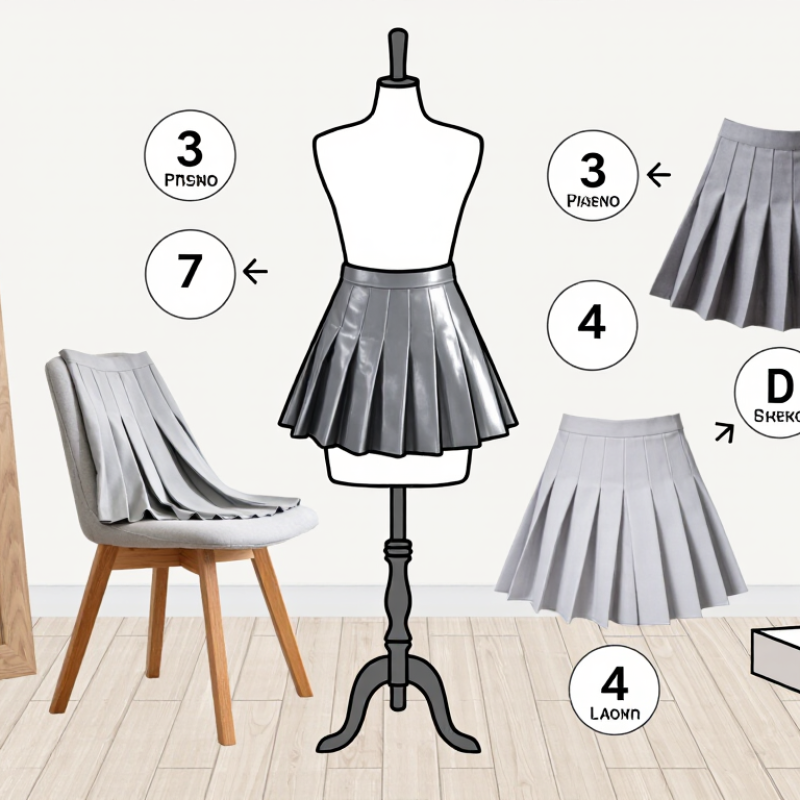
Choosing the perfect short pleated skirt begins with understanding its structure. Knife pleats create a narrow, neat rhythm, while box pleats offer a stronger, more geometric shape. Accordion pleats move softly and suit lightweight fabrics. For everyday wear, a skirt with medium-density pleats usually balances movement and coverage. Very thin fabric may cling, especially in humid weather. A lining can improve comfort and prevent unwanted transparency.
Pay attention to the waistband, hem, and pleat recovery. A firm waistband should sit flat without pressing your stomach. Check whether the pleats return to their original shape after sitting. I once chose a beautiful skirt with loose pleats, but they looked uneven after one afternoon. That experience taught me to inspect stitching and fabric memory, not only the color. A slightly longer short skirt may also feel more practical when walking or sitting.
Tips: Measure your natural waist and compare it with the garment’s actual measurement. Try sitting, climbing stairs, and taking a few longer steps. Look for secure seams and an even hem. Polyester blends often hold pleats well, while cotton may feel cooler but wrinkle faster. If you prefer a softer silhouette, choose smaller pleats and a fluid fabric. If you want sharper definition, select structured material and wider pleats. Care instructions matter too; careless ironing can flatten the design. There is no perfect style for everyone. Your comfort, movement, and daily routine should guide the final choice.
How to Choose the Perfect Short Pleated Skirt?
Choosing the right length starts with movement, not just appearance. A skirt that looks balanced while standing may rise uncomfortably when you sit. Try walking, sitting, and climbing a few steps before deciding. For many people, a hem around mid-thigh offers a practical balance between shape and coverage. Your height, leg proportions, and personal comfort still matter more than fixed rules. A mirror can mislead.
Fit should follow the body without flattening the pleats. Measure your waist where the waistband will sit, then compare that measurement with the garment’s size chart. Leave enough room to breathe and bend. The fabric should lie smoothly across the hips, with no pulling between pleats. I once chose a smaller size for a sharper silhouette, but the waistband dug in after lunch. It looked polished for ten minutes.
Pay close attention to the waistband construction. A firm, contoured band can create a clean line, while partial elastic offers more flexibility throughout the day. You should be able to slide two fingers comfortably beneath it. Check the zipper, stitching, and inner finishing, especially if the skirt feels stiff. Lightweight fabric creates softer pleats, while structured fabric holds sharper folds. No fit rule works perfectly. Recheck the skirt under natural light, with the shoes and top you actually plan to wear.
Choosing a short pleated skirt starts with the fabric, not the color. A medium-weight cloth usually keeps pleats visible without feeling stiff. Cotton blends offer breathability and everyday comfort. However, pure cotton may crease quickly after sitting. That can look charming, but not always practical.
For sharper pleats, consider polyester blends or lightweight wool. These fabrics often recover their shape well after movement. A small amount of elastane can improve comfort around the waist. Keep it modest, though. Too much stretch may soften the pleats and change the skirt’s silhouette. I once chose a very thin fabric for summer, and the skirt lost its structure by midday. It looked attractive on the hanger. Less impressive while walking.
Touch the fabric before buying. Does it feel scratchy at the waistband? Can you see through it under bright light? Gently press one pleat, then release it. Reliable fabric should return close to its original line. Check the lining, seams, and waistband construction too. A smooth lining reduces friction and helps the skirt move naturally. Care instructions matter as well. Frequent ironing can weaken delicate fibers over time. A washable fabric may be more useful than a luxurious one that requires constant care. Practical choices are not always glamorous. They are often better worn.
Moisture regain indicates how much moisture a fiber typically absorbs from standard atmospheric conditions. Higher values can improve moisture buffering and comfort, while lower values usually support faster drying. For sharp, durable pleats, polyester and nylon are often suitable because of their low moisture regain and strong shape retention. Cotton offers a balanced, breathable option, while wool provides the highest moisture buffering but may require more careful care.
Typical fiber moisture regain values at approximately 20–21°C and 65% relative humidity. Actual results vary with yarn, weave, finishing, and fabric construction.
A short pleated skirt becomes easier to style when the top balances its movement. In my styling experience, a fitted knit tucked into the waistband creates a clean, defined shape. A crisp cotton shirt adds polish, especially with the sleeves casually rolled. For a softer outfit, try a lightweight blouse with a narrow tie at the neck. Keep the blouse partly tucked if the pleats already add strong volume. Otherwise, the waist can disappear. That happened to me once.
The shoes should support the outfit’s mood and proportions. Clean sneakers make the skirt feel relaxed and practical for walking. Loafers give it a sharper, more academic character. Ankle boots add weight and work well with thicker pleats or cooler weather. Barely-there sandals create a lighter summer effect, but they may feel too delicate with a heavy sweater. Check the hem and shoe line together. A small gap of visible leg often looks more balanced than a crowded combination.
Color matters, but it does not need to match perfectly. A neutral skirt can handle a brighter top, while a patterned skirt usually benefits from simpler shoes. I once combined a checked skirt, striped shirt, and textured boots; every item looked interesting, but the outfit looked restless. Reducing one pattern improved it immediately. Walk, sit, and look in a mirror from the side before leaving. Comfort can reveal a styling mistake faster than photographs.
| Skirt Profile | Recommended Tops | Best Shoe Matches | Color Coordination | Suitable Occasions | Styling and Fit Notes |
|---|---|---|---|---|---|
| High-waisted, above-knee pleats Light to medium-weight fabric |
Fitted T-shirt, tucked-in knit top, or neat sleeveless blouse | Low-top sneakers, loafers, or simple ballet flats | Use a neutral top with a brighter skirt, or keep both pieces within one color family | Casual days, campus wear, weekend outings | The high waist visually lengthens the legs. Tucking in the top keeps the pleats visible and avoids excess bulk. |
| Structured short pleated skirt Firm fabric with defined folds |
Crisp button-down shirt, fitted polo, or fine-gauge sweater | Loafers, Mary Janes, or clean leather sneakers | Pair navy, charcoal, or black with white, cream, pale blue, or soft gray | Smart-casual offices, presentations, daytime events | Choose a top with a clean shoulder line. A narrow belt can define the waist without competing with the pleats. |
| Soft, flowing pleated skirt Lightweight fabric with fluid movement |
Ribbed tank, draped blouse, or lightweight cardigan | Strappy sandals, low block heels, or pointed flats | Soft neutrals, muted pastels, and tonal combinations emphasize the fluid silhouette | Brunches, holidays, garden gatherings, relaxed dinners | Balance the volume with a tucked or semi-fitted top. Check that the lining provides adequate coverage when the fabric moves. |
| Sporty short pleated skirt Stretch fabric or built-in shorts |
Breathable T-shirt, cropped sweatshirt, or fitted zip jacket | Running-style sneakers, canvas sneakers, or cushioned trainers | White, gray, and black create a versatile base; add one contrasting accent color | Walking, travel, recreational activities, casual errands | Look for moisture-managing or stretch fabric when active. Built-in shorts improve comfort and coverage during movement. |
| Monochrome pleated skirt Single-color or closely matched set |
Top in the same color family, or a contrasting top with minimal details | Matching flats, tonal ankle boots, or low-profile heels | Vary texture or shade instead of adding many colors; tonal dressing creates a longer visual line | Dinner dates, gallery visits, polished daywear | Keep accessories restrained so the pleat texture remains the main visual feature. |
| Bold-color or patterned pleated skirt Print or saturated shade |
Solid-colored fitted knit, plain shirt, or simple blouse | Shoes in a neutral shade already present in the skirt, such as black, white, beige, or brown | Repeat one small color from the pattern in the top or accessories for a coordinated finish | Parties, vacations, social events, creative workplaces | Avoid combining multiple competing prints. A plain top lets the skirt remain the focal point. |
| Short pleated skirt with ankle boots Medium-weight fabric for cooler weather |
Turtleneck, tucked sweater, or fitted long-sleeve top | Low-heeled ankle boots or slim lace-up boots | Coordinate the boot color with tights, the skirt, or another dark accessory | Autumn and winter city wear, casual evenings | Opaque tights add coverage and warmth. A boot shaft that ends near the ankle keeps the leg line relatively clear. |
Choosing a short pleated skirt starts with its construction, not its photograph. Run your fingers across the fabric and check whether it feels dense, even, and comfortable. Dense fabric should hold its pleats after gentle movement. Inspect the stitching around the waistband, zipper, and hem. Loose threads are warning signs. Small flaws matter.
I once bought a skirt with sharp pleats and ignored its care label. After one careless wash, several pleats looked uneven. That mistake taught me to check washing instructions before paying. A polyester blend may resist wrinkles, while delicate fibers can require hand washing or professional cleaning. Avoid high heat unless the label permits it. Hang the skirt carefully, and use a low-temperature iron with a pressing cloth when needed. It may sound excessive, but heat can permanently flatten pleats.
Overall value depends on durability, comfort, and maintenance costs. Estimate how often you will wear the skirt across different seasons. A lower price is not useful if the waistband twists or the lining clings to your legs. Sit, walk, and bend during fitting. Try it with tights and a lightweight top. The hem should stay secure without restricting movement. I also check whether the pleats return after sitting for several minutes. Some skirts look perfect in the fitting room but lose their shape quickly, which is easy to overlook.