Leave Your Message

2026 Top Short Pleated Dress Styles for Global Buyers

The 2026 Short Pleated Dress market is moving beyond simple seasonal fashion. Global buyers now examine movement, fabric recovery, sizing accuracy, and production consistency. A pleated dress must look attractive on a screen and perform well after transport, fitting, and repeated wear.

Issey Miyake, a leading authority on pleated clothing, once said, “I am not creating fashion. I am creating clothing.” This principle remains valuable for buyers selecting 2026 collections. A successful Short Pleated Dress should combine visual rhythm with practical construction. Fine polyester pleats may hold their shape during shipping. Lightweight recycled blends can improve comfort in warmer markets. However, fabric claims require supplier evidence, not attractive wording.

Details matter.

This outline will examine silhouettes, hem lengths, sleeve options, waist treatments, and pleat structures suited to international customers. It will also consider color direction, retail photography, measurement charts, minimum order quantities, and quality inspection points. Buyers should check whether pleats recover after washing, whether linings restrict movement, and whether seams remain stable around the waist. These small checks can prevent expensive returns.

No trend forecast is flawless. Some predicted colors may underperform. Certain mini lengths may suit one region but feel impractical elsewhere. That uncertainty deserves attention, not concealment. Reliable purchasing decisions come from comparing samples, testing fabrics, reviewing supplier records, and studying customer feedback. The 2026 opportunity is promising, but only when design appeal meets measurable quality and responsible international sourcing.

2026 Top Short Pleated Dress Styles for Global Buyers

Short Pleated Dress Styles Defining Global Fashion in 2026

2026 Top Short Pleated Dress Styles for Global Buyers

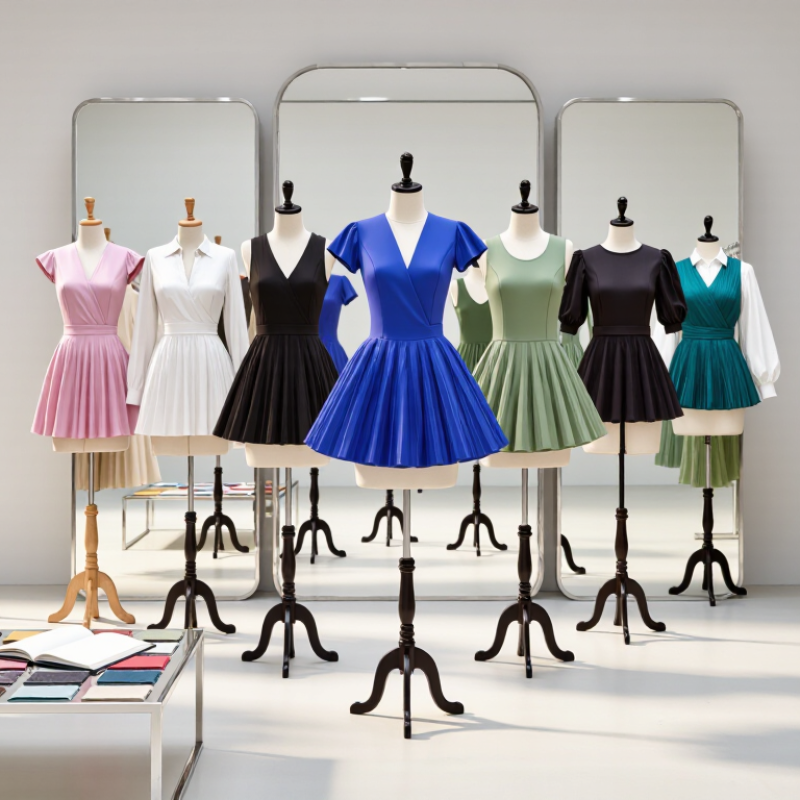
Short pleated dress styles are defining global fashion in 2026 through movement, texture, and practical versatility. Buyers are choosing compact silhouettes that work across warm cities, resort markets, and layered urban wardrobes. Fine knife pleats create a crisp surface, while wider pleats give cotton and linen dresses a relaxed rhythm. Pastels remain visible. Deep olive, clay, and midnight blue add stronger commercial options. Uneven hems and adjustable waist ties help the same style fit more customers.

From a sourcing perspective, fabric recovery matters as much as appearance. Buyers should test pleat retention after washing, especially with lightweight synthetic blends. Measure the finished garment, not only the size chart. Short lengths need secure construction around the waist, zipper, and hem. Breathable linings improve comfort in humid regions, while opaque layers protect coverage under bright light. Ask suppliers for fiber content, care instructions, production tolerances, and colorfastness records. Verifiable samples and repeatable quality checks support more reliable purchasing decisions.

The leading 2026 direction is polished but not overly formal. A pleated mini dress can carry a blazer at noon and flat sandals by evening. However, exaggerated volume may overwhelm shorter customers. That weakness deserves attention.

Some bold designs photograph beautifully but feel restrictive when seated or walking. Global buyers should balance editorial appeal with movement tests, local climate needs, and clear measurement feedback. Fashion moves quickly. A fitting session on stairs can reveal what a studio image hides.

Key Design Features and Pleat Variations

For 2026, short pleated dresses should balance movement, structure, and easy commercial appeal. The State of Fashion 2025, published by McKinsey and The Business of Fashion, forecasts only 2–4% global fashion growth. Buyers therefore need designs that justify repeat wear, not short-lived decoration. A 38–45 cm skirt length suits younger customers, while a slightly longer hem offers better coverage for international markets. Check this carefully.

Knife pleats create sharp vertical lines and suit lightweight polyester, recycled nylon, or fine cotton blends. Accordion pleats provide softer movement and perform well in travel-focused collections. Box pleats add volume around the hips, but excessive fullness can increase fabric costs and shipping weight. Sunray pleats create a refined flare, although uneven pressing may damage the visual effect. According to Euromonitor International’s 2025 apparel analysis, value-conscious shoppers increasingly prefer versatile clothing for multiple occasions. Adjustable waist tabs, concealed shorts, and wrinkle-resistant finishes can support that demand.

Color also affects perceived quality. Deep navy, cream, muted green, and restrained geometric prints are easier for buyers to merchandise across seasons. The 2025 McKinsey consumer outlook highlights ongoing price sensitivity, so lining, pleat recovery, and seam strength deserve testing before bulk production. In practice, pleats may loosen after washing. A beautiful sample can still fail. Suppliers should request wash trials, measure shrinkage, and inspect pleat alignment under natural light.

Popular Fabrics, Colors, and Seasonal Trends

Short pleated dresses are gaining attention among global buyers for 2026, especially when fabric supports easy movement and stable shape. Lightweight recycled polyester offers crisp pleats, quick drying, and consistent sizing after washing. Cotton poplin feels fresher for warm markets, although it may crease more during shipping. Linen blends provide texture and airflow, but their pleats can soften unexpectedly.

Fabric testing matters.

In production reviews, I check pleat recovery after steaming, washing, and folding. A 2% to 4% shrinkage range can change the skirt’s balance. Satin blends create a fluid, evening appearance, while matte fabrics suit daytime retail and travel collections. Buyers should request colorfastness results before confirming large orders, particularly for deep shades.

Soft butter yellow, powder blue, and sage green fit spring collections with a calm, commercial look. Terracotta, cocoa, and muted plum add depth for autumn deliveries. Black and ivory remain dependable, but small-batch color experiments can refresh familiar silhouettes. For summer, breathable cotton and linen blends work well with shorter hemlines and relaxed pleats. In cooler months, denser polyester or wool-touch blends pair better with tights and light jackets. Seasonal forecasts are useful, but they are not perfect. Last year, an expected bright orange trend underperformed in several conservative markets. Regional climate, washing habits, and local color preferences still deserve careful review.

2026 Top Short Pleated Dress Styles for Global Buyers - Popular Fabrics, Colors, and Seasonal Trends

Global buying reference for short pleated dresses by silhouette, material, color direction, season, and climate suitability

Style Direction Key Design Details Popular Fabrics Core Color Direction Best Seasons Climate / Market Fit Buyer Notes for 2026
Pleated Tennis Mini High-rise waist, structured waistband, crisp knife pleats, sleeveless or polo-inspired top Polyester-viscose twill, recycled polyester, cotton-polyester blend White, optic ivory, navy, heather grey, pale blue Spring / Summer; early Autumn layering Sportswear, resort, campus, and casual markets Prioritize opaque fabric, shape retention, easy-care finishing, and built-in shorts where appropriate.
Soft Accordion Mini Fine vertical pleats, relaxed A-line shape, short sleeves or narrow shoulder straps Polyester chiffon with lining, lightweight georgette, recycled polyester crepe Blush pink, butter yellow, lavender, sky blue, soft white Spring / Summer; occasionwear capsules Warm climates, holiday dressing, weddings, and social events Use lightweight lining and anti-static treatment to improve comfort and reduce transparency.
Belted Shirt Mini Collar, button front, defined waist, removable belt, short pleated skirt section Cotton poplin, TENCEL™ lyocell, cotton-modal blend, linen-viscose blend Khaki, sand, pale olive, chambray blue, clean white Spring / Summer; transitional Autumn Travel, city casual, office-casual, and warm-weather retail Adjustable waists and natural-looking fibers support broader fit and climate requirements.
Metallic Party Mini Radiating pleats, fitted bodice, asymmetric hem or one-shoulder neckline Metallic polyester, lurex-blend knit, satin-back crepe, foil-finished woven fabric Silver, champagne, liquid gold, copper, midnight blue Autumn / Winter; holiday and evening peaks Partywear, nightlife, festive collections, and event dressing Balance shine with a matte lining, secure closures, and careful seam finishing to prevent snagging.
Romantic Ruffle Mini Pleated skirt, ruffled neckline or sleeves, tie waist, soft volume, feminine proportions Viscose challis, cotton voile, polyester chiffon, rayon crepe Cherry red, coral, ivory, floral green, powder blue Spring / Summer; resort and occasion drops Young contemporary, vacation, datewear, and event markets Offer both solid and small-scale floral versions to support commercial and statement assortments.
Minimal Sleeveless Mini Clean neckline, narrow shoulder straps, tonal pleats, streamlined body-skimming fit Viscose crepe, polyester crepe, ponte knit, recycled nylon blend Black, espresso brown, stone, deep navy, muted sage All seasons with layering; strongest in Spring / Summer Urban basics, office-to-evening, and multi-season wardrobes A restrained silhouette improves repeat wear; include adjustable straps and a smooth lining.
Preppy Blazer Mini Pleated skirt with lapel detail, double-breasted front, structured shoulders, optional belt Wool-look polyester, viscose-polyester suiting, stretch twill, recycled polyester suiting Charcoal, camel, burgundy, navy, houndstooth neutrals Autumn / Winter; Spring transitional dressing Back-to-school, smart casual, city dressing, and cooler regions Use moderate stretch, functional pockets, and removable tailoring details for easier sizing.
Denim Pleated Mini Low- to mid-rise options, front pleats, utility pockets, contrast stitching, casual hem Cotton denim, cotton-elastane denim, lyocell denim, recycled cotton blends Washed indigo, ecru, vintage blue, charcoal, faded black Spring / Summer; Autumn with tights and boots Casualwear, youth markets, festivals, and everyday retail Specify fabric weight and wash consistency; lighter denim improves warm-climate usability.
Sporty Zip-Front Mini Front zip, polo collar or racerback, elastic waist, engineered pleats, practical pockets Nylon-spandex, polyester-spandex, recycled nylon, performance piqué Black, white, cobalt, bright green, raspberry, optic grey Spring / Summer; indoor activity and travel Active lifestyle, athleisure, golf-inspired, and resort markets Look for moisture management, four-way stretch, secure pockets, and colorfastness.
Satin Cowl-Neck Mini Fluid cowl neckline, slim bodice, softly flared pleated skirt, adjustable straps Recycled polyester satin, acetate-blend satin, viscose satin, satin crepe Jewel green, wine, sapphire, black, pearl ivory Autumn / Winter; evening and occasion capsules Eveningwear, celebrations, travel dressing, and indoor events Prioritize bias stability, low-wrinkle performance, and a soft lining to improve comfort and fit.
Cross-Season Buying Priorities: easy-care pleat retention, recycled or cellulosic fiber options, opaque linings, adjustable waists, functional pockets, breathable constructions for warm climates, and layering compatibility for cooler markets.

Fit, Sizing, and Buyer Preferences Across Markets

2026 Top Short Pleated Dress Styles for Global Buyers

Fit, Sizing, and Buyer Preferences Across Markets

Short pleated dresses are gaining attention for their movement, light structure, and easy styling. Buyers should judge more than the garment’s visual appeal. Waist placement, skirt volume, and pleat recovery strongly affect customer satisfaction.

Professional fitting reviews should test several body shapes before production. A sample may fit a 168-centimeter model well, yet feel tight across the hips on another wearer. Measure the bust, waist, hip, shoulder, and dress length separately. Keep production tolerance clear, especially around the waistband. A two-centimeter difference can change comfort.

Size labels vary across markets. A medium in one region may match a small or large elsewhere. Reliable suppliers should provide finished garment measurements, not only body-size charts. Buyers can compare these figures with local sales data and return reasons.

Petite customers may prefer shorter lengths and higher waistlines. Taller customers often need more torso room and extended hems. These are tendencies, not fixed rules.

Practical details matter. Soft lining, stable pleats, and secure side seams support repeated wear. Lightweight fabrics can improve comfort, but they may expose uneven pressing. Test the dress while walking, sitting, and raising both arms. Movement reveals problems that a studio fitting misses.

Preferences also differ by retail channel. Online shoppers need precise photos and clear measurement instructions. Physical-store customers may accept firmer shaping after trying the garment. Some decisions remain uncertain. Even strong fit data cannot predict every preference. That limitation deserves honest review.

Sourcing, Quality Standards, and Global Purchasing Considerations

2026 Top Short Pleated Dress Styles for Global Buyers

Short pleated dresses are gaining attention for their movement, compact packing, and adaptable seasonal appeal. Global buyers should evaluate construction before reacting to visual trends. A sharp pleat can lose definition after washing. A practical sourcing process begins with approved samples, graded size measurements, and clear fabric specifications. Suppliers should provide fiber content, fabric weight, shrinkage results, and colorfastness records. These details support consistent purchasing decisions.

Quality checks should cover pleat recovery, seam strength, zipper performance, and hem balance. For lightweight dresses, I recommend testing several sizes, not only the sample size. A small size may look perfect while a larger size pulls across the waist. That problem is easy to miss. An inspection plan can include measurement tolerance, appearance checks, and random packing reviews. Buyers should also confirm labeling, packaging, and chemical safety requirements for each destination market. Requirements vary widely.

Sourcing teams need realistic minimum order quantities and production calendars. Short pleated styles may require extra pressing time and careful folding during shipment. Over-compressed cartons can create permanent creases. Requesting a pre-production sample helps identify this risk early. A limited trial order can reveal fabric behavior, worker consistency, and communication gaps. It may reduce initial efficiency, but it protects future purchasing decisions. No quality system is perfect. I have seen attractive samples hide uneven pleats in bulk production, so documented inspections remain essential.