Leave Your Message

Top Single Pleat Pants Manufacturers for Global Buyers

Choosing the right Single Pleat Pants manufacturer requires more than comparing factory prices. Global buyers need consistent tailoring, dependable communication, and evidence of responsible production. A supplier may show excellent photographs, yet the real test appears in fabric recovery, waistband stability, and stitching after repeated wear. Details matter.

This guide examines manufacturers through practical sourcing criteria. It considers production experience, material options, sampling procedures, minimum order quantities, and quality-control systems. Cotton blends, wool fabrics, and recycled fibers can create different results in drape, comfort, and durability. Buyers should request fabric compositions, measurement charts, color standards, and pre-production samples before confirming bulk orders. A clear inspection process can reduce costly surprises.

Compliance also deserves attention. Reliable manufacturers should support documented labor practices, product testing, traceable materials, and export-ready packaging. Their certifications must be verifiable and relevant to the buyer’s market. Factory visits, independent audits, and reference checks can strengthen confidence, although none provides a perfect guarantee. No supplier is perfect.

Pricing remains important, but the lowest quotation may conceal weak stitching, unstable sizing, or expensive rework. Experienced buyers often compare total landed cost instead of unit price alone. Shipping terms, lead times, defect allowances, and after-sales support can change the final decision. Fit still varies.

The manufacturers discussed here are evaluated for their ability to serve international apparel brands, uniform programs, retailers, and private-label projects. Some may excel in flexibility, while others offer stronger scale or fabric development. The best choice depends on product goals, order volume, and market expectations. Trust takes evidence.
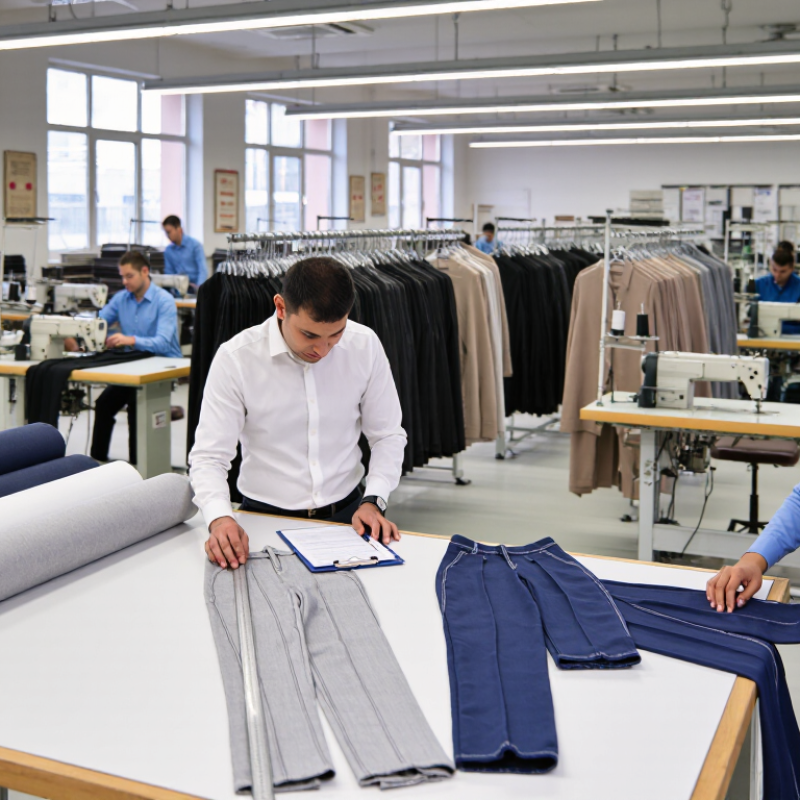
Top Single Pleat Pants Manufacturers for Global Buyers

Single Pleat Pants: Definition, Features, and Global Market Role

Single pleat pants have one vertical fold running from the waistband toward the front crease. This construction gives extra room around the hips and upper thighs. It also creates a sharper drape than flat-front trousers. The pleat may face inward or outward, depending on the pattern and target market. A deeper pleat improves movement, but excessive depth can add unwanted bulk. Fit still matters.

For global buyers, single pleat pants combine practical comfort with adaptable styling. They suit office uniforms, travel collections, and relaxed tailoring. Grand View Research valued the global apparel market at approximately USD 1.74 trillion in 2023, with continued growth expected through 2030. This wider market supports demand for versatile trousers, but it does not guarantee demand for every pleat design. Regional preferences remain important. Asian buyers may prefer a narrower silhouette, while some European markets accept fuller proportions.

Material selection also affects international performance. Textile Exchange reported global fiber production reached about 124 million tonnes in 2023. Polyester represented roughly 57% of output, while cotton accounted for about 22%. Blended fabrics can improve crease recovery and reduce drying time. However, they may feel warmer in humid climates. Buyers should test shrinkage, colorfastness, seam strength, and pleat retention before bulk production. A perfect sample can still fail after washing. That is a useful warning. Reliable manufacturers therefore document measurements, grading rules, fabric composition, and inspection results for every shipment.


Key Criteria for Evaluating Single Pleat Pants Manufacturers

Choosing a single pleat pants manufacturer requires more than comparing catalog prices. A credible factory should show consistent experience with tailored trousers, not only general apparel production. Ask for recent samples in your target fabric, such as cotton twill, wool blend, or recycled polyester. Examine the pleat’s depth, waistband alignment, pocket strength, and seam finishing. Small details matter.

Request a clear measurement chart and grading plan before placing an order. The front rise, thigh width, hem opening, and pleat position must remain balanced across sizes. A reliable manufacturer should explain shrinkage testing, colorfastness checks, and fabric inspection procedures. Ask how many pieces are checked during production. Photos help, but physical samples reveal more.

Production capacity also deserves careful review. Confirm minimum order quantities, sample lead times, bulk schedules, and packaging methods in writing. The factory should identify its quality supervisor and provide traceable inspection records. Relevant certifications can support material and labor claims, but certificates alone do not prove daily performance. Communication is another practical test. Do replies answer technical questions, or simply promise fast delivery?

No supplier is perfect. A minor shade difference may still appear between dye lots. That risk should be disclosed early, with an agreed tolerance. My own evaluation would include one pilot order before a larger commitment. It costs more time, but it exposes weak stitching, uneven pleats, or late updates before those problems reach buyers.

Leading Manufacturing Regions and Supplier Capabilities

Single pleat pants require more than basic trouser assembly. The pleat must remain centered after washing, pressing, and repeated wear. Global buyers should compare regional strengths, not only quoted prices. ITC Trade Map data identifies China, Bangladesh, Vietnam, Türkiye, and Italy among major clothing-exporting economies. Their capabilities differ considerably.

East Asian factories often provide broad fabric access, automated cutting, and dependable production planning. South Asian suppliers compete strongly in labor-intensive trouser programs and large-volume orders. Türkiye offers shorter delivery routes into Europe, with strong woven-fabric and finishing experience. Italian and Portuguese workshops generally suit smaller runs, refined tailoring, and detailed pressing. The International Labour Organization reports that structured workplace programs can improve compliance and production stability, but implementation varies by factory.

The numbers need context. The WTO’s World Trade Statistical Review shows clothing remains a significant manufactured-goods trade, despite changing consumer demand. Meanwhile, the 2025 State of Fashion outlook projected low single-digit global growth, around 2–4 percent. This suggests cautious purchasing and tighter inventory control. Buyers should request shrinkage results, pleat-recovery tests, fabric composition records, and hourly output data. Ask for production samples.

A sample may look perfect. Bulk production can still drift. Some factories also rely heavily on manual pressing, which creates variation between sizes. Independent inspections, clear tolerances, and staged approvals reduce that risk. Delivery performance deserves equal attention, especially when fabrics come from another country.

Top Single Pleat Pants Manufacturing Regions for Global Buyers

Apparel export value provides a useful comparison of manufacturing scale and sourcing depth. The figures below are rounded 2023 apparel-export values reported through WTO and ITC trade data; they represent the wider apparel sector, not single-pleat pants alone.

China Broad fabric and trim supply, vertically integrated production, and strong capacity for complex woven trousers.
Bangladesh Large-scale cut-and-sew capability, competitive labor costs, and strong experience in woven bottoms.
Vietnam Reliable export manufacturing, improving fabric development, and strong production discipline for international programs.
India Flexible order quantities, diverse cotton and blended fabrics, and established tailoring expertise for structured trousers.
Türkiye Fast European replenishment, strong fabric quality, and suitable capabilities for smaller, fashion-sensitive production runs.

Source reference: WTO and ITC trade statistics, 2023 apparel-export data, rounded to the nearest billion U.S. dollars. Regional strengths are general sourcing characteristics and should be verified with supplier audits and product-specific samples.

Quality, Customization, and Compliance Standards for Global Buyers

Top Single Pleat Pants Manufacturers for Global Buyers

Reliable single pleat pants manufacturers combine consistent workmanship, flexible customization, and documented compliance. Experienced production teams check pleat alignment, waistband tension, pocket strength, and seam density during sewing. A well-made sample should keep its shape after washing, pressing, and repeated movement. Fabric testing should cover fiber content, colorfastness, shrinkage, and pilling. These details affect comfort and return rates.

Customization goes beyond selecting colors. Global buyers may request adjusted rises, leg widths, pocket shapes, lining materials, labels, and packaging. Clear measurement charts reduce avoidable errors. However, a perfect sample can still hide production weaknesses. Buyers should review pre-production samples and inspect bulk goods through an independent quality process. No supplier is flawless. The important question is how quickly problems are recorded, explained, and corrected. Compliance records should include factory audits, worker safety procedures, material documentation, and destination-market labeling requirements. Environmental claims also need evidence, not attractive wording.

Tips: Ask for a complete size set, not one sample. Confirm fabric composition in writing. Test shrinkage before approving bulk cutting. Request photos of packed cartons and finished measurements. Keep a written approval trail. Small checks prevent expensive surprises.

How to Select and Work With the Right Manufacturer

Selecting the right single pleat pants manufacturer starts with measurable evidence, not attractive catalog photos. Request fabric composition, shrinkage results, stitching samples, and recent production images. A dependable supplier should explain waistband construction, pleat depth, pocket reinforcement, and pressing methods clearly. Ask for a physical sample in your intended fabric. Digital approval alone can hide poor drape.

Check manufacturing experience through practical questions. How are size tolerances recorded? Who inspects trousers before packing? Can the factory manage small trial orders before larger production? Review their quality documents, workplace practices, and export experience. References from comparable buyers can reveal delayed replies, inconsistent grading, or unexpected surcharges. Those details matter more than polished presentations.

Work with one technical contact and share a precise specification sheet. Include measurements, thread color, label placement, folding instructions, and acceptable defect limits. Approve a pre-production sample before cutting begins. During production, request dated photos of fabric rolls, cutting tables, and finished cartons. An independent inspection may be worthwhile for larger orders. It adds cost, but reworking thousands of pairs costs more. Keep payment terms, delivery dates, and correction procedures in writing. I have seen buyers focus heavily on unit price and regret ignoring packing quality. That is an easy mistake to repeat. Leave room for realistic lead times, especially around factory holidays and peak shipping periods.

Top Single Pleat Pants Manufacturers for Global Buyers - How to Select and Work With the Right Manufacturer
Evaluation Dimension What Global Buyers Should Look For Typical Industry Benchmark Why It Matters for Single Pleat Pants Documents or Evidence to Request
Product Specialization Experience producing tailored trousers, school or work uniforms, casual chinos, and formal pants with consistent pleat construction. At least 3 relevant product categories and recent samples in the requested fabric weight. Single pleats must remain symmetrical and lie flat after pressing, laundering, and extended wear. Technical specification sheets, sample photos, physical samples, and reference production records with confidential information removed.
Pattern and Fit Development In-house pattern-making or a stable technical team capable of grading waist, hip, rise, thigh, knee, and hem measurements. Pre-production fit approval normally includes a base size, graded size set, and measurement tolerance chart. Incorrect rise or pleat placement can cause pulling across the abdomen and uneven drape through the front. Pattern development workflow, measurement chart, graded nest, fit sample comments, and alteration history.
Minimum Order Quantity MOQ should be assessed separately for each style, color, fabric, and size ratio rather than treated as one universal figure. Common apparel programs may range from approximately 300 to 1,000 pieces per style or color; smaller pilot orders may require a surcharge. Lower MOQs reduce inventory risk, while larger runs usually improve fabric utilization and unit economics. Written MOQ policy, sample-order terms, surcharge schedule, and size/color ratio requirements.
Sampling and Approval A structured process covering prototype, fit sample, size set, pre-production sample, and shipment approval. A complete development cycle commonly takes about 2–6 weeks after receiving final artwork, measurements, and materials. Multiple approval stages help control pleat depth, waistband construction, pocket shape, crease position, and pressing quality. Sample calendar, approval form, sample revision policy, and clearly identified approval responsibilities.
Production Lead Time Capacity planning should include fabric booking, trims, cutting, sewing, finishing, inspection, and export preparation. Approximately 45–90 days after material approval is a common planning range, excluding exceptional delays and peak seasons. Reliable scheduling is essential when trousers are part of seasonal collections or coordinated uniform deliveries. Capacity plan, production schedule, critical-path timeline, holiday calendar, and delay-escalation procedure.
Fabric and Trim Control Ability to source or work with woven fabrics such as cotton twill, wool blends, polyester-viscose, linen blends, and stretch constructions. Fabric composition, weight, width, shrinkage, colorfastness, and stretch recovery should be confirmed before bulk cutting. Fabric recovery and drape directly affect the appearance and durability of the front pleat. Lab test reports, fabric bulk swatches, shade bands, shrinkage results, trim cards, and approved material standards.
Quality Control System Documented inspections at incoming material, cutting, in-line sewing, finishing, and final packing stages. AQL-based final inspection is widely used; the applicable inspection level and acceptance limits should be agreed in writing. Inspection reduces defects such as uneven pleats, twisted waistbands, skipped stitches, puckering, poor pressing, and incorrect measurements. Quality manual, inspection reports, defect classification, corrective-action records, and measurement audit results.
Social and Environmental Compliance Transparent labor practices, safe working conditions, legal employment, responsible chemical handling, and traceable subcontracting. Factories may support buyer-required social audits and restricted-substance testing; requirements vary by destination and customer policy. Compliance failures can create shipment delays, reputational risk, customs issues, or cancellation exposure. Current audit reports, corrective-action plans, employment-policy documents, subcontractor list, and restricted-substance test reports.
Export and Logistics Capability Experience preparing commercial invoices, packing lists, carton markings, origin documents, and buyer-specific shipping instructions. The manufacturer should provide a confirmed handover date and support the buyer's chosen freight mode and destination requirements. Accurate documentation helps prevent customs holds and mismatches between purchase orders, cartons, and shipping records. Sample export documents, carton specification, shipping workflow, Incoterms quotation, and freight coordination contacts.
Communication and Transparency Clear response ownership, written change control, realistic quotations, and prompt disclosure of capacity or material risks. A professional supplier should confirm technical questions, sample dates, and production milestones in writing. Single pleat trousers involve detailed fit and construction decisions that are difficult to manage through vague communication. Meeting minutes, approved tech pack, change-order log, escalation contacts, and payment milestone schedule.
Commercial Terms Compare unit price together with sampling fees, tooling or pattern charges, packing, testing, freight, payment terms, and possible surcharges. A lower quoted unit price is not necessarily the lowest total landed cost; request a line-item quotation for comparison. Transparent costing makes it easier to compare suppliers and avoid unexpected charges during bulk production. Itemized quotation, proforma invoice, payment schedule, currency, validity period, and cancellation or rework terms.
Recommended Buyer Workflow Shortlist qualified suppliers, issue the same tech pack, compare samples, complete due diligence, run a pilot order, and review performance. A practical shortlist often contains 3–5 qualified manufacturers before final commercial negotiation. A controlled comparison separates genuine production capability from attractive but unsupported sales claims. Supplier scorecard, sample evaluation form, factory-audit checklist, pilot-order review, and corrective-action tracker.
Data note: The quantities and timeframes shown are indicative apparel-industry planning benchmarks, not guarantees for any individual manufacturer. Confirm final requirements through a written quotation, approved technical pack, physical samples, factory verification, and destination-market compliance review.