Choosing a dependable Pleated Suit Dress supplier in China takes more than comparing catalog photos. The right partner should understand how fabric weight, lining, and pleat construction affect the finished garment. Ask how samples are developed and whether pleats keep their shape after pressing, packing, and handling. Small details matter. A sharp lapel can look polished on a screen, while uneven pleats become obvious under bright showroom lights.
This guide explores what buyers should examine when comparing suppliers, from customization and minimum order quantities to sample costs and production timelines. Request clear measurements, fabric specifications, and photos of comparable work. Discuss quality checks for stitching, symmetry, closures, and color consistency before approving bulk production. If a supplier makes claims about certifications or responsible materials, ask for current documentation rather than relying on a badge or slogan. No supplier is automatically the best fit for every brand. A factory suited to large, repeat orders may not serve a small trial collection well. Communication also deserves a practical test: share one detailed tech pack and see whether the response addresses its actual requirements. This is not a perfect shortcut; estimates can change, and a sample cannot reveal every production risk. Still, careful questions help buyers compare suppliers on evidence, not polished promises.

A pleated suit dress combines the tailored structure of a jacket-inspired dress with folds that add movement and shape. It may have a notched collar, defined shoulders, a fitted waist, and a skirt with knife, box, or sunray pleats. The result can feel polished without looking rigid. Small details matter.
Pleat placement changes the silhouette. Pleats starting at the waist can create fullness through the skirt, while stitched-down pleats keep the upper section smoother. A concealed zipper, clean lining, and reinforced seams help the garment sit neatly during wear.
Look closely at how the pleats behave when the wearer sits or walks. Do they open evenly, or pull toward one side? That detail is easy to miss in a flat product photo.
Fabric choice shapes both appearance and comfort. Medium-weight suiting fabric can hold sharp folds, while softer materials create gentler movement. A lightweight lining may reduce friction, but it can also add warmth. There is no perfect formula. Fit varies by body shape, and a sample that looks balanced on a mannequin may need adjustment on a real wearer. When assessing suppliers, request close-up construction photos and measurements for the waist, shoulder, and skirt length. Ask how pleats are pressed and secured, too. Small differences can change the whole look.
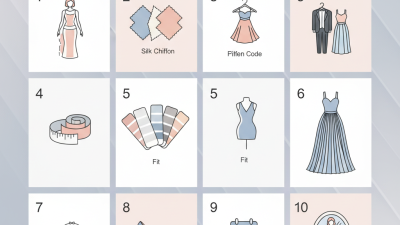
China’s pleated suit dress supplier market is organized as a production chain, not a single factory type. Fabric mills and wholesalers provide woven materials, linings, and trims. Specialized workshops create pleats, while garment factories cut, sew, and finish each dress. Some suppliers coordinate the full process; others handle only one stage. That distinction matters.
A buyer may work directly with a factory or through a sourcing office that coordinates sampling, production, and export paperwork. Direct contact can make technical discussions clearer, but it also means tracking more production steps. Ask who controls pleating and where fabric is inspected. Request a sample showing the actual fabric, lining, closure, and hem finish. Small details show up fast.
Pleated fabric needs careful handling. Pressing can flatten folds, and fabric may shift or shrink between sampling and bulk production. Confirm finished measurements, pleat direction, and care instructions before approving a sample. Details vary. Minimum order quantities and lead times depend on fabric availability, construction, and factory capacity, so treat estimates as provisional. A practical supplier review includes a written specification, sample approval, and in-process checks. It is easy to focus on price and miss consistency between the approved sample and packed garments.
China Top Pleated Suit Dress Suppliers?
A reliable supplier should prove that a pleated suit dress can be repeated consistently, not just photographed well. Request a pre-production sample and check pleat alignment, seam strength, lining, button placement, and fit across several sizes. Ask for fabric composition, weight, shrinkage, and colorfastness test results. For pleats, agree on a wash-and-recovery test before placing a bulk order. Small details matter.
Textile Exchange’s Materials Market Report 2024 estimates global fiber production reached 124 million tonnes in 2023, with polyester making up about 57%. This scale makes material traceability and batch consistency important questions for apparel buyers. Ask suppliers to identify fabric mills and show how they match production lots to approved samples. Verify certificates with their issuers, and check that each certificate covers the actual factory and process. Paperwork can look perfect. Treat it as a clue, not proof.
Check capacity using recent production records, realistic lead times, and a small pilot order. Request dated inspection photos or arrange an independent inspection against written tolerances. The World Bank’s 2023 Logistics Performance Index gave China a score of 3.7 out of 5; this reflects national logistics, not factory reliability. A supplier’s own packing accuracy and shipping history still need checking. I would not skip that step, even when the sample looks excellent.
A pleated suit dress can look excellent on a hanger and behave differently when worn. Request samples in the intended fabric, not a similar substitute. Check pleat spacing, lining coverage, seam finish, and zipper movement. Try the dress sitting, walking, and raising both arms. A quick wash test can reveal whether the pleats recover as expected. Record measurements across several sizes, since one sample cannot confirm a full size run. Still, a polished sample is only a starting point.
Compare quotes line by line. Ask what the price includes: fabric, lining, trims, labels, packing, and sample fees. Confirm minimum order quantities, payment stages, and charges for design changes. A lower unit price may exclude important details. Put the agreed fabric composition, measurements, and pleat specifications in writing. Small omissions can become costly later.
Production capability matters as much as price. Ask how many dresses the supplier can make weekly, what lead time applies during busy periods, and how quality checks are handled. Request photos or records of measurement checks and finished-garment inspections. If possible, visit the facility or arrange an independent assessment. Be candid about uncertainties: delivery estimates can shift when fabric arrives late, and no sample guarantees every production piece will match perfectly. Build time for a pre-production sample and a final inspection into the schedule.
| Comparison Dimension | Low-Volume Workshop Benchmark Profile |
Mid-Scale Factory Benchmark Profile |
High-Volume Factory Benchmark Profile |
Evidence to Request |
|---|---|---|---|---|
| Typical MOQ per style and color | 50–150 pieces | 200–500 pieces | 500–1,500+ pieces | Written MOQ by style, color, size ratio, and fabric type |
| Sample development lead time | 7–14 calendar days | 10–20 calendar days | 14–30 calendar days | Sample timeline covering pattern making, pleating, sewing, finishing, and revisions |
| Bulk production lead time | 20–35 calendar days | 25–45 calendar days | 35–60 calendar days | Confirmed production schedule after fabric, trims, and approved sample are available |
| Indicative FOB price for a pleated suit dress | US$12–22 per piece | US$15–28 per piece | US$18–35+ per piece | Comparable quotation based on the same fabric, construction, quantity, packaging, and Incoterm |
| Fabric options commonly available | Polyester, rayon, and basic blended fabrics | Polyester, rayon, spandex blends, satin, and crepe | Wider sourcing options, including recycled polyester and customized blends | Fabric composition, GSM, width, shrinkage, colorfastness, and test reports |
| Common fabric weight range | 100–180 GSM | 120–220 GSM | 140–280 GSM, subject to design and season | Actual GSM report or pre-production fabric swatch from the proposed mill |
| Pleating capabilities | Basic knife, accordion, or permanent pleats | Knife, accordion, sunray, box, and mixed pleat structures | Multiple pleat widths, engineered panels, custom patterns, and repeat control | Pleat width tolerance, heat-setting method, recovery after washing, and sample close-ups |
| Pleat dimensional tolerance | Typically checked manually; tolerance must be agreed in writing | Usually controlled through templates and in-line inspection | Often supported by standardized templates, technical specifications, and batch records | Approved measurement chart showing pleat width and garment measurement tolerances |
| Size range | Usually XS–XL; extended sizes may require a surcharge | Usually XS–3XL with graded patterns | Usually XS–5XL or custom size sets, depending on order volume | Graded measurement chart, tolerance table, and fit sample in the target size range |
| Pattern and technical support | Basic pattern adjustment and sample correction | Pattern grading, tech-pack review, and construction recommendations | Full technical development, digital pattern systems, and multi-size grading | Pattern ownership terms, revision process, tech-pack checklist, and approval workflow |
| Quality-control checkpoints | Final visual inspection and basic measurement checking | Incoming-material, in-line, and final inspections | Documented incoming, in-line, pre-final, final, and packing inspections | Inspection checklist, acceptable quality limit, defect classification, and inspection report |
| Critical quality points for pleated dresses | Uneven pleats, loose threads, seam puckering, and incorrect measurements | Pleat recovery, zipper performance, lining attachment, shade consistency, and pressing quality | All listed points plus batch-to-batch consistency, wash testing, and packing compression control | Defect photos, test results, corrective-action records, and random finished-garment samples |
| Wash and colorfastness testing | May be arranged through an external laboratory | Usually available upon request or through a third-party laboratory | More likely to maintain routine test procedures and documented reports | Reports for dimensional stability, colorfastness to washing and rubbing, and pleat recovery |
| Production capacity planning | Best suited to small orders and frequent style changes | Suitable for recurring seasonal orders and moderate volume | Suitable for larger programs, repeat orders, and multiple colorways | Monthly capacity, current order load, line allocation, and confirmed delivery calendar |
| Customization flexibility | High flexibility for simple design changes; limited fabric development | Good flexibility for patterns, trims, labels, and selected fabric options | Strong capability for custom fabrics, engineered pleats, packaging, and private-label requirements | Written list of supported customizations, related costs, and minimum quantities |
| Packaging options | Individual polybags and standard export cartons | Custom labels, size stickers, tissue paper, and carton markings | Retail-ready packaging, barcode labels, customized cartons, and shipment documentation | Packing specification, carton dimensions, net/gross weight, and compression protection for pleats |
| Payment structure to compare | Commonly requires a deposit before material purchasing | Deposit and balance schedule linked to production or inspection milestones | May offer structured milestone payments for larger confirmed programs | Pro forma invoice showing deposit, balance, sampling fees, testing fees, and refund conditions |
| Best-fit purchasing scenario | Small trial order, emerging collection, or frequent design changes | Balanced option for quality, customization, and repeat production | Large-volume program requiring delivery control and standardized quality systems | Choose according to order size, required complexity, launch date, and quality risk |
| Recommended sample evaluation score | Score separately for appearance, fit, pleat recovery, workmanship, and measurement accuracy | Use a weighted scorecard before approving bulk production | Require a pre-production sample and a sealed reference sample for final inspection | Signed sample approval sheet with photos, measurements, fabric details, and revision history |
A reliable pleated suit dress supplier must prove quality beyond attractive samples. Check pleat spacing after pressing, seam strength, lining attachment, and color consistency under daylight. Measure chest, waist, hem, and sleeve points across several sizes. A single approved sample is not enough. Use ISO 2859-1 sampling methods and agree on an acceptable quality limit before production. Inspectors should photograph defects, not merely record pass or fail.
Compliance needs equal attention. Request recent test reports for fiber content, colorfastness, azo dyes, formaldehyde, and nickel components. Requirements change by destination, so map the product against applicable textile labeling and chemical rules. The OECD due diligence guidance supports documented supply-chain checks, including subcontractor visibility and worker-safety controls. Paperwork can look complete while factory practices remain unclear. That gap deserves a second inspection.
Shipping is also a quality issue. UNCTAD’s Review of Maritime Transport reports that over 80% of global merchandise trade by volume moves by sea. Protect pleats with tissue layers, dry packaging, and carton compression tests. Confirm carton dimensions, gross weight, shipping marks, packing lists, and booking deadlines. Add a realistic buffer for port congestion. A perfect pre-shipment report can still fail after humidity, pressure, or delays. Suppliers should explain their corrective-action process, because mistakes happen, and vague promises are not control.
Use this reference allocation when comparing suppliers: quality control covers garment construction and final inspection, compliance covers material safety and documentation, and shipping covers lead-time reliability, packaging, and export readiness.