What are Pleated Style Dresses and How to Choose Them?
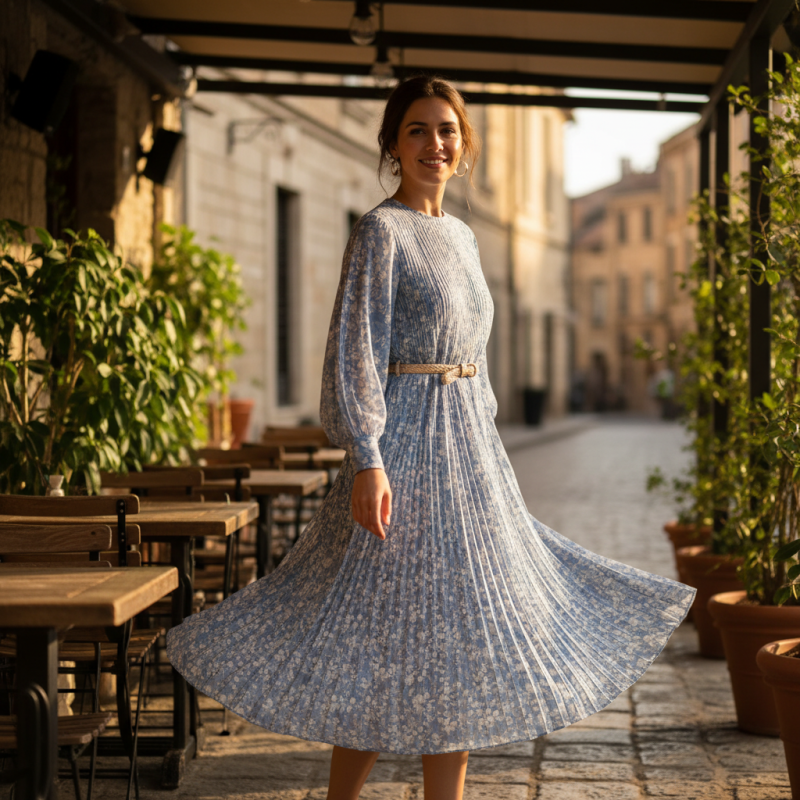
Pleated Style Dresses are a unique and versatile addition to any wardrobe. These dresses feature elegant folds that create texture and movement. They can be dressed up or down, making them suitable for various occasions. Many people appreciate how pleats can flatter different body shapes.
When choosing Pleated Style Dresses, several factors should be considered. The fabric is essential; lightweight materials often drape better and enhance the pleat designs. Color and pattern also play a significant role in how the dress is perceived. A bold print can add vibrancy, while solid colors offer a classic look.
Reflecting on the selection process is crucial. Sometimes, we may overlook comfort in favor of style. It's vital to ensure that your dress not only looks good but feels good too. With the right approach, Pleated Style Dresses can become a staple in your fashion choices.
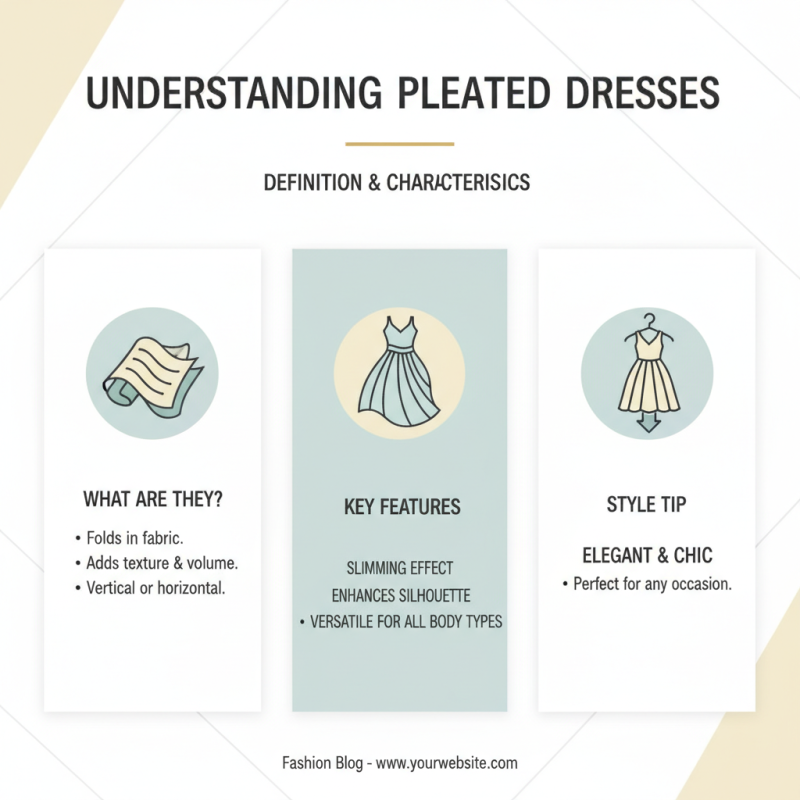
Understanding Pleated Style Dresses: Definition and Characteristics
Pleated style dresses are a unique fashion choice. They are characterized by folds or pleats in the fabric, adding texture and volume. These pleats can run vertically or horizontally, depending on the design. They create a slimming effect and can enhance your silhouette, making them suitable for various body types.
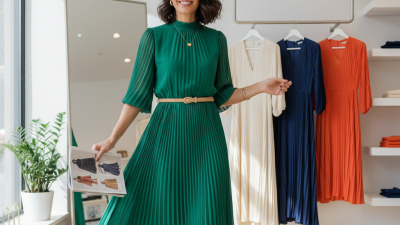
Selecting a pleated dress involves understanding your body shape. A-line styles flatter hips, while fitted waistlines accentuate curves. The fabric choice is crucial. Light materials create a softer flow, while sturdier fabrics hold their shape better. Consider the occasion and choose colors that reflect your personal style. Remember that not all pleats are equal; some may add bulk, which can be unflattering.
It's also essential to try on different styles. You might find that a dress you expected to love doesn’t suit you as planned. Pay attention to how the pleats fall when you move. A well-fitting dress should allow freedom of movement. Some pleated dresses may feel restrictive if the fit is wrong, leading to uncomfortable experiences. Always opt for what makes you feel confident.
The History and Evolution of Pleated Dress Styles
Pleated dresses have a rich history that reflects changes in fashion trends over centuries. Initially, pleats were used for functionality. Ancient garments in Egypt and Greece featured pleating to enhance movement. The technique allowed wearers to walk freely in draped fabrics. As time progressed, pleats became a symbol of elegance.
In the 20th century, pleated styles evolved further, especially during the flapper era. Dresses had more playful silhouettes, as pleats added volume and flair. Designers experimented with various fabrics, creating intricate designs. The 1950s popularized full skirts with crisp pleats, emphasizing the feminine form. Women embraced these styles in the post-war era to express newfound freedom.
Yet, choosing a pleated dress can be challenging. The right fit is crucial; an ill-fitting pleat can look awkward. Fabric choice also impacts style. Flowing materials complement soft pleats, while stiffer fabrics create structured looks. It's essential to consider body shape. Certain pleat placements can enhance or diminish features. Reflecting on personal style preferences can guide your choice effectively.
Different Types of Pleating Techniques Used in Fashion
Pleated style dresses are a fascinating blend of tradition and modernity. Among the various pleating techniques, knife pleats and box pleats are the most popular. Knife pleats create a streamlined look, while box pleats add volume and texture. According to industry research, knife pleats make up 40% of pleated garments in current fashion trends.
It's essential to consider fabric choices when selecting pleated dresses. Lightweight materials like chiffon or georgette tend to drape beautifully with pleats. Heavier fabrics, such as taffeta, can create a structured silhouette. However, some may find that heavy fabrics can limit movement, making comfort a crucial factor. The right fabric can enhance the dress's overall appeal, leading to a polished look.
Another aspect to think about is the purpose of the dress. Formal events often call for certain pleating techniques, while casual styles may allow more freedom. It's important to balance style and function. Choosing the wrong pleat type can result in an unflattering appearance. Many designers suggest that understanding one’s body shape can guide selections, ensuring the chosen dress enhances natural features rather than obscures them.
How to Choose the Right Pleated Dress for Your Body Type
When choosing a pleated dress, your body type plays a crucial role. A-line styles flatter many figures. They gently take shape around the waist, allowing for comfort and movement. If you have a curvier figure, look for dresses that accentuate the waist. A fitted bodice can enhance your natural curves while the pleats provide a beautiful drape.
For those with a rectangular body shape, consider pleats that create volume. A dress with side pleats can add dimension and shape. Look for options that cinch at the waist. This can create an hourglass illusion. If you're petite, choose shorter lengths with finer pleats. This style can add height without overwhelming your frame.
Don't rush the decision. Trying different styles can reveal surprising preferences. Pay attention to how the fabric moves and feels against your skin. Ensure the dress doesn't pull in areas you’d prefer to conceal. Sometimes what looks good on the hanger may not have the same effect when worn. Reflect on how you carry yourself in the dress. Confidence is key when choosing the perfect pleated style.
Styling Tips for Wearing Pleated Dresses on Various Occasions
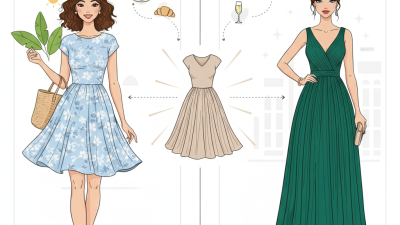
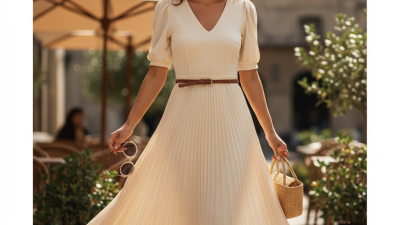
Pleated style dresses are versatile and elegant. They can be worn on various occasions with the right styling tips. For a casual outing, opt for light, flowy fabrics. Bright colors and playful patterns work well here. Pair them with flat sandals or sneakers for comfort. Add minimal accessories to keep the look effortless yet chic.
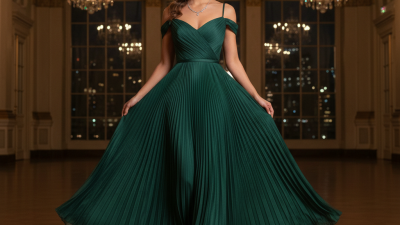
For formal events, go for darker tones and structured pleats. Consider fabric like chiffon or silk that drapes nicely. Heels elevate the outfit, giving it a polished finish. Statement jewelry can enhance the overall elegance. It’s essential to keep the balance between bold accessories and the dress's features.
Remember that choosing the right size is crucial. A too-tight or loose dress can compromise your look and comfort. Reflect on your body shape and choose flattering cuts. Not every pleated dress suits every occasion. Experimenting will be key to finding your perfect fit.
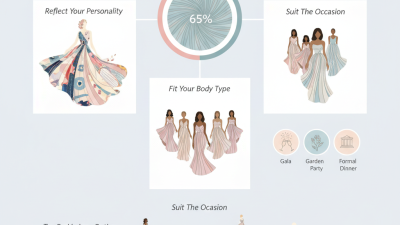
Pleated Style Dresses Popularity by Occasion