What Is a Pleated Strapless Dress?
A Pleated Strapless Dress combines a neckline that sits without shoulder straps with fabric arranged in folds. Those pleats may be stitched in place, softly gathered, or pressed into more structured lines. The exact design varies, so the name alone does not tell you how supportive or fitted the dress will feel. Look closely at the bodice, seams, and fabric before deciding whether a particular style suits you.
The pleats shape the dress and add texture. At the waist, they can create gentle volume; across the skirt, they may fall in narrow rows or open into fuller folds. A firm bodice often helps the dress stay in place, while lining and internal construction can affect comfort and support. Details matter. Check product measurements and care instructions, since delicate pleating may need careful handling, and fabric weight can change how the skirt moves. If possible, try sitting, walking, and lifting your arms in the dress. A strapless neckline that looks secure on a hanger may shift with movement. That can be frustrating, and not every fit issue has an easy fix. The following guide explains common pleat styles, fabrics, fit considerations, and occasions, so you can judge the dress by its construction rather than its label alone.
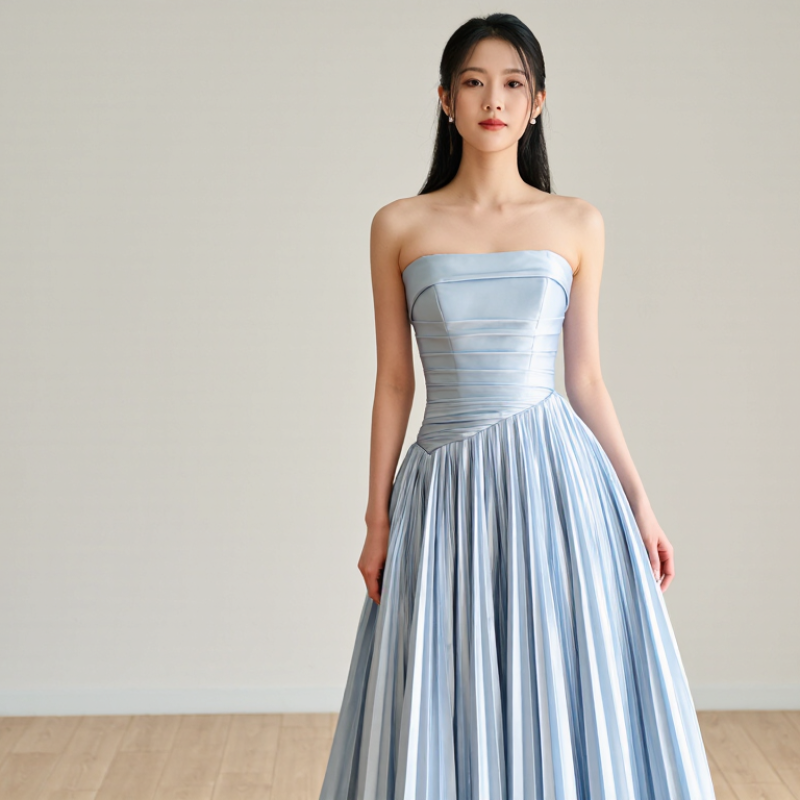
Definition and Silhouette of a Pleated Strapless Dress
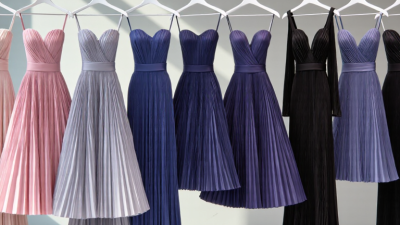
A pleated strapless dress combines a neckline that sits across the chest with fabric folds arranged into pleats. The neckline leaves the shoulders bare, while the pleats add texture and shape. Some are pressed into crisp, even lines. Others fall more softly from the bodice or waist.
The silhouette depends on where the pleats begin and how the skirt is cut. Pleats fitted close at the waist can create a defined shape, while fuller pleats allow more movement through the skirt. The result may look structured or relaxed. Fabric matters, too: lightweight cloth tends to sway, while heavier material usually holds sharper folds. A small detail can change the whole impression. Even the pleat spacing matters.
Tips: Check that the bodice feels secure when you move and sit. Look at the pleats from the side as well as the front. They may not hang evenly on every body, and that is worth considering before choosing a fit.
What Is a Pleated Strapless Dress? — Definition and Silhouette
| Feature |
Description |
Effect on the Dress |
| Definition |
A pleated strapless dress is a dress with no shoulder straps or sleeves and fabric folds arranged in repeated lines or sections. |
Combines an open neckline with texture and movement created by the pleats. |
| Neckline |
The upper edge sits across or around the bust. Common shapes include straight, sweetheart, and softly curved necklines. |
Leaves the shoulders and neckline uncovered; the exact shape influences the overall look. |
| Pleat Types |
Knife pleats fold in one direction; box pleats turn in opposite directions; sunburst pleats spread outward from a narrow point. |
Pleat direction and spacing affect the fabric’s texture, volume, and drape. |
| Bodice Structure |
The bodice may use lining, internal boning, or a fitted band to help support the strapless shape. Construction varies by design. |
A secure fit depends on the garment’s structure and correct sizing, not on pleats alone. |
| Common Silhouettes |
Styles may be fitted through the body, A-line, or full-skirted. Pleats can appear on the bodice, skirt, or both. |
The silhouette describes the dress’s overall outline, while pleating describes its folded fabric detail. |
| Fabric and Drape |
Fabric weight, stiffness, and weave affect how sharply pleats hold their shape and how the skirt hangs. |
Structured fabrics generally create more defined folds; softer fabrics tend to drape more fluidly. |
| Fit Considerations |
The bodice should sit securely without restricting breathing, and the neckline should remain in place during normal movement. |
Trying the dress on and checking its fit while moving can help assess comfort and support. |
| Care |
Care requirements depend on the fabric and construction. The garment’s care label provides the appropriate cleaning and pressing instructions. |
Following the label helps preserve the fabric and the shape of the pleats. |
Pleat Types and Their Effects on Fabric Volume
A pleated strapless dress combines a fitted, unsupported neckline with folded fabric that shapes the skirt or bodice. Pleats are not just decoration. Their depth, direction, and spacing affect how much fabric stands away from the body. A narrow pleat may add texture with little bulk. A deep fold can create a fuller silhouette.
Knife pleats turn in one direction, producing tidy, repeated lines and fairly even volume. Box pleats fold in opposite directions, so they often look broader and hold more space. Accordion pleats open into many small ridges; lightweight fabric makes them sway, while heavier cloth can feel dense. Sunburst pleats spread from a narrow point, concentrating fullness near the waist or hip. Small differences matter.
Fabric changes the result. Crisp cotton or taffeta tends to keep folds defined, while chiffon and soft satin usually fall closer to the body. A lining can add weight and reduce movement, though it may also smooth the pleat shape. There is no perfect rule: two fabrics cut in the same pattern can hang differently. In a strapless design, concentrated skirt volume may also make the bodice feel visually smaller. Check how the folds behave when the wearer sits and walks, not only when the dress hangs still. A fitting-room mirror can miss that movement.
Strapless Bodice Construction: ASTM D6193 Stitch and Seam Classes
A pleated strapless dress depends on more than a clean outer finish. Its bodice must hold its shape while the wearer moves. ASTM D6193 provides a framework for identifying stitch types and seam constructions, helping a maker describe how pieces are joined. A seam class concerns the arrangement of fabric layers; a stitch class describes how the thread forms the stitch. They are related, but they are not interchangeable.
Class 300 lockstitch is commonly used for stable bodice seams. Class 400 chainstitch can offer flexibility, while class 500 overedge stitches can neaten raw edges. The right choice depends on the fabric, lining, and load at each seam. For example, a firm stitch may suit a boning channel, while the pleated shell may need careful handling to avoid puckering. Small details matter. At the top edge, test the shell, lining, and any stay together; a sample that looks smooth flat can roll or gape when worn. ASTM classifications support clear specifications, but they do not guarantee fit or durability by themselves. A real fabric test is still essential—and sometimes the first sample needs reworking.
What Is a Pleated Strapless Dress?
Strapless Bodice Construction: ASTM D6193 Stitch Class Reference
How to read this chart: The columns show stitch-class codes, not strength, quality, or suitability rankings. ASTM D6193 classifies stitch formations; the appropriate stitch and seam for a pleated strapless bodice depend on the fabric, seam design, and construction requirements.
Fabric Strength: ISO 13934-1 Tensile-Testing Measures
What Is a Pleated Strapless Dress? Fabric Strength: ISO 13934-1 Tensile-Testing Measures
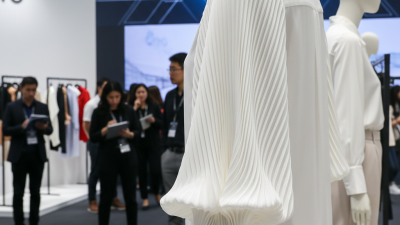
A pleated strapless dress relies on fabric that can hold its shape while moving with the wearer. ISO 13934-1 evaluates textile tensile properties using a strip method: a fabric specimen is pulled until it reaches a specified endpoint. The test records force and elongation, helping show how the material responds under tension. Small differences matter. Results can vary between lengthwise and crosswise fabric directions, so both are worth checking.
For a dress bodice, these measurements offer useful evidence when comparing fabric options. A material with suitable tensile strength may better resist stretching during wear, but the result does not guarantee a secure fit. The test evaluates fabric, not the complete garment. It does not assess seam strength, pleat stability, or how a strapless bodice stays in place. Those details need separate evaluation, ideally with samples sewn and worn in realistic conditions. Test both directions.
Tips: Ask for test results that identify the fabric direction and testing conditions. Compare samples from the same production batch when possible. A lab figure is helpful, not the whole story; a small fitting trial can reveal issues the tensile test misses.
Care and Washability: ISO 6330 Domestic-Washing Procedures
A pleated strapless dress can look simple on a hanger, but its folds depend on fabric, stitching, and sometimes internal support. Washing may relax pleats or shift the bodice’s shape. Small details matter.
ISO 6330 describes standardized domestic washing and drying procedures used to assess textile performance. A test can specify factors such as washing conditions, detergent, and drying method, helping laboratories compare results consistently. It does not automatically mean every pleated dress is safe to machine-wash. The garment’s care label and construction still matter.
For a careful assessment, test a representative garment or fabric sample under the intended procedure, then inspect pleat definition, seams, lining, and bodice fit after drying. A few folds may soften even when the fabric shows little shrinkage. That distinction is easy to miss. If the label permits washing, use its stated settings rather than assuming an ISO test result applies to your dress. When the care instructions are unclear, gentle hand cleaning may seem safer, but even that can affect delicate pleats or bonded layers. Textile testing reduces guesswork; it cannot remove it.