10 Essential Tips for Sourcing Handmade Pleated Blouses?
Sourcing a Handmade Pleated Blouse can feel overwhelming. The unique charm of these garments deserves attention and care. A handmade blouse offers distinct aesthetics, but its sourcing demands expertise.
Understanding fabric types is crucial. Not all fabrics lend themselves to pleating. Consider the craftsmanship behind each piece as well. Quality varies, and not every artisan provides the same level of detail. Take time to explore different artisans. This exploration will deepen your appreciation for their work.
Mistakes can happen during sourcing. You may receive items that don’t meet your expectations. Reflect on these experiences. They can guide your future sourcing decisions. Don’t rush; the right Handmade Pleated Blouse is worth the wait. Focus on building trust with makers to ensure reliability.
Essential Characteristics of Handmade Pleated Blouses in Fashion Industry
Handmade pleated blouses are gaining traction in the fashion industry. They combine craftsmanship with unique design elements. The intricate pleating technique creates a distinct texture. According to the Fashion Institute of Technology, there’s a rising demand for sustainable and artisanal clothing. This trend is fueled by consumers seeking individuality and quality.
Essential characteristics of these blouses include the quality of materials. Natural fibers like cotton and silk are preferred. They not only offer comfort but also showcase the pleats effectively. Studies show that garments made from eco-friendly materials tend to have higher sale rates. A report by McKinsey & Company highlighted that 67% of consumers are more likely to purchase sustainable products.
However, challenges persist in sourcing these items. Finding skilled artisans can be difficult. Limited production capabilities may affect availability. Not all suppliers uphold the same standards of quality. As the market grows, transparency in sourcing becomes critical. Understanding these characteristics is vital for making informed choices in sourcing handmade pleated blouses.
Understanding Fabrics: Choosing the Right Material for Pleated Blouses
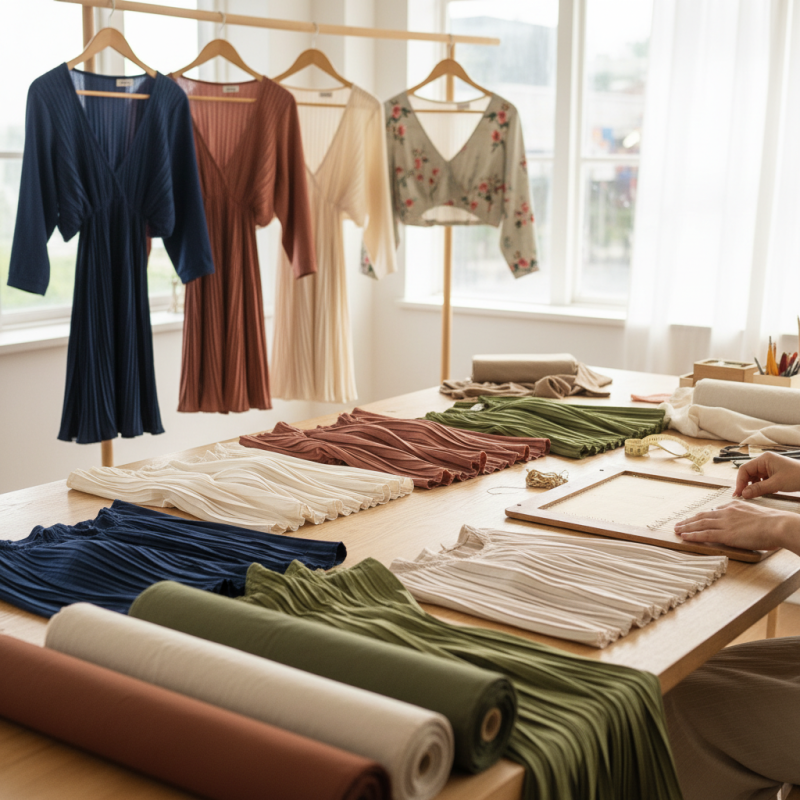
When sourcing handmade pleated blouses, understanding fabrics is crucial. The right material greatly impacts the drape and style of pleats. Cotton blends are versatile and breathable, making them ideal for everyday wear. Linen offers a textured look but may wrinkle easily. Silk lends luxury, but it requires careful handling.
Tip: Before committing to fabric, test its durability. Pull and stretch it a bit. This helps ensure it holds up through multiple washes. Some fabrics may appear beautiful but might not withstand regular use.
Consider the weight of the fabric too. Heavier materials are excellent for structured designs. They maintain pleats better but may be too warm for summer. Lighter fabrics flow beautifully but can lack structure. Reflect on what you want the blouse to achieve before choosing a weight.
Quality matters in fabric selection. Flimsy materials can diminish the overall look. Always check for fraying edges or uneven stitching. These details reflect the craftsmanship. Disappointment often stems from overlooking these checks. Each choice shapes the final product significantly.
Identifying Reliable Sources: Craftsmanship and Ethical Production Standards
When sourcing handmade pleated blouses, identifying reliable suppliers is crucial. Craftsmanship and ethical production standards impact not only quality but also brand reputation. According to a recent report by the Ethical Fashion Forum, 67% of consumers prioritize buying from brands that uphold ethical practices. This emphasizes the importance of partnering with artisans who exhibit both skill and integrity.
Look for suppliers who openly share their production processes. Transparency builds trust and shows a commitment to ethical standards. For instance, in a survey by Fashion Revolution, 83% of respondents stated they want to know where their clothing comes from. Ensure that the artisans you engage with prioritize fair wages and safe working conditions. This information can often be verified through certifications, but not all artisans may have formal recognition yet.
Consider the materials used in these blouses as well. Sustainable fabrics are becoming increasingly popular, with the Global Fashion Agenda reporting a 25% increase in demand for eco-friendly textiles. However, not all suppliers are aware of sustainable practices. It’s essential to communicate your values and educate your sources on the importance of ethical production. This can lead to a stronger partnership and better-quality products, though it may take time and effort to forge these connections.
Market Trends: Analyzing Demand for Handmade Clothing in Retail
The handmade clothing market is witnessing a surge. Consumers are increasingly drawn to unique, artisanal pieces. This trend reflects a desire for individuality in fashion. Handmade pleated blouses fit perfectly within this niche. They offer a blend of style and culture that mass-produced items cannot match.
Analyzing demand, we see a focus on sustainability. Buyers are looking for eco-friendly materials and ethical production methods. Handcrafters can leverage this interest. Younger demographics, in particular, seek items that tell a story. They value craftsmanship and authenticity. However, the competition is fierce. It's vital to communicate the unique aspects of each piece clearly.
Demand fluctuates based on various factors. Seasonal trends often influence preferences. Color palettes and styles that resonate today may change tomorrow. It's essential to stay adaptable and continuously engage with your audience. Customer feedback can guide adjustments. Creating limited edition runs can also enhance exclusivity. Balancing creativity with market needs requires constant reflection. Embrace the imperfections and adapt accordingly.
Pricing Strategies: Evaluating Costs and Value of Handmade Pleated Blouses
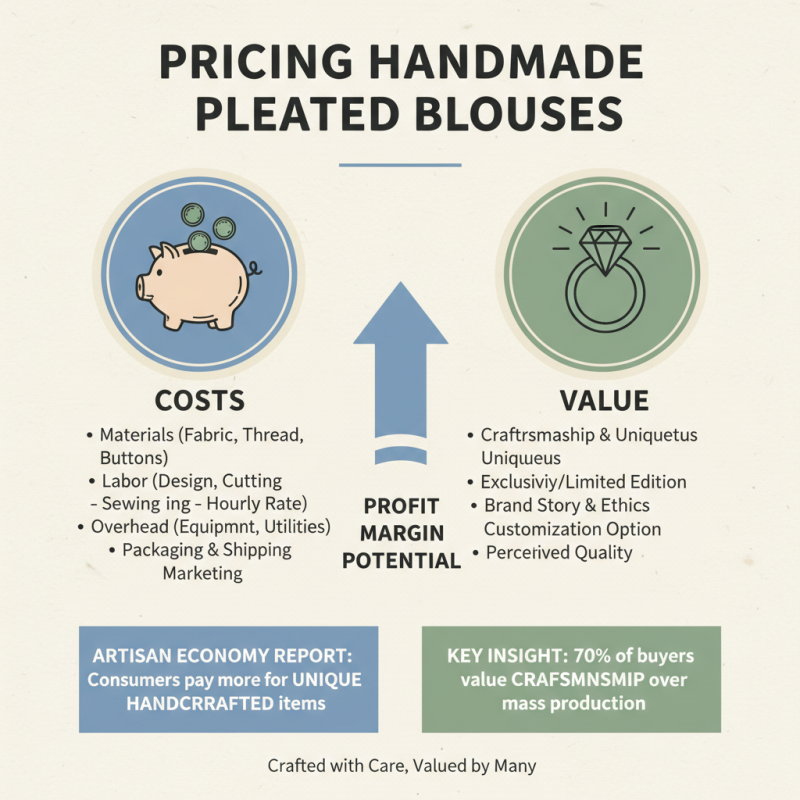
Pricing handmade pleated blouses requires a keen understanding of costs and perceived value. The Artisan Economy Report indicates that consumers are willing to pay more for unique, handcrafted items. In fact, 70% of buyers value craftsmanship over mass production. This highlights the potential profit margins in the handmade market.
To set an effective pricing strategy, consider all material costs. This should include fabric, thread, and any embellishments. Labor costs also play a crucial role. A recent survey from Craft Industry Alliance states that handmade businesses should charge at least three times the cost of materials to account for labor and overhead. Markup can vary based on brand visibility and market demand. Balancing quality and cost can be tricky, often leading to self-reflection on pricing strategies and their impact on sales.
Pricing does not exist in a vacuum. Market trends change frequently. Analyzing competitors can provide insights into pricing gaps. However, pricing too low can undervalue the artistry involved. The delicate balance between affordability and premium offerings requires ongoing assessment and adaptability.